
Pajeon
In its own language: 파전
Korean savoury pancake with scallions and a light, crisp texture
Pajeon is a Korean pancake where scallions are the main feature, set in a thin batter. The batter is made with eggs, wheat flour, rice flour, and water, and often includes seafood, beef, pork, or kimchi. It is cooked in a pan until golden and served with a soy-based dipping sauce. Pajeon is enjoyed as a snack or side dish, and has several regional and ingredient-based variations.
- Scallions are the main ingredient and are left visible in the pancake
- Batter is thin and pourable, giving a lighter texture than Chinese scallion pancakes
- Seafood, beef, pork, or kimchi are often added
- Dongnae pajeon is a famous regional style from Busan
- Served with a soy-based dipping sauce
What is Pajeon?
Pajeon is a savoury pancake from Korea, best recognized by the long scallions that cover its surface. The batter, which is thin and pourable, holds together a mix of scallions and sometimes other fillings such as seafood, beef, pork, or kimchi. When cooked, the pancake is golden and crisp at the edges, with the scallions giving it a mild onion flavor. It is usually sliced into pieces for sharing and served with a dipping sauce based on soy sauce and vinegar.
Where does Pajeon come from?
The name 'pajeon' comes from 'pa', meaning scallion in Korean, and 'jeon', a term for pan-fried battered foods. This dish is part of the broader family of jeon, which are Korean pancakes with various fillings. One well-known version, Dongnae pajeon, is linked to the Dongnaeeupseong fortress in Busan and is said to have been created to celebrate a local victory in the Imjin War. Over time, pajeon became a common dish at markets and even appeared at royal tables.
How is Pajeon made?
To prepare pajeon, scallions are arranged in a hot, oiled pan, often left whole or in long pieces. A thin batter is poured over the scallions, sometimes with added seafood, meat, or kimchi. The pancake is fried until the bottom is set and golden, then flipped to cook the other side. It is typically served hot, with a dipping sauce made from soy sauce, vinegar, and sesame oil.

![A plate of Dongnae pajeon , a Busan -style pancake made with whole scallions, sliced chili pepper, chopped seafood and wheat flour batter, served at a restaurant in [Gyeongju], North Gyeongsang province , South Korea It](https://thumb.wikimedia.org/wikipedia/commons/thumb/0/0c/Korean_pan_cake-Dongnae_pajeon-01.jpg/960px-Korean_pan_cake-Dongnae_pajeon-01.jpg)


How and when is Pajeon eaten?
Pajeon is eaten hot, often as a snack, appetizer, or side dish during lunch or dinner. It is commonly shared at the table, cut into squares or strips. The pancake is dipped into a tangy sauce before eating. Pajeon is enjoyed both at home and in restaurants, and is popular with drinks or as comfort food on rainy days.
Kinds of Pajeon
There are several types of pajeon. Haemul pajeon includes seafood such as squid, oysters, shrimp, or clams. Dongnae pajeon, from Busan, uses a mix of seafood and beef, and sometimes adds gochujang (chili paste). Some versions keep the scallions whole, while others chop them and mix them into the batter. The choice of fillings and batter ingredients can vary by region and personal taste.
What Pajeon means
Pajeon is a familiar part of Korean meals and gatherings, often enjoyed with friends or family. It is especially popular in markets and street stalls. The Dongnae version carries historical meaning, tied to local pride and legend. Pajeon is also compared to similar pancakes in other Asian cuisines, but its use of a liquid batter and visible scallions set it apart.
Questions people ask about Pajeon
What is pajeon made of?
Pajeon is made with a thin batter of eggs, wheat flour, rice flour, and water, with scallions as the main ingredient. Seafood, beef, pork, or kimchi are often included as well.
Where does pajeon come from?
Pajeon is a traditional Korean dish. One famous version, Dongnae pajeon, comes from the Busan region and is linked to local history.
How is pajeon different from Chinese scallion pancakes?
Unlike Chinese scallion pancakes, which use a dough, pajeon is made with a liquid batter. This gives it a lighter, crispier texture.
When is pajeon usually eaten?
Pajeon is eaten hot, often as a snack, appetizer, or side dish during lunch or dinner. It is also popular with drinks.
What are common fillings in pajeon?
Besides scallions, pajeon may include seafood like squid or oysters, beef, pork, or kimchi, depending on the variety.
Good reading and sources
The facts on this page come from the Wikipedia article "Pajeon", written by its contributors and used under the CC BY-SA 4.0 licence, and from its Wikidata record (CC0). Thali rewrote the text in its own words, with AI assistance, and compares every page with the article to make sure no passage is copied. It may be reused under the same CC BY-SA 4.0 licence with a link back.
It may contain mistakes, and it is not dietary or allergy advice: recipes differ from cook to cook. If something is wrong, tell us. Last refreshed 2026-10-03.
More from South Korea
All the food of South Korea KabochaVeganカボチャ
🇯🇵 Japan and 5 moreA sweet, dense winter squash with edible skin, used in Japanese and Asian cooking
Main dish, Lunch, Dinner
KabochaVeganカボチャ
🇯🇵 Japan and 5 moreA sweet, dense winter squash with edible skin, used in Japanese and Asian cooking
Main dish, Lunch, Dinner
 Bibimbap비빔밥
🇰🇷 South Korea and 1 moreKorean rice bowl with mixed vegetables, meat, egg and chili paste
Main dish, Lunch, Dinner
Bibimbap비빔밥
🇰🇷 South Korea and 1 moreKorean rice bowl with mixed vegetables, meat, egg and chili paste
Main dish, Lunch, Dinner
 Udonうどん / 饂飩
🇯🇵 Japan and 4 moreThick wheat noodles served hot or cold in Japanese cooking
Noodle or pasta dish, Lunch, Dinner
Udonうどん / 饂飩
🇯🇵 Japan and 4 moreThick wheat noodles served hot or cold in Japanese cooking
Noodle or pasta dish, Lunch, Dinner
Its cousins elsewhere
All main dishes Pasta
🇮🇹 Italy and 1 moreUnleavened dough shaped and cooked, a staple of Italian cuisine
Main dish, Lunch, Dinner
Pasta
🇮🇹 Italy and 1 moreUnleavened dough shaped and cooked, a staple of Italian cuisine
Main dish, Lunch, Dinner
 AspicMeat
🇫🇷 France and 5 moreMeat or fish set in savoury gelatin, served cold as an appetizer or festive dish
Main dish, Lunch, Dinner
AspicMeat
🇫🇷 France and 5 moreMeat or fish set in savoury gelatin, served cold as an appetizer or festive dish
Main dish, Lunch, Dinner
 Arroz chaufa
🇵🇪 PeruPeruvian fried rice with meat, egg, vegetables and soy sauce
Main dish, Lunch, Dinner
Arroz chaufa
🇵🇪 PeruPeruvian fried rice with meat, egg, vegetables and soy sauce
Main dish, Lunch, Dinner
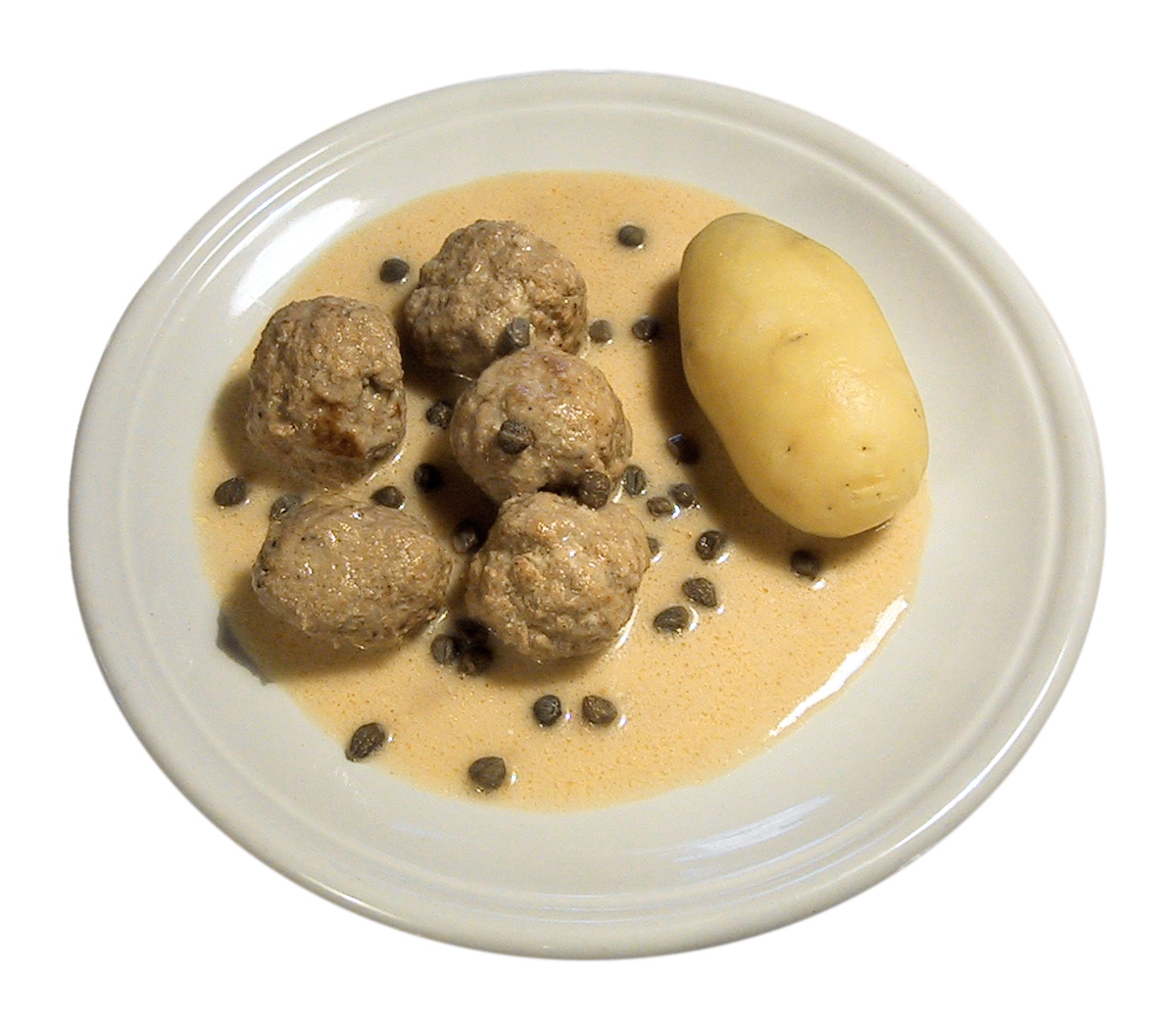 Königsberger KlopseMeat
🇩🇪 Germany and 1 moreGerman meatballs in a creamy white sauce with capers
Main dish, Lunch, Dinner
Königsberger KlopseMeat
🇩🇪 Germany and 1 moreGerman meatballs in a creamy white sauce with capers
Main dish, Lunch, Dinner