
Pé de moleque
Brazilian sweet made with peanuts and unrefined sugar
Pé de moleque is a traditional Brazilian sweet from São Paulo, made by combining peanuts with rapadura (a solid form of unrefined cane sugar) or molasses. This treat is common in rural cooking and is also found in Minas Gerais and Paraná. It is especially popular during June festivals in Brazil and has a version made as a cake in the Northeast.
- Made with roasted peanuts and rapadura or molasses
- Originated in São Paulo in the 16th century
- Soft texture, unlike typical peanut brittle
- Popular during Brazil's Festa Junina celebrations
- A cake version exists in the Northeast, sometimes using cashews
What is Pé de moleque?
Pé de moleque is a Brazilian confection made by mixing roasted peanuts with melted rapadura or molasses. The mixture is cooked until nearly crystallized, then portioned onto a flat surface to cool. The finished pieces are usually dark brown, soft, and uneven in shape, with a rich peanut flavor and a hint of caramel from the sugar. The texture is softer than most peanut brittles, thanks to the oil released from the peanuts during cooking.
Where does Pé de moleque come from?
This sweet traces its roots to São Paulo, Brazil, dating back to the mid-1500s when sugarcane arrived in the region. It became part of rural cooking traditions and spread to other states like Minas Gerais and Paraná. The name has two possible origins: it may refer to the uneven stone paving in old Brazilian towns, or to street vendors telling children to ask for the treat rather than steal it. Early recipes appeared in Brazilian cookbooks using both sugar and rapadura.
How is Pé de moleque made?
To make pé de moleque, roasted and peeled peanuts are mixed with melted rapadura, molasses, or brown sugar. Sometimes, some peanuts are crushed before being added. The mixture is stirred over gentle heat until it thickens and nearly crystallizes. It is then spooned onto a buttered stone or metal surface in small rounds, where it cools and sets. The result is a soft, chewy sweet with a glossy finish.
How and when is Pé de moleque eaten?
Pé de moleque is enjoyed as a snack throughout the year, but it is especially popular during Festa Junina, a Brazilian festival held in June. It is often served at gatherings and celebrations, sometimes alongside other traditional sweets. The treat is eaten on its own, without accompaniments, and is a familiar sight at rural fairs and festive tables.
Kinds of Pé de moleque
In Brazil's Northeast, there is a cake version of pé de moleque, sometimes called bolo preto. This cake may use cashews instead of peanuts, keeps the rapadura, and can include puba, a fermented cassava paste, along with other ingredients. These regional twists offer different textures and flavors while keeping the sweet's core identity.
What Pé de moleque means
Pé de moleque is closely tied to rural Brazilian life and is a symbol of caipira (country) cooking. It is a staple at June festivals, where it is made and shared in large quantities. The sweet has also inspired local pride, with towns like Piranguinho creating record-breaking versions. Its long history and presence at celebrations make it a beloved part of Brazilian food culture.
When Pé de moleque is on the table
Questions people ask about Pé de moleque
What is pé de moleque made of?
It is made by combining roasted peanuts with rapadura (unrefined cane sugar), molasses, or brown sugar. Sometimes, some peanuts are crushed before being added.
Where does pé de moleque come from?
Pé de moleque comes from São Paulo, Brazil, and dates back to the arrival of sugarcane in the mid-1500s. It is now found in other regions like Minas Gerais and Paraná.
How is pé de moleque different from peanut brittle?
Unlike most peanut brittles, pé de moleque is softer and chewier, thanks to the peanut oil and the use of rapadura or molasses instead of refined sugar.
When is pé de moleque usually eaten?
It is eaten year-round as a snack, but is especially popular during Festa Junina, a major festival in Brazil held in June.
Are there different versions of pé de moleque?
Yes, in Brazil's Northeast there is a cake version called bolo preto, which may use cashews and fermented cassava along with rapadura.
Good reading and sources
- Pé de moleque on WikipediaEncyclopedia
- More photos on Wikimedia CommonsPhotos
- Wikidata recordOpen data
The facts on this page come from the Wikipedia article "Pé de moleque", written by its contributors and used under the CC BY-SA 4.0 licence, and from its Wikidata record (CC0). Thali rewrote the text in its own words, with AI assistance, and compares every page with the article to make sure no passage is copied. It may be reused under the same CC BY-SA 4.0 licence with a link back.
It may contain mistakes, and it is not dietary or allergy advice: recipes differ from cook to cook. If something is wrong, tell us. Last refreshed 2026-10-03.
More from Brazil
All the food of Brazil ÉclairVegetarian
🇫🇷 France and 2 moreChoux pastry filled with cream and topped with icing
Pie or savoury pastry, Snacks, Tea time
ÉclairVegetarian
🇫🇷 France and 2 moreChoux pastry filled with cream and topped with icing
Pie or savoury pastry, Snacks, Tea time
 Churrochurros
🇪🇸 Spain and 5 moreRidged, deep-fried dough sticks often eaten hot with chocolate or coffee
Sweet or dessert, Breakfast, Snacks
Churrochurros
🇪🇸 Spain and 5 moreRidged, deep-fried dough sticks often eaten hot with chocolate or coffee
Sweet or dessert, Breakfast, Snacks
 Dulce de lecheVegetarian
🇦🇷 Argentina and 2 moreA sweet, spreadable milk and sugar confection from Latin America
Sweet or dessert, Snacks, Tea time
Dulce de lecheVegetarian
🇦🇷 Argentina and 2 moreA sweet, spreadable milk and sugar confection from Latin America
Sweet or dessert, Snacks, Tea time
 Crème caramelVegetarian
🇫🇷 France and 5 moreCustard dessert topped with a layer of liquid caramel
Sweet or dessert
Crème caramelVegetarian
🇫🇷 France and 5 moreCustard dessert topped with a layer of liquid caramel
Sweet or dessert
Its cousins elsewhere
All sweets and desserts Nakshi PithaVegetarianনকশি পিঠা
🇧🇩 BangladeshRice flour cakes shaped with intricate patterns, from Bangladesh
Sweet or dessert
Nakshi PithaVegetarianনকশি পিঠা
🇧🇩 BangladeshRice flour cakes shaped with intricate patterns, from Bangladesh
Sweet or dessert
 StroopwafelVegetarian
🇳🇱 NetherlandsThin Dutch waffles sandwiched with a spiced syrup filling
Pie or savoury pastry, Snacks
StroopwafelVegetarian
🇳🇱 NetherlandsThin Dutch waffles sandwiched with a spiced syrup filling
Pie or savoury pastry, Snacks
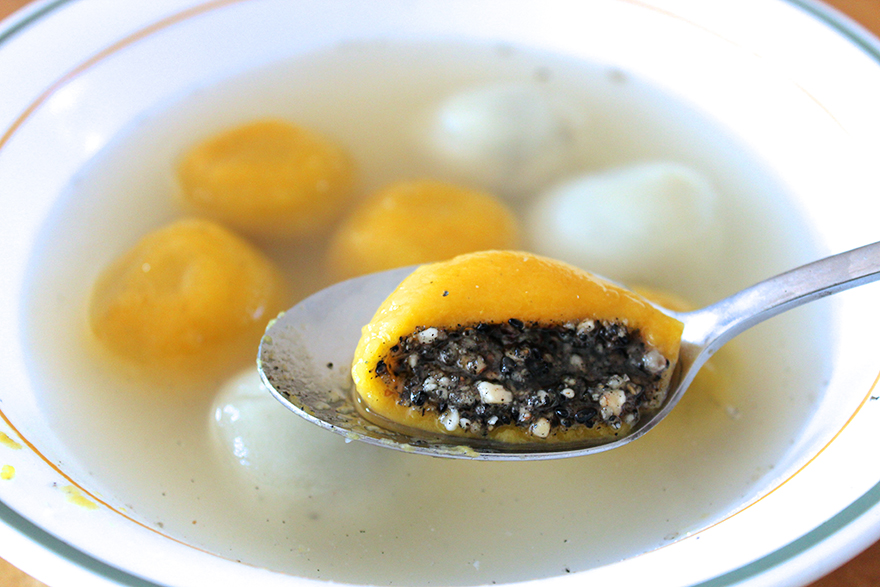 Tangyuan汤圆 / 湯圓
🇨🇳 China and 5 moreGlutinous rice balls, often filled, served in sweet or savory broth
Sweet or dessert, Snacks
Tangyuan汤圆 / 湯圓
🇨🇳 China and 5 moreGlutinous rice balls, often filled, served in sweet or savory broth
Sweet or dessert, Snacks
 MämmiVegan
🇫🇮 FinlandFinnish Easter dessert of baked rye and malt, served cold with cream or milk
Sweet or dessert
MämmiVegan
🇫🇮 FinlandFinnish Easter dessert of baked rye and malt, served cold with cream or milk
Sweet or dessert