
Mämmi
Finnish Easter dessert of baked rye and malt, served cold with cream or milk
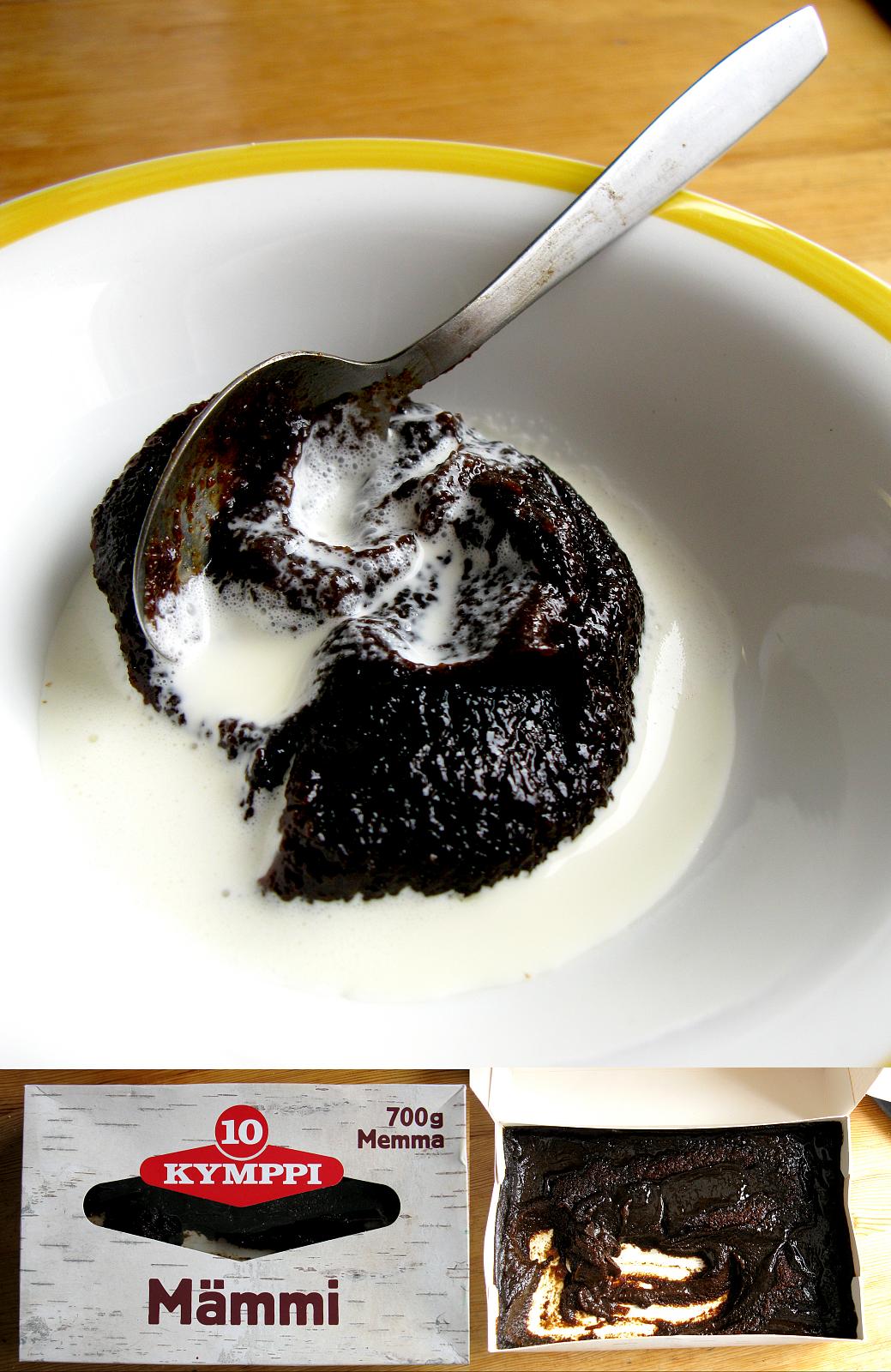
Mämmi is a Finnish dessert made from rye flour, malted rye, water, salt, and dried Seville orange zest. Traditionally eaten at Easter, it is baked, then cooled for several days before serving. Mämmi is usually enjoyed cold with milk or cream and sugar, and has a sweet, malty taste.
- Made from rye flour, malted rye, water, salt, and Seville orange zest
- Baked, then cooled for several days before eating
- Traditionally served cold with milk or cream and sugar
- Eaten mainly at Easter in Finland
- Originally stored in birch bark boxes called tuokkonen
What is Mämmi?
Mämmi is a dark, pudding-like dessert from Finland, made by mixing rye flour, malted rye, water, salt, and dried Seville orange zest. The mixture is baked until it thickens and develops a deep brown color and a sweet, malty aroma. The finished dish is soft and spoonable, with a flavor that is both earthy and slightly citrusy from the orange zest. It is most often served cold, accompanied by milk or cream and a sprinkle of sugar.
Where does Mämmi come from?
References to mämmi go back to the 16th century, though it is believed to have been eaten in southwestern Finland since at least the 1200s. Originally, mämmi was kept in birch bark boxes called tuokkonen or rove, a tradition now echoed in the design of commercial packaging. While it was once made at home, today most mämmi is produced in factories, with traditional and organic versions still available in Finland.
How is Mämmi made?
To make mämmi, rye flour, malted rye, water, salt, and dried Seville orange zest are combined into a thick paste. The mixture is left to develop sweetness naturally, then baked in an oven until set and darkened. After baking, it is cooled for several days to let the flavors mature. Commercially, molasses is often added for extra sweetness, resulting in a much sweeter taste than the traditional version.

How and when is Mämmi eaten?
Mämmi is typically eaten cold, especially during Easter. It is most commonly served with milk or cream and sugar, though some prefer it with vanilla sauce. In the past, it was sometimes spread on bread. While it is mainly enjoyed as a dessert, mämmi can also be found as an ingredient in specialty products like beer. Eating mämmi is closely tied to Finnish Easter traditions.
Kinds of Mämmi
Traditional mämmi is only lightly sweetened, with less than 2% sugar, while factory-made versions can be much sweeter due to added molasses. Organic and traditional labels are used for versions that stick to the old methods. There are also creative recipes that use mämmi in new ways, and it has even been used in brewing a special beer.
What Mämmi means
Mämmi holds a special place in Finnish Easter celebrations and is a symbol of seasonal tradition. The dish is so significant that there is a Finnish society dedicated to it, and enthusiasts have created dozens of recipes using mämmi. Its packaging, once birch bark, is now mimicked by modern containers, reflecting its roots in Finnish culture.
When Mämmi is on the table
Questions people ask about Mämmi
What is mämmi made of?
Mämmi is made from rye flour, malted rye, water, salt, and dried Seville orange zest. Commercial versions may also include molasses for extra sweetness.
Where does mämmi come from?
Mämmi is a traditional dessert from Finland, with roots in southwestern parts of the country and a history dating back to at least the 16th century.
How is mämmi usually served?
It is most often eaten cold, with milk or cream and sugar. Some people also enjoy it with vanilla sauce or as a spread on bread.
When is mämmi typically eaten?
Mämmi is closely associated with Easter in Finland and is mainly enjoyed during that festival.
Is mämmi vegan?
Yes, the traditional ingredients are all plant-based, making mämmi suitable for a vegan diet.
Good reading and sources
The facts on this page come from the Wikipedia article "Mämmi", written by its contributors and used under the CC BY-SA 4.0 licence, and from its Wikidata record (CC0). Thali rewrote the text in its own words, with AI assistance, and compares every page with the article to make sure no passage is copied. It may be reused under the same CC BY-SA 4.0 licence with a link back.
It may contain mistakes, and it is not dietary or allergy advice: recipes differ from cook to cook. If something is wrong, tell us. Last refreshed 2026-10-03.
More from Finland
All the food of Finland SimaVegan
🇫🇮 FinlandFinnish sparkling lemon drink, lightly fermented and sweet
Drink, Snacks
SimaVegan
🇫🇮 FinlandFinnish sparkling lemon drink, lightly fermented and sweet
Drink, Snacks
 Cinnamon rollVegetarian
🇸🇪 Sweden and 4 moreA sweet rolled bun with cinnamon and sugar, baked and often topped with icing
Sweet or dessert, Breakfast, Tea time
Cinnamon rollVegetarian
🇸🇪 Sweden and 4 moreA sweet rolled bun with cinnamon and sugar, baked and often topped with icing
Sweet or dessert, Breakfast, Tea time
 KamaVegetarianталқан
🇪🇪 Estonia and 5 moreRoasted grain and legume flour mixed with milk or buttermilk
Main dish, Breakfast, Snacks
KamaVegetarianталқан
🇪🇪 Estonia and 5 moreRoasted grain and legume flour mixed with milk or buttermilk
Main dish, Breakfast, Snacks
 BerlinerVegetarian
🇩🇪 Germany and 5 moreJam-filled German doughnut without a central hole, dusted with sugar or glazed
Sweet or dessert, Snacks, Tea time
BerlinerVegetarian
🇩🇪 Germany and 5 moreJam-filled German doughnut without a central hole, dusted with sugar or glazed
Sweet or dessert, Snacks, Tea time
Its cousins elsewhere
All sweets and desserts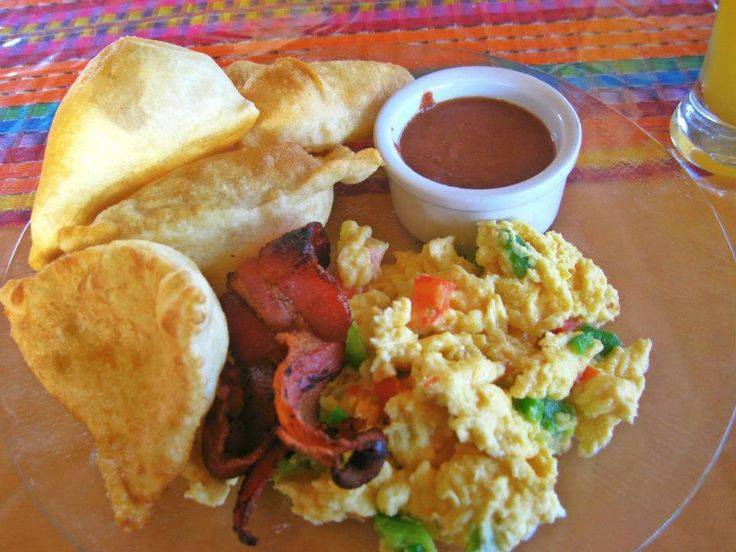 Fry jackVegetarian
🇧🇿 BelizeDeep-fried breakfast dough from Belize, served plain or with sweet or savoury toppings
Bread, Breakfast
Fry jackVegetarian
🇧🇿 BelizeDeep-fried breakfast dough from Belize, served plain or with sweet or savoury toppings
Bread, Breakfast
 Tulumba
🇪🇬 Egypt and 5 moreDeep-fried batter sticks soaked in sweet syrup
Sweet or dessert, Snacks
Tulumba
🇪🇬 Egypt and 5 moreDeep-fried batter sticks soaked in sweet syrup
Sweet or dessert, Snacks
 SushkiVegetarianсу́шки
🇷🇺 Russia and 4 moreSmall, crunchy, mildly sweet bread rings from Eastern Europe
Bread, Tea time, Snacks
SushkiVegetarianсу́шки
🇷🇺 Russia and 4 moreSmall, crunchy, mildly sweet bread rings from Eastern Europe
Bread, Tea time, Snacks