
Pupusa
Stuffed griddled cakes filled with cheese, beans, or meat, eaten hot by hand
Pupusas are thick, hand-formed cakes made from cornmeal or rice flour, filled with cheese, beans, chicharrón (pork), or vegetables. Originating in El Salvador and also found in Honduras, they are cooked on a griddle and eaten hot, often with curtido (pickled cabbage) and tomato sauce. Pupusas are a central part of Salvadoran food culture and have their own national day.
- El Salvador celebrates National Pupusa Day each November
- Olocuilta is known as the 'city of pupusas'
- Pupusas are filled with cheese, beans, pork, or vegetables
- Pupuserías are shops specializing in pupusas
- The largest recorded pupusa was over 6 meters wide
What is Pupusa?
A pupusa is a round, thick cake made by hand from a dough of cornmeal or sometimes rice flour. It is stuffed with a range of fillings, such as soft cheese, mashed beans, seasoned pork (chicharrón), or squash. The filled dough is shaped into a disc and cooked on a flat griddle until golden. Pupusas are usually served hot, with a side of curtido, a tangy cabbage slaw, and a spoonful of tomato sauce. The outside is slightly crisp, while the inside remains soft and filled with melted or mashed fillings.
Where does Pupusa come from?
The roots of the pupusa go back to Indigenous communities in Mesoamerica, where people made thick corn cakes long before European contact. Both El Salvador and Honduras claim it as their own, but it is most closely tied to El Salvador, where it is now the national dish. The first written mention appeared in the 1800s, describing a similar stuffed cake. During the Salvadoran Civil War, pupusas became more widespread as people migrated, especially to the United States. The use of rice flour began in the 20th century, especially in Olocuilta, when corn was scarce.
How is Pupusa made?
To make a pupusa, dough is prepared from either cornmeal or rice flour and formed into small balls. Each ball is flattened, filled with cheese, beans, pork, or vegetables, then carefully sealed and pressed into a thick disc. The filled cakes are cooked on a comal, a flat griddle, until both sides are browned and the filling is heated through. Pupusas are most often made by hand, and special shops called pupuserías specialize in their preparation.


How and when is Pupusa eaten?
Pupusas are eaten hot, often straight from the griddle. They are commonly enjoyed for lunch, dinner, or as a snack, and are typically picked up and eaten by hand. A traditional meal includes curtido, a pickled cabbage salad with a bit of heat, and a ladle of tomato sauce. In El Salvador, pupusas are found everywhere from street stalls to restaurants, and they are a staple of everyday meals as well as celebrations.
Kinds of Pupusa
While the classic pupusa is made with cornmeal, rice flour versions became popular in places like Olocuilta, especially when corn was less available. Fillings vary by region and taste, with some including loroco (an edible flower), shrimp, chicken, or even avocado. In the United States, Salvadoran communities have adapted pupusas to local ingredients, and new fillings continue to appear. Similar stuffed cakes are found in neighboring countries, sometimes under different names.
What Pupusa means
In El Salvador, pupusas are more than food—they are a symbol of national identity. The country celebrates National Pupusa Day every November, coinciding with the corn harvest. Making and selling pupusas supports a large part of the Salvadoran economy, with many women working in pupuserías. Olocuilta is famous for its pupusa markets, and the dish has even set world records for size. Pupusas are now a familiar sight in cities across the United States, brought by Salvadoran immigrants.
Questions people ask about Pupusa
What are pupusas made of?
Pupusas are made from a dough of cornmeal or rice flour, which is filled with ingredients like cheese, beans, chicharrón (pork), or squash before being cooked on a griddle.
Where did pupusas originate?
Pupusas come from Mesoamerica, with both El Salvador and Honduras claiming origins, but they are most closely associated with El Salvador, where they are the national dish.
How are pupusas traditionally eaten?
They are eaten hot, usually by hand, and served with curtido (a pickled cabbage slaw) and tomato sauce. They are enjoyed for lunch, dinner, or as a snack.
Are there different kinds of pupusas?
Yes, pupusas can be made with cornmeal or rice flour and filled with various ingredients, including cheese, beans, pork, squash, loroco, or even shrimp and chicken.
What is a pupusería?
A pupusería is a shop or restaurant that specializes in making and selling pupusas, often offering a variety of fillings and styles.
Good reading and sources
- The best street food in New YorkThe Guardian, Article
- For Salvadorans, pupusas mean comfortBBC, Article
The facts on this page come from the Wikipedia article "Pupusa", written by its contributors and used under the CC BY-SA 4.0 licence, and from its Wikidata record (CC0). Thali rewrote the text in its own words, with AI assistance, and compares every page with the article to make sure no passage is copied. It may be reused under the same CC BY-SA 4.0 licence with a link back.
It may contain mistakes, and it is not dietary or allergy advice: recipes differ from cook to cook. If something is wrong, tell us. Last refreshed 2026-10-03.
More from El Salvador
All the food of El Salvador Tamaletamal
🇲🇽 Mexico and 5 moreCorn dough filled and steamed in a leaf wrapper, with many regional fillings
Main dish, Breakfast, Lunch
Tamaletamal
🇲🇽 Mexico and 5 moreCorn dough filled and steamed in a leaf wrapper, with many regional fillings
Main dish, Breakfast, Lunch
 Sopa de pataMeat
🇸🇻 El Salvador and 1 moreSalvadoran soup with cow’s feet, tripe, yuca and vegetables
Soup, Lunch, Dinner
Sopa de pataMeat
🇸🇻 El Salvador and 1 moreSalvadoran soup with cow’s feet, tripe, yuca and vegetables
Soup, Lunch, Dinner
 HorchataVegan
🇪🇸 Spain and 5 moreSweet plant-based drink made from rice, tiger nuts or seeds
Drink, Snacks
HorchataVegan
🇪🇸 Spain and 5 moreSweet plant-based drink made from rice, tiger nuts or seeds
Drink, Snacks
 Atole
🇲🇽 Mexico and 4 moreHot drink made from masa (corn dough), sweetened and flavored with spices or fruit
Drink, Breakfast, Snacks
Atole
🇲🇽 Mexico and 4 moreHot drink made from masa (corn dough), sweetened and flavored with spices or fruit
Drink, Breakfast, Snacks
Its cousins elsewhere
All main dishes Pasta
🇮🇹 Italy and 1 moreUnleavened dough shaped and cooked, a staple of Italian cuisine
Main dish, Lunch, Dinner
Pasta
🇮🇹 Italy and 1 moreUnleavened dough shaped and cooked, a staple of Italian cuisine
Main dish, Lunch, Dinner
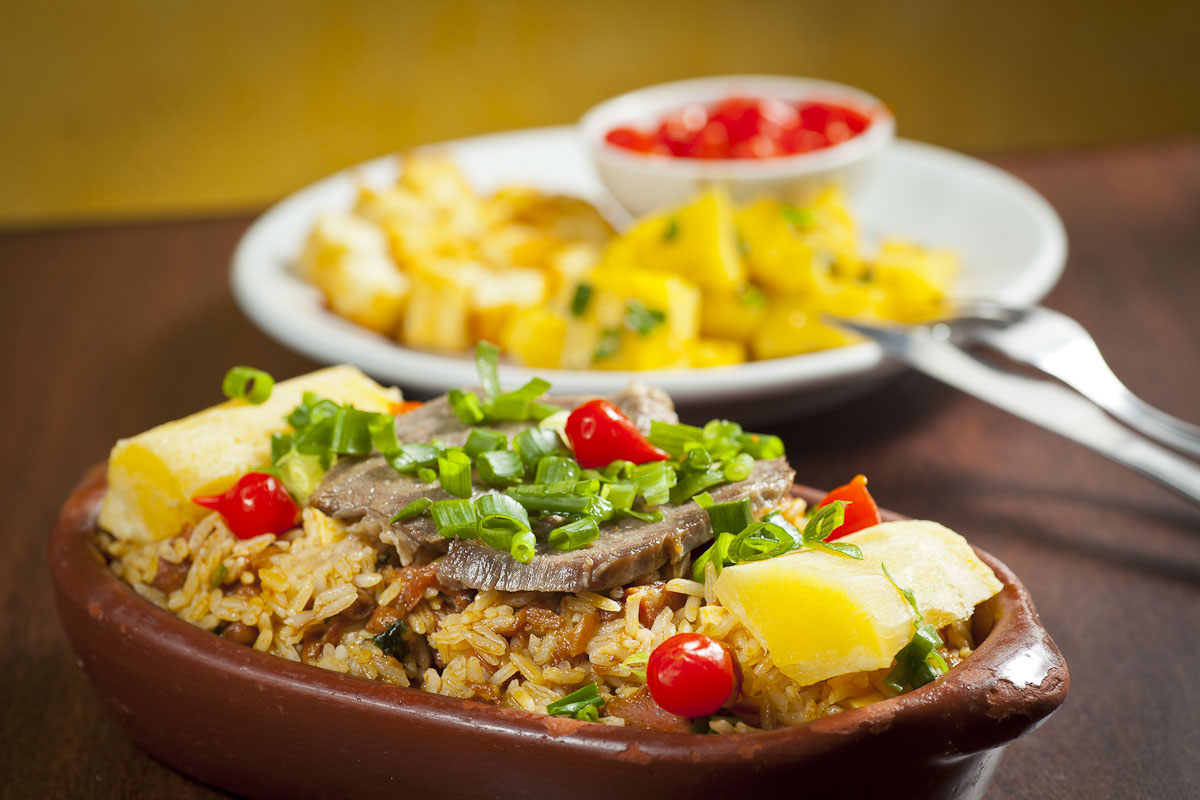 Baião de dois
🇧🇷 BrazilRice and beans cooked together, often with cheese and dried meat, from Northeast Brazil
Main dish, Dinner
Baião de dois
🇧🇷 BrazilRice and beans cooked together, often with cheese and dried meat, from Northeast Brazil
Main dish, Dinner
 Pizza
🇮🇹 Italy and 4 moreFlatbread topped with tomato, cheese and baked at high heat
Main dish, Lunch, Dinner
Blood sausageMeat
🇫🇷 France and 5 moreA sausage made with animal blood, fillers and spices, cooked or dried until firm
Main dish, Lunch, Dinner
Pizza
🇮🇹 Italy and 4 moreFlatbread topped with tomato, cheese and baked at high heat
Main dish, Lunch, Dinner
Blood sausageMeat
🇫🇷 France and 5 moreA sausage made with animal blood, fillers and spices, cooked or dried until firm
Main dish, Lunch, Dinner