
Rye bread
Dense, hearty bread made from rye grain with a deep, tangy taste
Rye bread is a compact, robust loaf baked across Northern and Eastern Europe and North America. Made from rye meal or flour, frequently sour-fermented, it provides a fiber-rich everyday base for open sandwiches, hearty cheeses, and cold meats.
- Poland is the world's largest exporter of rye bread.
- Finns selected rye bread as Finland's national food in 2017.
- Pure rye sourdough loaves can keep fresh for months without spoiling.
- Dough acidity from sourdough prevents rye enzymes from destroying bread structure.
What is Rye bread?
Rye bread is a compact, dark-hued bread made partly or entirely from rye flour. Because rye grains have weaker gluten than wheat and rely on starch for structure, loaves are significantly heavier, moister, and less airy than common white bread. The loaf color can range from pale tan to deep brown, influenced by the presence of bran, extended oven times, or added molasses and toasted crumbs. Its taste is earthy, sour, and noticeably hearty, often punctuated by aromatic seeds.
Where does Rye bread come from?
Rye grains were utilized across Britain and Ireland as early as the Iron Age, though deliberate cultivation was not always steady. Throughout the Middle Ages, rye served as an indispensable staple grain right across northern, central, and eastern Europe. Cultivation declined in parts of the British Isles during the eighteenth century due to modernizing farm rotations, but rye sustained its central role in colder continental climates where wheat remained difficult to harvest reliably.
How is Rye bread made?
Rye contains heat-resisting amylase enzymes that weaken dough structure unless neutralized. Bakers typically introduce an acidic sourdough culture containing lactobacillus bacteria. This lowers the acidity of the dough, stifling enzyme breakdown and helping the rye starches gel cleanly. Flour is blended with water, starter, and salt, then left to ferment. Bakers may incorporate cracked grains soaked overnight. The dough is shaped and baked, occasionally inside covered pans over extended periods at low heat.


How and when is Rye bread eaten?
Rye bread is usually sliced very thin because of its heavy density. In Denmark, dark rugbrød anchors everyday midday meals, piled high with cheese, pickled fish, warm meats, or cold cuts. Denser whole-grain loaves, such as German Vollkornbrot, serve as sturdy bases for smoked fish or caviar as well as sandwiches. Because pure all-rye loaves resist spoilage for months, they long served as dependable provisions for sailors and remote expeditions.
Kinds of Rye bread
Loaves span from light deli loaves to pitch-black pumpernickel. German Vollkornbrot incorporates soaked whole kernels, while Finnish loaves rely on pure rye sourdough. Scandinavian crispbreads, including knäckebröd, are rolled thin and baked dry for exceptional longevity. American and Canadian Jewish delis favor rye blended with high-gluten wheat, often seasoned with caraway seeds. In Montreal, unseeded rye dominates, while bakers in Winnipeg produce a distinct wheat loaf using coarse rye meal without caraway.
What Rye bread means
Rye bread has deep cultural value in many northern societies. Finns chose ruisleipä as their national food in 2017 and mark a dedicated rye bread day on February 28. In central and eastern European Jewish traditions, caraway-scented deli rye became an indispensable companion to kosher salt beef. For centuries of rural European life, grain blends like maslin were the core provision of working farm households, contrasting with the refined white loaves eaten by wealthier urban classes.
Questions people ask about Rye bread
What is rye bread made of?
It is made primarily from rye flour or cracked rye berries, combined with water, salt, and typically a sourdough starter. Some recipes add wheat flour, caraway seeds, or coloring like molasses.
Where does rye bread come from?
Rye has been used in Europe since the Iron Age and became a major staple across northern, central, and eastern Europe during the Middle Ages, thriving where wheat struggled to grow.
Why is rye bread so dense?
Rye gluten cannot trap air like wheat gluten, and active rye enzymes degrade starch quickly. Sourdough fermentation creates the acidity needed to stabilize the dough, giving it moisture, density, and a long shelf life.
Good reading and sources
The facts on this page come from the Wikipedia article "Rye bread", written by its contributors and used under the CC BY-SA 4.0 licence, and from its Wikidata record (CC0). EveryThali rewrote the text in its own words, with AI assistance, and compares every page with the article to make sure no passage is copied. It may be reused under the same CC BY-SA 4.0 licence with a link back.
It may contain mistakes, and it is not dietary or allergy advice: recipes differ from cook to cook. If something is wrong, tell us. Last refreshed 2026-10-04.
More from Poland
All the food of Poland Bagel
🇵🇱 Poland and 2 moreRing-shaped bread roll, boiled then baked for a dense, chewy texture
Bread, Breakfast, Lunch
Bagel
🇵🇱 Poland and 2 moreRing-shaped bread roll, boiled then baked for a dense, chewy texture
Bread, Breakfast, Lunch
 Challahחַלָּה
🇮🇱 Israel and 5 moreBraided egg bread central to Jewish Sabbath and holiday meals
Bread, Dinner, Lunch
Challahחַלָּה
🇮🇱 Israel and 5 moreBraided egg bread central to Jewish Sabbath and holiday meals
Bread, Dinner, Lunch
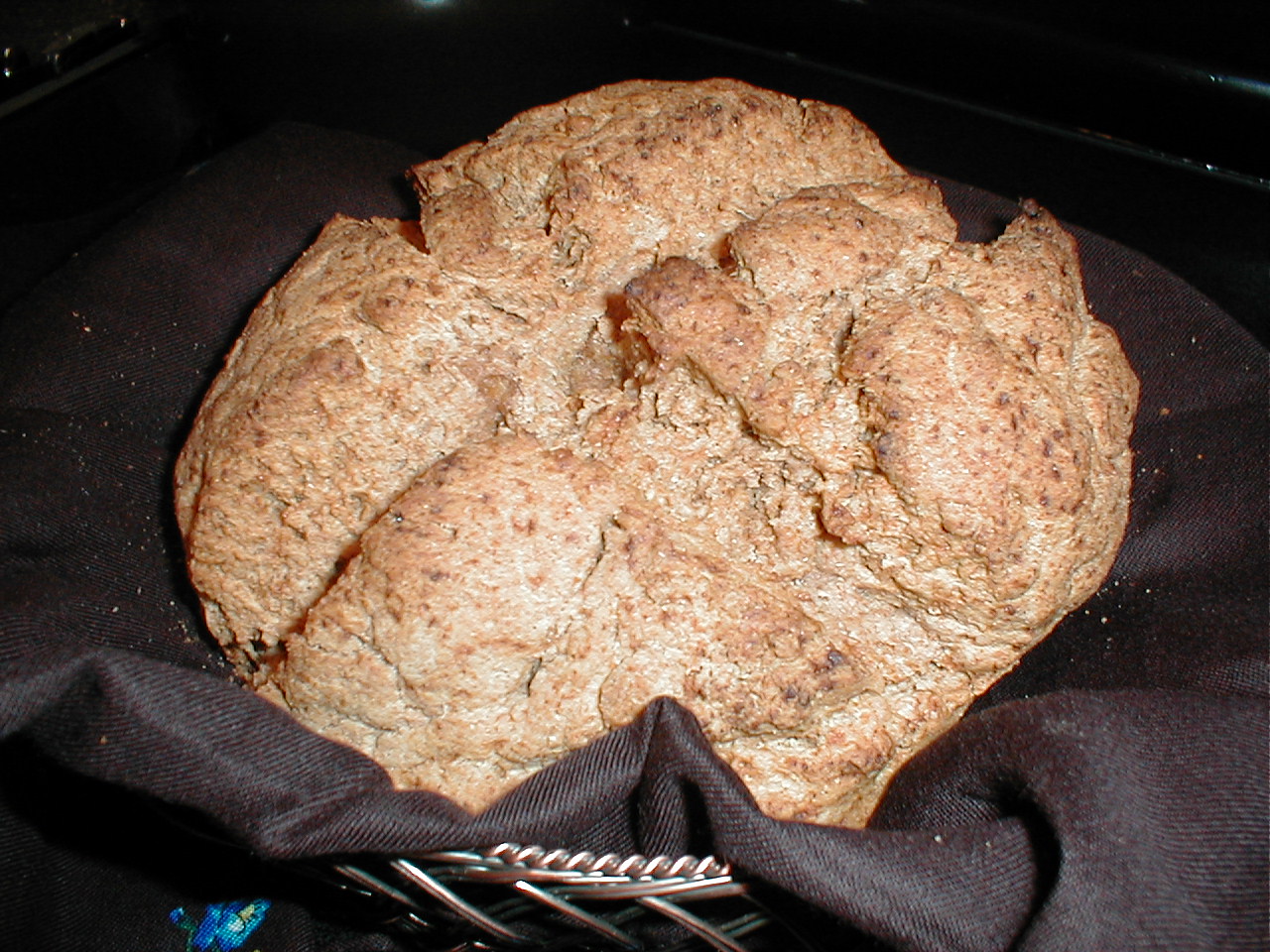 Soda breadVegetarian
🇮🇪 Ireland and 4 moreQuick bread made with flour, baking soda, salt, and buttermilk
Bread
Soda breadVegetarian
🇮🇪 Ireland and 4 moreQuick bread made with flour, baking soda, salt, and buttermilk
Bread
 SufganiyahVegetarianסופגנייה
🇮🇱 Israel and 5 moreDeep-fried sweet dough filled with jam, eaten for Hanukkah
Sweet or dessert, Snacks
SufganiyahVegetarianסופגנייה
🇮🇱 Israel and 5 moreDeep-fried sweet dough filled with jam, eaten for Hanukkah
Sweet or dessert, Snacks
Its cousins elsewhere
All breads ChapatiVeganचपाती
🇮🇳 India and 4 moreUnleavened flatbread cooked on a griddle and served hot with meals
Bread, Breakfast, Lunch
ChapatiVeganचपाती
🇮🇳 India and 4 moreUnleavened flatbread cooked on a griddle and served hot with meals
Bread, Breakfast, Lunch
 PitaVegan
🇪🇬 Egypt and 5 moreRound, leavened flatbread baked from wheat flour, common across the Middle East and Mediterranean
Bread
PitaVegan
🇪🇬 Egypt and 5 moreRound, leavened flatbread baked from wheat flour, common across the Middle East and Mediterranean
Bread
 Fry jackVegetarian
🇧🇿 BelizeDeep-fried breakfast dough from Belize, served plain or with sweet or savoury toppings
Bread, Breakfast
Fry jackVegetarian
🇧🇿 BelizeDeep-fried breakfast dough from Belize, served plain or with sweet or savoury toppings
Bread, Breakfast