
Sadya
In its own language: സദ്യ
A festive vegetarian feast from Kerala, served on a banana leaf
Sadya is a grand vegetarian meal from Kerala, India, made up of many traditional dishes served together on a banana leaf. It is especially prepared for festivals like Onam and Vishu, as well as for weddings and birthdays. The meal features rice, a range of vegetable curries, pickles, fried snacks, and several desserts, all enjoyed at lunchtime.
- Served on a banana leaf with each dish in a set spot
- Central to Kerala’s Onam and Vishu festivals
- Features over 20 vegetarian dishes in one meal
- Desserts like payasam are always included
- Coconut is used in many of the dishes
What is Sadya?
Sadya is a lavish meal made up of a wide selection of vegetarian dishes, all arranged on a banana leaf. The centerpiece is rice, surrounded by various curries, stews, pickles, fried snacks, and sweets. Coconut, in the form of oil, milk, or grated flesh, is a key ingredient in many items. The meal is colorful, with each dish placed in a specific spot on the leaf. Flavors range from spicy and sour to sweet, and textures vary from crisp chips to creamy desserts.
Where does Sadya come from?
Sadya comes from Kerala, a state in southern India, and is deeply connected to Malayali culture. Its name traces back to a Sanskrit word for a communal feast. Traditionally, sadya is served during major festivals like Onam and Vishu, as well as at weddings and other celebrations. Over time, the meal has grown to include dozens of dishes, with some grand versions offering more than sixty items. Local customs and available produce shape the exact menu in different parts of Kerala.
How is Sadya made?
Preparing a sadya is a detailed process, often starting the night before. The dishes are cooked by morning, using fresh vegetables, coconut, lentils, and spices. Each item is made separately, such as sambar (a lentil and vegetable stew), avial (mixed vegetables with coconut), and various pickles and fried snacks. The meal is served on a banana leaf, with each dish placed in a set position. Dessert, usually payasam (a sweet pudding), is served last.


How and when is Sadya eaten?
Sadya is usually enjoyed at lunchtime, especially during festivals or family gatherings. Traditionally, people sit on mats and eat from the banana leaf, though nowadays tables are also used. The meal is eaten by hand, and dishes are often replenished as guests eat. The meal ends with buttermilk and several types of payasam. After finishing, the banana leaf is folded, with the direction of the fold sometimes used to show satisfaction with the meal.
Kinds of Sadya
There are many regional styles of sadya in Kerala. The Central Travancore version is known for its strict order of serving. Some celebrations, like the Aranmula Valla-sadya, feature over sixty dishes. Ingredients and dishes can vary by area and season, with some versions including non-traditional vegetables like carrots or pineapple. While the core of the meal remains vegetarian, the exact items and their preparation reflect local tastes.
What Sadya means
Sadya is a symbol of hospitality and abundance in Kerala. It plays a central role in Onam and Vishu, festivals that mark important moments in the Malayali calendar. The meal is also served at weddings and other milestones. The ritual of serving, eating, and even folding the banana leaf carries cultural meaning. Sadya showcases the region’s produce and culinary traditions, and is a point of pride for Malayalis.
When Sadya is on the table
Questions people ask about Sadya
What is sadya made of?
Sadya is made up of rice, a variety of vegetable curries, pickles, fried snacks, and desserts. Coconut, lentils, and local vegetables are used in many dishes, and everything is vegetarian.
Where does sadya come from?
Sadya comes from Kerala, a state in southern India. It is a traditional meal of the Malayali people and is especially important during festivals and celebrations.
When is sadya usually eaten?
Sadya is most often served at lunch during festivals like Onam and Vishu, as well as at weddings, birthdays, and other special occasions.
How is sadya served?
The meal is arranged on a large banana leaf, with each dish placed in a specific spot. Traditionally, people sit on the floor to eat, though tables are now common.
Is sadya always vegetarian?
Yes, sadya is a vegetarian meal. It does not include meat, fish, or eggs, and most dishes are made with vegetables, lentils, and coconut.
Good reading and sources
- Onam special: Here’s what a traditional Onam sadhya hasThe Indian Express, Article
- Onam 2018, here’s why Sadya is the most balanced meal, full of nutritional valueHindustan Times, Article
- Chakka Maholsavam to feature jackfruit delicaciesThe Hindu, Article
The facts on this page come from the Wikipedia article "Sadya", written by its contributors and used under the CC BY-SA 4.0 licence, and from its Wikidata record (CC0). Thali rewrote the text in its own words, with AI assistance, and compares every page with the article to make sure no passage is copied. It may be reused under the same CC BY-SA 4.0 licence with a link back.
It may contain mistakes, and it is not dietary or allergy advice: recipes differ from cook to cook. If something is wrong, tell us. Last refreshed 2026-10-03.
More from India
All the food of India Ice cream
🇺🇸 United States and 5 moreA frozen dessert made from sweetened, flavoured milk or cream
Sweet or dessert, Snacks
Ice cream
🇺🇸 United States and 5 moreA frozen dessert made from sweetened, flavoured milk or cream
Sweet or dessert, Snacks
 Kebabكَبَاب
🇹🇷 Turkey and 5 moreGrilled or roasted meat, often on skewers, found across the Middle East and beyond
Main dish, Lunch, Dinner
Halvaحَلَاوَة
🇮🇷 Iran and 5 moreDense sweet made from seeds, grains, or vegetables, found across Asia, Africa, and Europe
Sweet or dessert, Snacks, Tea time
Kebabكَبَاب
🇹🇷 Turkey and 5 moreGrilled or roasted meat, often on skewers, found across the Middle East and beyond
Main dish, Lunch, Dinner
Halvaحَلَاوَة
🇮🇷 Iran and 5 moreDense sweet made from seeds, grains, or vegetables, found across Asia, Africa, and Europe
Sweet or dessert, Snacks, Tea time
 Candy
🇺🇸 United States and 5 moreSmall sweet treats made mainly from sugar or sweeteners
Sweet or dessert, Snacks
Candy
🇺🇸 United States and 5 moreSmall sweet treats made mainly from sugar or sweeteners
Sweet or dessert, Snacks
Its cousins elsewhere
All main dishes Paella
🇪🇸 Spain and 1 moreRice cooked with meat, seafood or vegetables in a wide shallow pan from Valencia
Main dish, Lunch
Blood sausageMeat
🇫🇷 France and 5 moreA sausage made with animal blood, fillers and spices, cooked or dried until firm
Main dish, Lunch, Dinner
Paella
🇪🇸 Spain and 1 moreRice cooked with meat, seafood or vegetables in a wide shallow pan from Valencia
Main dish, Lunch
Blood sausageMeat
🇫🇷 France and 5 moreA sausage made with animal blood, fillers and spices, cooked or dried until firm
Main dish, Lunch, Dinner
 Risotto
🇮🇹 ItalyCreamy Italian rice dish slowly cooked with broth and finished with cheese
Main dish, Lunch, Dinner
Risotto
🇮🇹 ItalyCreamy Italian rice dish slowly cooked with broth and finished with cheese
Main dish, Lunch, Dinner
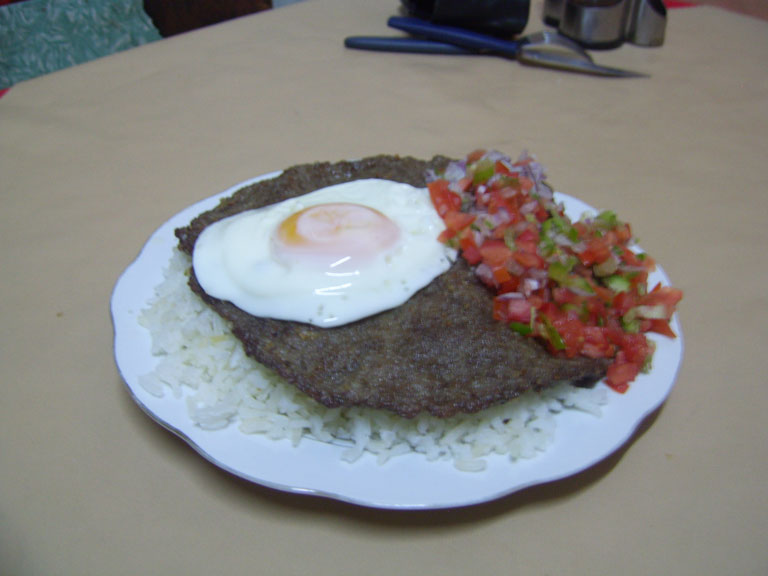 SilpanchoMeatSillp'anchu
🇧🇴 BoliviaLayered Bolivian meal with rice, potatoes, breaded meat, and fried eggs
Main dish, Lunch, Dinner
SilpanchoMeatSillp'anchu
🇧🇴 BoliviaLayered Bolivian meal with rice, potatoes, breaded meat, and fried eggs
Main dish, Lunch, Dinner