
Salpicon
In its own language: salpicón
A minced or diced medley bound with dressing, sauce, or juices
Salpicon is a versatile dish of finely chopped or diced ingredients brought together by a sauce or liquid. Enjoyed across Spain, Latin America, and the Philippines, versions range from chilled meat salads to warm stir-fries and fruit medleys.
- The name comes from a word that means a medley or hodgepodge.
- In Colombia, salpicon refers to a bright red fruit punch rather than a savory salad.
- Filipino beef salpicao is a hot, garlicky stir-fry finished with butter and soy sauce.
- Mexican cooks frequently heap cold steak salpicon onto crisp tostadas or inside tacos.
What is Salpicon?
Salpicon describes a broad culinary concept rather than a single fixed recipe. The name draws from a word for a hodgepodge or medley, referring to one or several ingredients finely cut and held together by a dressing, broth, or pan sauce. Depending on the region, the foundation can be shredded poultry, cold cuts of beef, fresh seafood, or even diced fresh fruit. Texture is central: vegetables and meats are shredded or chopped into uniform bites to ensure every forkful catches the seasoning. Flavors lean vibrant and sharp, frequently energized by citrus juice, vinegar, fresh herbs, or savory glazes.
Where does Salpicon come from?
The preparation has old culinary roots, documented in foundational European gastronomy manuals such as Auguste Escoffier's culinary guide and the Larousse Gastronomique. In traditional Western cooking, cooks often prepared seasoned minced mixtures under this name to serve as fillings or cold composed dishes. Spanish colonial trade networks carried the term across the Atlantic to Latin America and westward to the Philippines. Over centuries, communities adapted the basic idea of minced food bound in sauce to suit their indigenous produce, domestic livestock, and distinct local palates.
How is Salpicon made?
Preparation begins with chopping or shredding the core protein, fruit, or vegetable base. For Central American meat versions, cooks finely mince boiled beef and toss it with chopped aromatics like onions, sweet peppers, radishes, or fresh herbs, dressed generously with citrus juice. Mexican cooks typically slice cooked flank steak into thin shreds, combining it with chopped tomatoes, avocado, spicy serrano peppers, and vinegar. In the Philippines, tender beef pieces are quickly seared in hot oil with plenty of garlic, then coated in a rich pan glaze made with soy sauce, butter, and seasonings.


How and when is Salpicon eaten?
Because salpicon spans so many styles, serving methods differ widely. In Nicaragua and El Salvador, seasoned minced beef is served at room temperature, warm, or chilled, accompanied by steamed white rice, beans, or plantains cooked in various styles. Mexican versions are commonly scooped atop crisp tostadas, tucked into folded tortillas as tacos, or used as a savory stuffing inside poblano peppers. The sizzling Philippine beef variation is served hot from the skillet alongside a bowl of rice.
Kinds of Salpicon
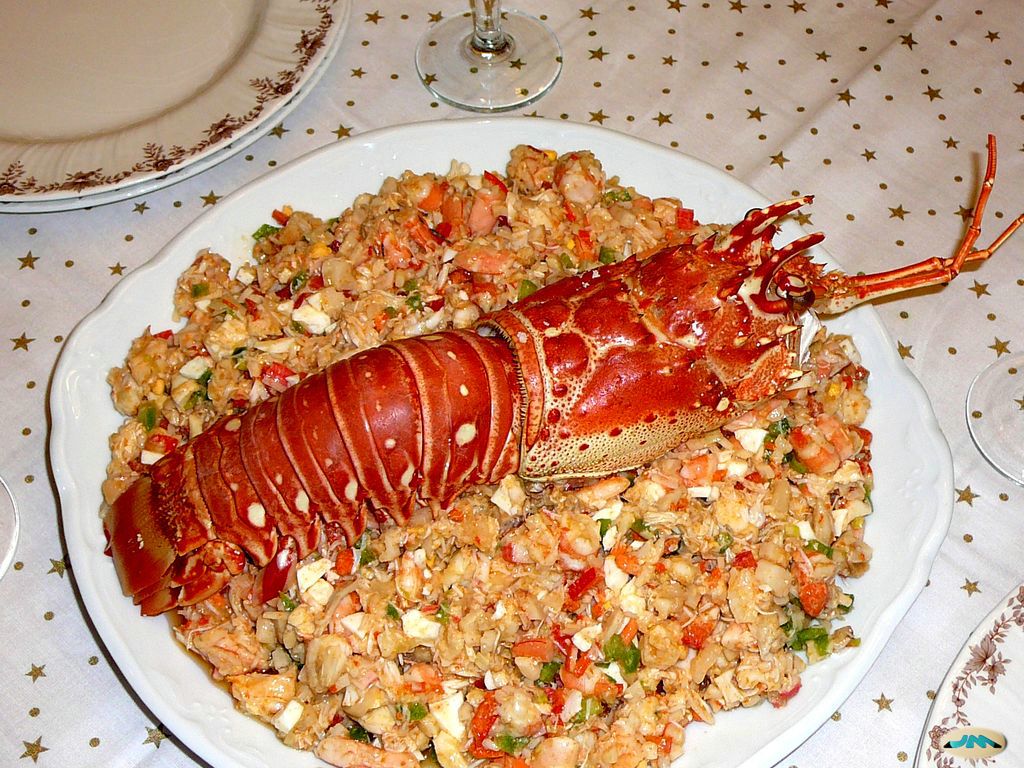
Regional adaptations diverge dramatically across continents. Honduran cooks sometimes prepare the dish using rabbit meat. In Peru, the name designates a cold chicken salad mixed with vegetables, herbs, lime juice, and mayonnaise. Meanwhile, Colombia turns the concept into a sweet, vibrant beverage: a bright red fruit cocktail made from fresh juices like watermelon or orange, mixed with seasonal diced fruit and fizzy soda water. Coastal Spanish cooking often features chilled seafood medleys dressed with oil and vinegar.
Questions people ask about Salpicon
What is salpicon made of?
It consists of finely diced or minced ingredients bound with liquid. Meats like beef, chicken, or rabbit are common, as are seafood, vegetables, and citrus dressings. Colombia makes a sweet version with fruit and soda.
Where does salpicon come from?
It originates from traditional European culinary practice, notably in Spain. Spanish influence spread the technique throughout Latin America and the Philippines, where distinct regional recipes developed.
Is salpicon served hot or cold?
It can be either. Filipino beef salpicao is served hot from the pan, while Peruvian chicken salad and Mexican steak salpicon are typically served chilled. Nicaraguan minced beef can be enjoyed warm or cold.
Good reading and sources
- Encyclopaedia BritannicaArticle
- Salpicón De Res (Salvadoran Minced Beef Salad)Los Angeles Times, Recipe
The facts on this page come from the Wikipedia article "Salpicon", written by its contributors and used under the CC BY-SA 4.0 licence, and from its Wikidata record (CC0). EveryThali rewrote the text in its own words, with AI assistance, and compares every page with the article to make sure no passage is copied. It may be reused under the same CC BY-SA 4.0 licence with a link back.
It may contain mistakes, and it is not dietary or allergy advice: recipes differ from cook to cook. If something is wrong, tell us. Last refreshed 2026-10-04.
More from Spain
All the food of Spain Paella
🇪🇸 Spain and 1 moreRice cooked with meat, seafood or vegetables in a wide shallow pan from Valencia
Main dish, Lunch
Paella
🇪🇸 Spain and 1 moreRice cooked with meat, seafood or vegetables in a wide shallow pan from Valencia
Main dish, Lunch
 Oxtail stewMeat
🇮🇹 Italy and 4 moreStew made with oxtail, found in many world cuisines
Stew or curry, Lunch, Dinner
Oxtail stewMeat
🇮🇹 Italy and 4 moreStew made with oxtail, found in many world cuisines
Stew or curry, Lunch, Dinner
 MolleteVegetarian
🇲🇽 Mexico and 6 moreOpen-faced Mexican sandwich with refried beans and melted cheese
Bread, Breakfast, Snacks
MolleteVegetarian
🇲🇽 Mexico and 6 moreOpen-faced Mexican sandwich with refried beans and melted cheese
Bread, Breakfast, Snacks
 TocinoMeat
🇵🇭 Philippines and 5 moreCured or fried pork enjoyed in Spain, the Philippines, and the Caribbean
Main dish, Breakfast, Lunch
TocinoMeat
🇵🇭 Philippines and 5 moreCured or fried pork enjoyed in Spain, the Philippines, and the Caribbean
Main dish, Breakfast, Lunch
Its cousins elsewhere
All salads and sides Pico de galloVegan
🇲🇽 MexicoChopped tomato, onion, chili and cilantro salad served as a fresh salsa
Salad or side
Pico de galloVegan
🇲🇽 MexicoChopped tomato, onion, chili and cilantro salad served as a fresh salsa
Salad or side
 Israeli saladVeganסָלָט יְרָקוֹת יִשְׂרְאֵלִי
🇮🇱 IsraelFinely chopped tomato, cucumber and onion salad, dressed with lemon juice or olive oil
Salad or side, Breakfast, Lunch
Israeli saladVeganסָלָט יְרָקוֹת יִשְׂרְאֵלִי
🇮🇱 IsraelFinely chopped tomato, cucumber and onion salad, dressed with lemon juice or olive oil
Salad or side, Breakfast, Lunch
 'Ota 'ikaFish or seafood
🇹🇴 Tonga and 3 moreFish in citrus and coconut milk, served with chopped vegetables across Oceania
Salad or side, Lunch, Dinner
'Ota 'ikaFish or seafood
🇹🇴 Tonga and 3 moreFish in citrus and coconut milk, served with chopped vegetables across Oceania
Salad or side, Lunch, Dinner
 Mechouia SaladFish or seafoodسلاطة مشوية
🇹🇳 TunisiaGrilled Tunisian vegetable salad mashed with olive oil, tuna, and boiled eggs
Salad or side, Lunch, Dinner
Mechouia SaladFish or seafoodسلاطة مشوية
🇹🇳 TunisiaGrilled Tunisian vegetable salad mashed with olive oil, tuna, and boiled eggs
Salad or side, Lunch, Dinner