
Sinangag
Filipino fried rice made with leftover rice and plenty of garlic
Sinangag is a Filipino fried rice dish made by stir-frying leftover rice with garlic. It is a staple at breakfast in the Philippines, usually served alongside cured meats, dried fish, or eggs. The rice is ideally firm and loose, often garnished with toasted garlic flakes and sometimes scallions.
- Made with leftover rice and lots of garlic
- A staple of Filipino breakfasts
- Usually served with cured meats, dried fish, or eggs
- Rice grains are meant to be loose and firm
- Sometimes cooked in leftover adobo sauce
What is Sinangag?
Sinangag is a simple Filipino fried rice dish where day-old rice is stir-fried with plenty of garlic. The rice grains are meant to stay separate and slightly firm, thanks to using leftover rice rather than freshly cooked. Toasted garlic flakes are often sprinkled on top, and sometimes chopped scallions are added. The dish is known for its strong garlic aroma and flavor, but it is kept plain so it does not overpower the foods it is served with.
Where does Sinangag come from?
Sinangag comes from the Philippines and is a fixture of Filipino breakfasts. It is traditionally made to use up leftover rice from the previous night’s meal, reflecting a practical approach to reducing food waste. In some regions, such as the Visayas, it was once seasoned with asín tibuok, a traditional salt. The practice of using leftover rice is deeply rooted in local culture, and making sinangag with freshly cooked rice is generally frowned upon.
How is Sinangag made?
To make sinangag, leftover cooked rice is stir-fried in oil with plenty of chopped or crushed garlic. The rice is tossed until it is heated through and the garlic is fragrant, sometimes taking on a golden color. Toasted garlic flakes may be added as a garnish, and scallions can be sprinkled on top for extra flavor. Occasionally, the rice is fried in leftover sauces or oils from dishes like adobo, adding more depth and reducing waste.


How and when is Sinangag eaten?
Sinangag is usually eaten at breakfast as part of a larger meal, rarely on its own. It is most often paired with 'dry' meats such as tocino (sweet cured pork), longganisa (Filipino sausage), tapa (cured beef), Spam, or daing (dried fish). Eggs, either scrambled or fried, are a common addition. Sinangag is a key part of the tapsilog breakfast set and similar combinations. It is typically served family-style at the table.
Kinds of Sinangag
There are several variations of fried rice in the Philippines, such as aligue rice (with crab fat) and bagoong fried rice (with fermented shrimp paste). In some places, plain boiled rice topped with garlic flakes is mistakenly called garlic rice, but true sinangag is always fried. Regional differences include the use of local seasonings like asín tibuok in the Visayas.
What Sinangag means
Sinangag is an everyday food in Filipino households and is especially important at breakfast. Its role in tapsilog and other 'silog' meals makes it a familiar comfort food. The dish reflects values of thrift and resourcefulness, as it is designed to use up leftovers. While found in eateries across the Philippines, it is also a staple of home cooking.
Questions people ask about Sinangag
What is sinangag made of?
Sinangag is made by stir-frying leftover cooked rice with plenty of garlic. It is sometimes garnished with toasted garlic flakes and scallions, but the main ingredients are rice and garlic.
Where does sinangag come from?
Sinangag comes from the Philippines. It is a traditional breakfast dish found throughout the country and is a common part of Filipino home cooking.
When is sinangag usually eaten?
Sinangag is most commonly eaten at breakfast. It is rarely served on its own and is usually paired with meats, dried fish, or eggs as part of a larger meal.
Why is leftover rice used for sinangag?
Leftover rice is preferred because it is firmer and the grains stay separate when fried. Using freshly cooked rice is frowned upon, as it tends to clump and become mushy.
What foods are served with sinangag?
Sinangag is often served with tocino (sweet cured pork), longganisa (sausage), tapa (cured beef), Spam, daing (dried fish), and eggs. It is a key part of the tapsilog breakfast set.
Good reading and sources
The facts on this page come from the Wikipedia article "Sinangag", written by its contributors and used under the CC BY-SA 4.0 licence, and from its Wikidata record (CC0). Thali rewrote the text in its own words, with AI assistance, and compares every page with the article to make sure no passage is copied. It may be reused under the same CC BY-SA 4.0 licence with a link back.
It may contain mistakes, and it is not dietary or allergy advice: recipes differ from cook to cook. If something is wrong, tell us. Last refreshed 2026-10-03.
More from the Philippines
All the food of the Philippines SpaghettiVegan
🇮🇹 Italy and 2 moreLong, thin pasta strands made from durum wheat and water
Noodle or pasta dish, Lunch, Dinner
SpaghettiVegan
🇮🇹 Italy and 2 moreLong, thin pasta strands made from durum wheat and water
Noodle or pasta dish, Lunch, Dinner
 Paella
🇪🇸 Spain and 1 moreRice cooked with meat, seafood or vegetables in a wide shallow pan from Valencia
Main dish, Lunch
Paella
🇪🇸 Spain and 1 moreRice cooked with meat, seafood or vegetables in a wide shallow pan from Valencia
Main dish, Lunch
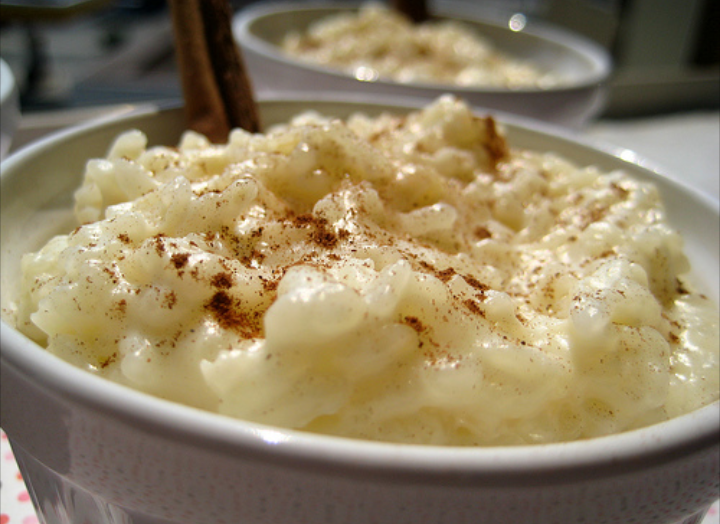 Rice pudding
🇮🇳 India and 4 moreSweetened rice cooked in milk, found in many forms worldwide
Sweet or dessert, Breakfast, Lunch
Rice pudding
🇮🇳 India and 4 moreSweetened rice cooked in milk, found in many forms worldwide
Sweet or dessert, Breakfast, Lunch
 Oxtail stewMeat
🇮🇹 Italy and 4 moreStew made with oxtail, found in many world cuisines
Stew or curry, Lunch, Dinner
Oxtail stewMeat
🇮🇹 Italy and 4 moreStew made with oxtail, found in many world cuisines
Stew or curry, Lunch, Dinner
Its cousins elsewhere
All rice dishes PelauMeat
🇹🇹 Trinidad and Tobago and 1 moreA one-pot rice and meat dish from the Caribbean, darkened with caramelised sugar
Main dish, Lunch, Dinner
PelauMeat
🇹🇹 Trinidad and Tobago and 1 moreA one-pot rice and meat dish from the Caribbean, darkened with caramelised sugar
Main dish, Lunch, Dinner
 Arroz carreteiroMeat
🇧🇷 BrazilBrazilian rice cooked with beef, sausage, and aromatics
Main dish, Lunch, Dinner
Arroz carreteiroMeat
🇧🇷 BrazilBrazilian rice cooked with beef, sausage, and aromatics
Main dish, Lunch, Dinner
 Risotto
🇮🇹 ItalyCreamy Italian rice dish slowly cooked with broth and finished with cheese
Main dish, Lunch, Dinner
Risotto
🇮🇹 ItalyCreamy Italian rice dish slowly cooked with broth and finished with cheese
Main dish, Lunch, Dinner
 Jambalaya
🇺🇸 United States and 5 moreLouisiana rice cooked with meats, vegetables and spices in one pot
Main dish, Lunch, Dinner
Jambalaya
🇺🇸 United States and 5 moreLouisiana rice cooked with meats, vegetables and spices in one pot
Main dish, Lunch, Dinner