
Soy milk
In its own language: 豆奶
A plant-based drink made by soaking, grinding, and boiling soybeans
Soy milk is a non-dairy beverage made by soaking and grinding soybeans, then boiling and filtering the mixture. Originating in China, it is now widely consumed in East Asia and around the world, both as a drink and as a substitute for cow's milk in recipes. It is often enjoyed at breakfast and used in both sweet and savory dishes.
- Made by soaking, grinding, boiling, and filtering soybeans
- Traditional breakfast drink in China and Taiwan
- Used as a dairy substitute for vegans and lactose-intolerant people
- Can be served sweet or savory, hot or cold
- First recorded in China during the Eastern Han dynasty
What is Soy milk?
Soy milk is a plant-based drink made by soaking soybeans, grinding them with water, boiling the mixture, and then filtering out the solids. The result is a smooth, opaque liquid, white or off-white in color, with a consistency similar to cow's milk. Its taste can be slightly nutty or have a 'beany' flavor, especially in traditional East Asian versions. Commercial soy milk may be sweetened or flavored, and sometimes fortified with vitamins and minerals. It is used both as a beverage and as an ingredient in recipes that call for milk.
Where does Soy milk come from?
Soy milk originated in China, with records dating back to the Eastern Han dynasty. It was first described as an intermediate step in tofu production. By the 14th century, it was already a common drink, and by the 18th and 19th centuries, it was sold by street vendors and in tofu shops, often paired with foods like youtiao. The drink spread to other parts of East Asia and, in the 20th century, to Europe and North America, where production methods were developed to make it taste and feel more like dairy milk.
How is Soy milk made?
To make soy milk, soybeans are soaked in water for several hours, then ground with additional water to form a slurry. This mixture is boiled to improve flavor and safety, then strained to remove the solids, leaving a smooth liquid. The process may include steps to reduce the 'beany' odor, such as blanching the beans or using specific soybean varieties. The finished soy milk can be sweetened, flavored, or fortified before being packaged for sale.

How and when is Soy milk eaten?
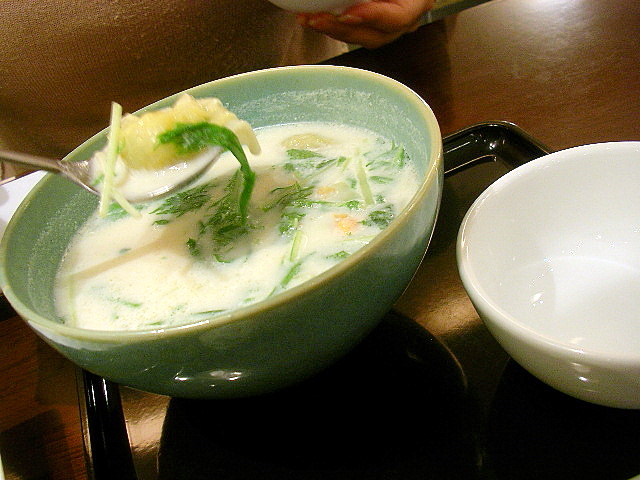
Soy milk is commonly enjoyed at breakfast, especially in China and Taiwan, where it may be served hot or cold, sweetened or savory. It is often paired with foods like youtiao (fried dough sticks), mantou (steamed buns), or shaobing (sesame flatbread). In Korea, it is used as the broth for a cold noodle soup called kongguksu. Soy milk is also used as a dairy substitute in drinks, cereals, and cooking, and is popular among vegans and people with lactose intolerance.
Kinds of Soy milk
Regional versions of soy milk include sweetened types with added sugar and savory ones with ingredients like pickled vegetables, dried shrimp, and herbs. In Japan, soy milk is used to make yuba and as a base for hot pot dishes. Commercial products may be flavored, fortified, or blended to mimic the taste and texture of cow's milk. The traditional Chinese doujiang is more watery and often freshly made, while packaged versions are thicker and more consistent.
What Soy milk means
Soy milk is a staple breakfast drink in East Asia and is closely tied to daily routines in China and Taiwan. It is often sold in breakfast shops and by street vendors. Its role as a dairy alternative has made it important for vegans and those with milk allergies worldwide. In the European Union, the term 'milk' is legally reserved for animal milk, so plant-based drinks like soy milk must be labeled differently. Soy milk is also used in making other plant-based dairy substitutes.
Questions people ask about Soy milk
What is soy milk made of?
Soy milk is made by soaking and grinding soybeans, boiling the mixture with water, and then filtering out the solids to produce a smooth, plant-based drink.
Where does soy milk come from?
Soy milk originated in China, where it has been made and consumed for centuries, and is now popular in East Asia and around the world.
Is soy milk vegan?
Yes, soy milk is vegan. It contains no animal products and is commonly used as a dairy substitute by vegans and people with milk allergies.
How is soy milk used in food?
Soy milk is enjoyed as a drink, especially at breakfast, and is also used in cooking and baking as a substitute for cow's milk. It is an ingredient in products like soy yogurt, soy cream, and smoothies.
What does soy milk taste like?
Traditional soy milk has a slightly nutty or 'beany' flavor, though commercial versions may be sweetened or flavored to taste more like dairy milk.
Good reading and sources
- Encyclopaedia BritannicaArticle
- EU court bans dairy-style names for soya and tofuBBC, Article
- Climate change: Which vegan milk is best?BBC, Article
- How America Killed Soy MilkEater, Article
The facts on this page come from the Wikipedia article "Soy milk", written by its contributors and used under the CC BY-SA 4.0 licence, and from its Wikidata record (CC0). Thali rewrote the text in its own words, with AI assistance, and compares every page with the article to make sure no passage is copied. It may be reused under the same CC BY-SA 4.0 licence with a link back.
It may contain mistakes, and it is not dietary or allergy advice: recipes differ from cook to cook. If something is wrong, tell us. Last refreshed 2026-10-03.
More from China
All the food of China TeaVegan茶
🇨🇳 China and 5 moreA drink made by soaking tea leaves in hot or cold water
Drink
TeaVegan茶
🇨🇳 China and 5 moreA drink made by soaking tea leaves in hot or cold water
Drink
 KumisКымыз
🇲🇳 Mongolia and 4 moreFermented mare's milk drink from the Central Asian steppe
Drink
KumisКымыз
🇲🇳 Mongolia and 4 moreFermented mare's milk drink from the Central Asian steppe
Drink
 Bubble tea珍珠奶茶
🇹🇼 Taiwan and 5 moreSweet tea with chewy tapioca pearls, served hot or cold
Drink
Bubble tea珍珠奶茶
🇹🇼 Taiwan and 5 moreSweet tea with chewy tapioca pearls, served hot or cold
Drink
 GuinnessVegan
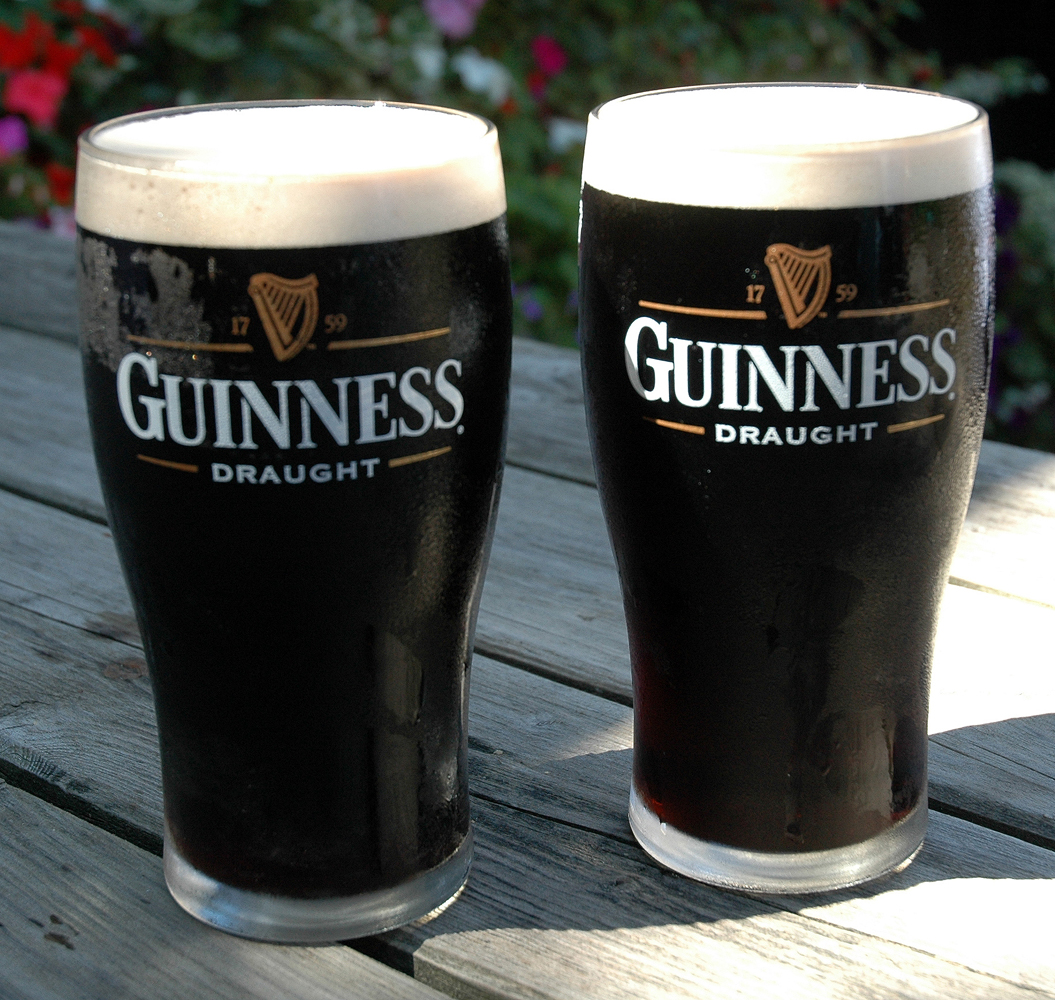
🇮🇪 Ireland and 5 moreA dark Irish stout with a creamy head and dry, roasted flavour
Drink
GuinnessVegan
🇮🇪 Ireland and 5 moreA dark Irish stout with a creamy head and dry, roasted flavour
Drink
Its cousins elsewhere
All drinks Hot chocolate
🇲🇽 Mexico and 5 moreA warm drink made from chocolate or cocoa, milk or water, and sugar
Drink, Breakfast, Snacks
MbegeVegan
🇹🇿 TanzaniaMildly alcoholic banana and millet drink from Tanzania's Chagga people
Drink
Hot chocolate
🇲🇽 Mexico and 5 moreA warm drink made from chocolate or cocoa, milk or water, and sugar
Drink, Breakfast, Snacks
MbegeVegan
🇹🇿 TanzaniaMildly alcoholic banana and millet drink from Tanzania's Chagga people
Drink
 OshikunduVegan
🇳🇦 NamibiaThick, fermented millet and sorghum drink from northern Namibia
Drink
OshikunduVegan
🇳🇦 NamibiaThick, fermented millet and sorghum drink from northern Namibia
Drink
 Coffee ceremonyVeganቡና ማፍላት
🇪🇹 Ethiopia and 1 moreA social ritual of roasting, brewing and sharing coffee in Ethiopia and Eritrea
Drink
Coffee ceremonyVeganቡና ማፍላት
🇪🇹 Ethiopia and 1 moreA social ritual of roasting, brewing and sharing coffee in Ethiopia and Eritrea
Drink