
Undhiyu
In its own language: ઊંધિયું
A slow-cooked winter mix of vegetables from Gujarat, often made for special occasions
Undhiyu is a hearty vegetable dish from Gujarat, India, especially linked to Surat. It brings together winter produce like green beans, unripe banana, eggplant, potatoes, and purple yam, all cooked with spices and coconut. Traditionally, it is prepared in an earthen pot underground, giving it a unique flavor and texture. Undhiyu is often enjoyed at weddings, festivals, and family gatherings.
- Traditionally cooked upside-down in an earthen pot underground
- Features winter vegetables like beans, yam, and unripe banana
- Often served at weddings and festive gatherings in Gujarat
- Includes muthia, a dumpling made from fenugreek leaves and chickpea flour
What is Undhiyu?
Undhiyu is a mixed vegetable dish from Gujarat, made mainly during the winter months when fresh produce is abundant. It uses a variety of vegetables such as green beans, unripe banana, eggplant, potatoes, and purple yam, along with muthia—small dumplings made from fenugreek leaves and chickpea flour. The vegetables are coated in a spiced paste with coconut and cooked until tender but still holding their shape. The finished dish is dry, with each piece of vegetable lightly coated in oil and spice, and is often finished with fresh cilantro and citrus juice.
Where does Undhiyu come from?
This dish comes from the western Indian state of Gujarat, with strong ties to the city of Surat. The name 'Undhiyu' refers to the traditional method of cooking it upside-down in an earthen pot buried underground, which is called 'matlu.' When made this way, it is known as 'umbadiyu.' The dish highlights the use of local winter vegetables and is a reflection of the region's agricultural cycles and communal celebrations.
How is Undhiyu made?
To prepare Undhiyu, cooks gather a selection of seasonal vegetables, often including root vegetables and beans. These are cut into chunks and combined with muthia dumplings. A paste of cilantro, ginger, garlic, green chili, sugar, and sometimes coconut is mixed in. The vegetables are layered in a pot with a little oil and water, then slowly cooked, often in stages so that each type cooks just right. The process is gentle to keep the vegetables intact and maintain some crunch in the beans. The dish is finished with fresh herbs and a squeeze of lemon or lime.
How and when is Undhiyu eaten?
Undhiyu is typically served as a main course during lunch or dinner, especially in winter. It is a popular choice at weddings and festive gatherings in Gujarat. The dish is commonly paired with puri (fried bread) or rice, and sometimes enjoyed with shrikhand, a sweet yogurt dessert. Family meals and banquets often feature Undhiyu when the right vegetables are in season.
Kinds of Undhiyu
There are several regional takes on Undhiyu. Surti undhiyu, from Surat, is milder and sometimes includes red lentils and palm sugar, garnished with peanuts and coconut. Kathiyawadi undhiyu, from the Kathiyawad region, is known for its deep red color and spicier flavor, and uses fried vegetables. Each variation reflects local tastes and available ingredients.
What Undhiyu means
Undhiyu is more than just a meal; it is a symbol of winter and celebration in Gujarat. It is often made for weddings, festivals, and family gatherings, marking special occasions. The traditional upside-down cooking method is a point of pride and connects people to their regional roots. The dish also appears in comparisons with other Indian and international mixed-vegetable stews, highlighting its place in both local and broader food culture.
Questions people ask about Undhiyu
What is Undhiyu made of?
Undhiyu brings together winter vegetables such as green beans, unripe banana, eggplant, potatoes, purple yam, and muthia dumplings made from fenugreek leaves and chickpea flour. The mix is flavored with a spiced coconut paste.
Where does Undhiyu come from?
Undhiyu is from Gujarat, a state in western India, and is especially associated with the city of Surat. It reflects the local tradition of using seasonal produce.
How is Undhiyu traditionally cooked?
The classic method involves layering the vegetables and dumplings in an earthen pot, which is then buried upside-down and heated from above. This slow cooking helps the flavors blend and keeps the vegetables whole.
When is Undhiyu usually eaten?
Undhiyu is most often prepared and enjoyed during the winter, when its key vegetables are in season. It is a highlight at weddings, festivals, and family gatherings.
Are there different versions of Undhiyu?
Yes. Surti undhiyu is milder and sometimes sweet, while Kathiyawadi undhiyu is spicier and uses fried vegetables. Each version reflects its local area.
Good reading and sources
The facts on this page come from the Wikipedia article "Undhiyu", written by its contributors and used under the CC BY-SA 4.0 licence, and from its Wikidata record (CC0). Thali rewrote the text in its own words, with AI assistance, and compares every page with the article to make sure no passage is copied. It may be reused under the same CC BY-SA 4.0 licence with a link back.
It may contain mistakes, and it is not dietary or allergy advice: recipes differ from cook to cook. If something is wrong, tell us. Last refreshed 2026-10-03.
More from India
All the food of India Kebabكَبَاب
🇹🇷 Turkey and 5 moreGrilled or roasted meat, often on skewers, found across the Middle East and beyond
Main dish, Lunch, Dinner
Kebabكَبَاب
🇹🇷 Turkey and 5 moreGrilled or roasted meat, often on skewers, found across the Middle East and beyond
Main dish, Lunch, Dinner
 Biryani
🇮🇳 India and 5 moreRice and spiced meat or vegetables layered and cooked together
Main dish, Lunch, Dinner
Biryani
🇮🇳 India and 5 moreRice and spiced meat or vegetables layered and cooked together
Main dish, Lunch, Dinner
 French toast
🇫🇷 France and 5 moreBread soaked in egg and milk, pan-fried and served sweet or savoury
Main dish, Breakfast, Snacks
French toast
🇫🇷 France and 5 moreBread soaked in egg and milk, pan-fried and served sweet or savoury
Main dish, Breakfast, Snacks
 Fish and chipsFish or seafood
🇬🇧 United Kingdom and 8 moreBattered fried fish served hot with thick-cut chips
Main dish, Lunch, Dinner
Fish and chipsFish or seafood
🇬🇧 United Kingdom and 8 moreBattered fried fish served hot with thick-cut chips
Main dish, Lunch, Dinner
Its cousins elsewhere
All main dishes Enchilada
🇲🇽 Mexico and 4 moreCorn tortillas rolled around a filling and covered with savory sauce
Main dish, Lunch, Dinner
Enchilada
🇲🇽 Mexico and 4 moreCorn tortillas rolled around a filling and covered with savory sauce
Main dish, Lunch, Dinner
 Mannish waterMeat
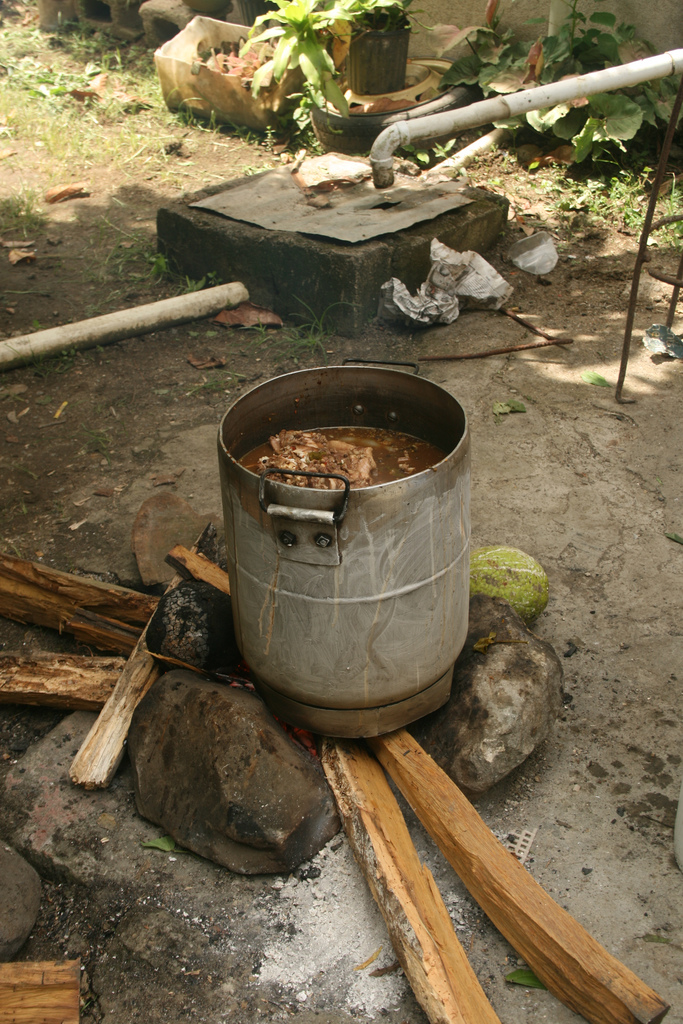
🇯🇲 JamaicaJamaican goat soup with yam, banana, and dumplings
Soup, Lunch, Dinner
Mannish waterMeat
🇯🇲 JamaicaJamaican goat soup with yam, banana, and dumplings
Soup, Lunch, Dinner
 Moussakaμουσακάς
🇬🇷 Greece and 5 moreBaked casserole of eggplant or potato, often layered with meat and sauce
Main dish, Lunch, Dinner
Moussakaμουσακάς
🇬🇷 Greece and 5 moreBaked casserole of eggplant or potato, often layered with meat and sauce
Main dish, Lunch, Dinner
 Hāngī
🇳🇿 New ZealandFood slow-cooked in an earth oven with hot stones, a Māori tradition
Main dish, Lunch, Dinner
Hāngī
🇳🇿 New ZealandFood slow-cooked in an earth oven with hot stones, a Māori tradition
Main dish, Lunch, Dinner