
Xôi
Vietnamese sticky rice, eaten plain or with sweet or savory toppings
Xôi is a Vietnamese dish made from glutinous (sticky) rice, often steamed and served hot or at room temperature. It is eaten across Vietnam in many forms, both sweet and savory, and appears at everyday meals as well as festivals, weddings, and offerings to ancestors. Xôi can be plain or combined with beans, meats, fruits, or coconut milk.
- Made from glutinous rice, steamed and sometimes wrapped in leaves
- Eaten both plain and with sweet or savory toppings
- Central to Vietnamese festivals, weddings, and ancestor offerings
- Comes in many colors and flavors, from mung bean to coconut and fruit
- Nam Định is famous for its diverse xôi styles
What is Xôi?
Xôi is a dish of steamed sticky rice, known for its glossy, slightly chewy grains. The basic version uses only glutinous rice, water, and a little salt, but it can be mixed with beans, meats, fruits, or coconut milk for extra flavor and color. Xôi can be white or brightly colored, depending on added ingredients like mung beans, pandan, or gấc fruit. It is typically served hot or at room temperature, sometimes wrapped in leaves for freshness. The taste ranges from mildly salty or nutty to sweet, depending on the style.
Where does Xôi come from?
Xôi has roots among the Tai peoples of Southeast Asia, who brought sticky rice traditions to Vietnam's northwest highlands. The region's climate and terrain suited glutinous rice, making it a staple crop. Over time, as wet rice became easier to grow, sticky rice became less common in daily meals but remained important for special occasions. The dish has evolved with many regional and festive variations, and its customs are deeply tied to Vietnamese culture and life events.
How is Xôi made?
To make xôi, sticky rice is soaked in water overnight, then sometimes in salt water to help the grains swell and soften. The rice is then steamed until tender. It may be left plain or mixed with ingredients such as mung beans, peanuts, coconut, or colored with natural plant extracts. In some regions, xôi is cooked in bamboo tubes or wrapped in leaves like banana or lotus, which help preserve it and add subtle aroma. Some versions are fried or combined with meats, eggs, or fruit.


How and when is Xôi eaten?
Xôi is eaten at breakfast, lunch, or as a snack, both at home and from street vendors. It is common at festivals, weddings, memorials, and especially during the Lunar New Year. Xôi is often offered to ancestors and deities at important events. It may be served plain or with toppings like fried onions, pâté, sausage, or coconut milk. In the northwest, it is sometimes cooked in bamboo for travel or forest work. Xôi is not usually paired with chicken or certain spices, following local beliefs.
Kinds of Xôi
There are many types of xôi, both savory and sweet. Savory kinds include xôi with mung beans, peanuts, Chinese sausage, or eggs. Sweet versions may use coconut, black beans, or fruit like durian and mango. Some xôi are colored with plant extracts for festive occasions, including five-color xôi for celebrations. Regional styles include xôi cooked in bamboo (cơm lam) and xôi chè, which is served with a sweet pudding. Newer trends mix xôi with tropical fruits and coconut milk.
What Xôi means
Xôi is more than food in Vietnam; it is part of rituals and celebrations. It is offered to ancestors and spirits at festivals, weddings, and memorials. During Tết (Lunar New Year), xôi is essential in family offerings. In some regions, xôi is given to students before exams for luck, as the word for 'bean' sounds like 'to pass'. Nam Định is known as the 'capital of xôi' for its variety. Xôi has even been used as glue for paper and bamboo crafts in the past.
Questions people ask about Xôi
What is xôi made of?
Xôi is made from glutinous (sticky) rice, water, and a little salt. It can also include beans, coconut, meats, or fruit depending on the variety.
Where does xôi come from?
Xôi comes from Vietnam, with origins among the Tai peoples in the northwest highlands. It is now eaten across the country.
Is xôi sweet or savory?
Xôi can be either sweet or savory. Savory versions may have beans, sausage, or eggs, while sweet types use coconut, beans, or fruit.
When is xôi usually eaten?
Xôi is eaten at breakfast, lunch, or as a snack. It is also served at festivals, weddings, and as an offering during the Lunar New Year.
How is xôi served?
Xôi is typically served hot or at room temperature, sometimes wrapped in banana or lotus leaves. It may be topped with fried onions, coconut milk, or other ingredients.
Good reading and sources
- A Taste of Sticky Rice, Laos’ National DishSmithsonian Magazine, Article
- Delicious but deadly mochi: The Japanese rice cakes that killBBC, Article
- Japan confronts mochi rice-cake death-trap with technological solutionThe Guardian, Article
The facts on this page come from the Wikipedia article "Xôi", written by its contributors and used under the CC BY-SA 4.0 licence, and from its Wikidata record (CC0). Thali rewrote the text in its own words, with AI assistance, and compares every page with the article to make sure no passage is copied. It may be reused under the same CC BY-SA 4.0 licence with a link back.
It may contain mistakes, and it is not dietary or allergy advice: recipes differ from cook to cook. If something is wrong, tell us. Last refreshed 2026-10-03.
More from Vietnam
All the food of Vietnam Mu kropMeat
🇹🇭 Thailand and 4 moreThai-style fried pork belly with a crunchy golden skin
Main dish, Lunch, Dinner
Mu kropMeat
🇹🇭 Thailand and 4 moreThai-style fried pork belly with a crunchy golden skin
Main dish, Lunch, Dinner
 Phophở
🇻🇳 Vietnam and 5 moreVietnamese rice noodle soup with beef or chicken in aromatic broth
Soup, Breakfast, Lunch
Phophở
🇻🇳 Vietnam and 5 moreVietnamese rice noodle soup with beef or chicken in aromatic broth
Soup, Breakfast, Lunch
 Pâté
🇫🇷 France and 5 moreA smooth or coarse spread made from minced meat, liver, or vegetables
Sauce, pickle or ferment
Pâté
🇫🇷 France and 5 moreA smooth or coarse spread made from minced meat, liver, or vegetables
Sauce, pickle or ferment
Its cousins elsewhere
All rice dishes Paella
🇪🇸 Spain and 1 moreRice cooked with meat, seafood or vegetables in a wide shallow pan from Valencia
Main dish, Lunch
Jollof rice
🇸🇳 Senegal and 5 moreWest African rice simmered in tomato, chili and spices, often served with meat or fish
Main dish, Lunch, Dinner
Paella
🇪🇸 Spain and 1 moreRice cooked with meat, seafood or vegetables in a wide shallow pan from Valencia
Main dish, Lunch
Jollof rice
🇸🇳 Senegal and 5 moreWest African rice simmered in tomato, chili and spices, often served with meat or fish
Main dish, Lunch, Dinner
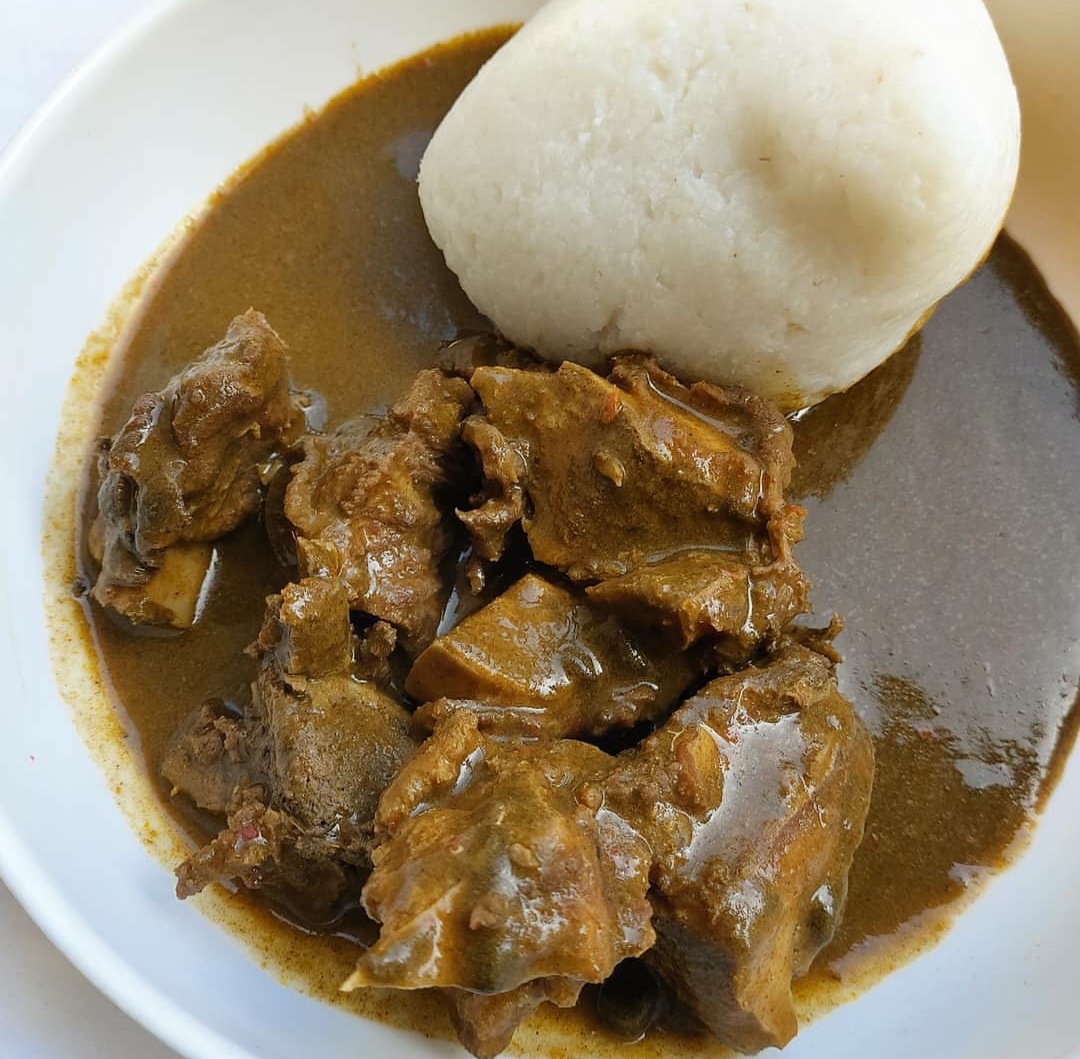 Tuwon shinkafaVegan
🇳🇬 Nigeria and 2 moreSoft, sticky rice dough served with soups in northern Nigeria and Niger
Main dish, Lunch, Dinner
Tuwon shinkafaVegan
🇳🇬 Nigeria and 2 moreSoft, sticky rice dough served with soups in northern Nigeria and Niger
Main dish, Lunch, Dinner
 Risotto
🇮🇹 ItalyCreamy Italian rice dish slowly cooked with broth and finished with cheese
Main dish, Lunch, Dinner
Risotto
🇮🇹 ItalyCreamy Italian rice dish slowly cooked with broth and finished with cheese
Main dish, Lunch, Dinner