
Yakhni
A family of meat and vegetable stews from Iran, the Middle East and the Balkans
Yakhni is a group of stews made with meat and vegetables, found from Iran and Central Asia to the Balkans. The dish varies by region, using ingredients like lamb, beef, fish, or beans, and is often cooked with onions, tomatoes, and oil. It is served with rice, bulgur, or bread, and sometimes appears as a broth or pilaf base.
- Yakhni originated in Medieval Iranian cuisine
- The name comes from the clay pot once used to cook it
- In South Asia, yakhni often means a meat broth or yogurt stew
- Romanian iahnie de fasole is a bean version, sometimes with smoked meat
- Arab versions are served with rice, bulgur, or maftoul
What is Yakhni?
Yakhni is a broad term for stews that combine meat—such as lamb, beef, or chicken—with vegetables. The main flavors often come from onions, tomatoes, and oil, with garlic and spices used in some versions. In some places, fish or beans replace the meat. The look and taste change by region: some are rich and tomato-based, others lighter or yogurt-flavored. The dish can be hearty and warming, sometimes served as a broth or as a thick stew.
Where does Yakhni come from?
Yakhni began as a meat stew in Medieval Iranian cooking, its name coming from the covered clay pot used for slow cooking. The word itself means 'store of food' in Persian. Over time, the dish traveled east to Central and South Asia and west to the Ottoman Empire, reaching the Levant, North Africa, and the Balkans. Each region adapted it to local tastes and ingredients.
How is Yakhni made?
The basic method is to simmer meat with onions and oil, often adding tomatoes, garlic, and spices. Some regions use olive oil, while others prefer sunflower oil. In the Balkans and Middle East, vegetables or beans may be added. In South Asia, yakhni can mean a clear meat broth or a yogurt-based stew, especially in Kashmir. The stew is sometimes used as a base for rice dishes like pilaf.


How and when is Yakhni eaten?
Yakhni is usually eaten for lunch or dinner, served hot with rice, bulgur, or bread. In the Arab world, it is often paired with rice or bulgur, while in Gaza it comes with maftoul, a type of couscous. In Romania, a bean version is served with smoked meats or sausages. The dish is part of daily meals rather than reserved for special occasions.
Kinds of Yakhni
There are many regional versions: Iranian yakhni is similar to khoresh, while in Turkey, Greece, and the Balkans, it may be made with fish or just vegetables. Kashmiri yakhni uses yogurt and spices like fennel and cardamom. In Romania, iahnie de fasole is a bean stew, sometimes with smoked meat. Lebanese fasoulia yakhni is made with white beans and olive oil. In Bangladesh, akhni is a rice dish related to biryani.
What Yakhni means
Yakhni is a dish that reflects the movement of food across regions and cultures, adapting to local ingredients and tastes. It is found in home kitchens and is part of everyday meals from Iran to the Balkans. The dish has no single religious or festival tie, but its many forms show how a simple stew can become a staple in many cuisines.
Questions people ask about Yakhni
What is yakhni made of?
Yakhni is usually made with meat such as lamb, beef, or chicken, cooked with onions, tomatoes, oil, and sometimes garlic and spices. In some regions, fish or beans are used instead of meat.
Where does yakhni come from?
Yakhni originated in Medieval Iran and spread east to Central and South Asia and west to the Ottoman Empire, the Middle East, and the Balkans.
Are there vegetarian versions of yakhni?
Yes, in places like Romania and Lebanon, yakhni can be made with beans or vegetables instead of meat. Olive oil or sunflower oil is often used in these versions.
How is yakhni served?
Yakhni is typically served hot as a main dish, often with rice, bulgur, bread, or couscous, depending on the region.
Is yakhni the same everywhere?
No, the ingredients and style of yakhni change by region. Some versions are tomato-based, others use yogurt, and some are broths or rice dishes.
Good reading and sources
The facts on this page come from the Wikipedia article "Yahni", written by its contributors and used under the CC BY-SA 4.0 licence, and from its Wikidata record (CC0). Thali rewrote the text in its own words, with AI assistance, and compares every page with the article to make sure no passage is copied. It may be reused under the same CC BY-SA 4.0 licence with a link back.
It may contain mistakes, and it is not dietary or allergy advice: recipes differ from cook to cook. If something is wrong, tell us. Last refreshed 2026-10-03.
More from Iran
All the food of Iran Kebabكَبَاب
🇹🇷 Turkey and 5 moreGrilled or roasted meat, often on skewers, found across the Middle East and beyond
Main dish, Lunch, Dinner
Kebabكَبَاب
🇹🇷 Turkey and 5 moreGrilled or roasted meat, often on skewers, found across the Middle East and beyond
Main dish, Lunch, Dinner
 Pilaf
🇺🇿 Uzbekistan and 5 moreRice cooked in stock with spices, meat or vegetables, with each grain kept separate
Main dish, Lunch, Dinner
Pilaf
🇺🇿 Uzbekistan and 5 moreRice cooked in stock with spices, meat or vegetables, with each grain kept separate
Main dish, Lunch, Dinner
 Khoresh bademjanخورش بادمجان
🇮🇷 IranPersian stew of eggplant, tomato, lamb, and tart fruit, served with rice
Stew or curry, Lunch, Dinner
Khoresh bademjanخورش بادمجان
🇮🇷 IranPersian stew of eggplant, tomato, lamb, and tart fruit, served with rice
Stew or curry, Lunch, Dinner
 Kabab koobidehMeatکباب کوبیده
🇮🇷 IranIranian skewered kebab of ground lamb or beef mixed with onion and spices
Main dish, Lunch, Dinner
Kabab koobidehMeatکباب کوبیده
🇮🇷 IranIranian skewered kebab of ground lamb or beef mixed with onion and spices
Main dish, Lunch, Dinner
Its cousins elsewhere
All stews and curries RatatouilleVegan
🇫🇷 FranceA Provençal stew of summer vegetables cooked in olive oil
Main dish, Lunch, Dinner
RatatouilleVegan
🇫🇷 FranceA Provençal stew of summer vegetables cooked in olive oil
Main dish, Lunch, Dinner
 Cataplana
🇵🇹 PortugalSeafood and meat stew cooked in a sealed metal vessel from Portugal's Algarve
Main dish, Lunch, Dinner
Cataplana
🇵🇹 PortugalSeafood and meat stew cooked in a sealed metal vessel from Portugal's Algarve
Main dish, Lunch, Dinner
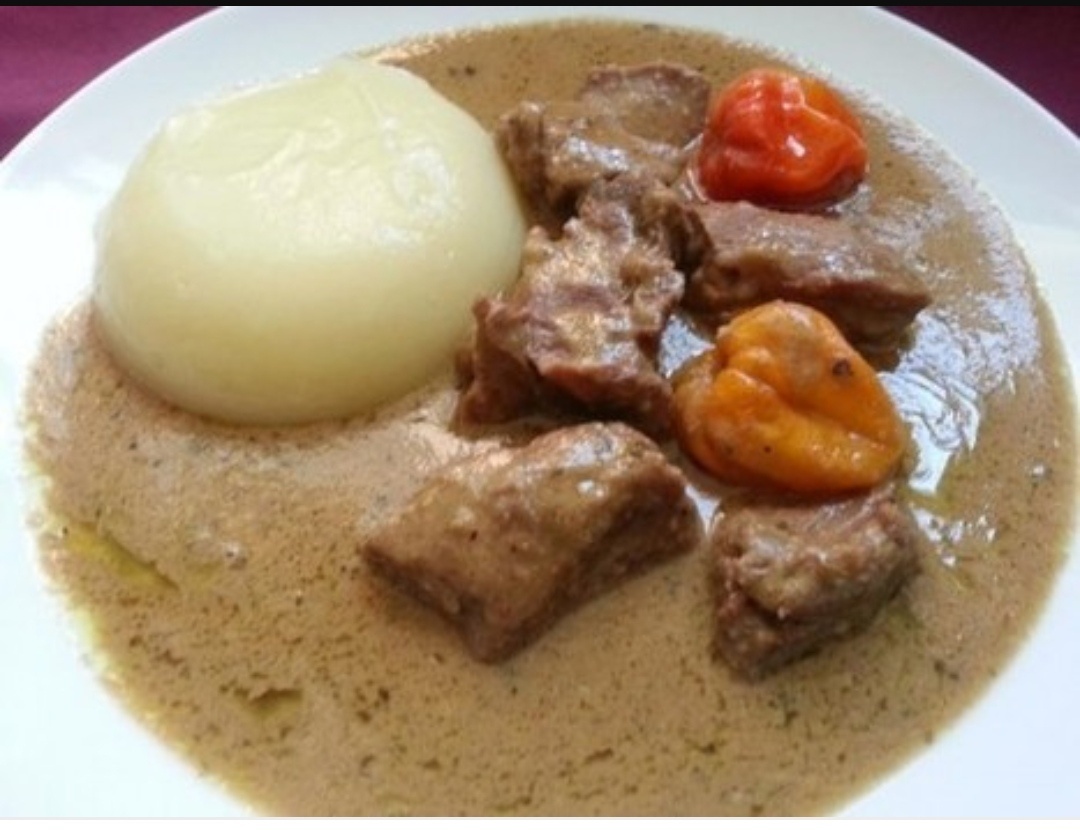 Peanut stew
🇸🇳 Senegal and 5 moreA rich West African stew of meat and vegetables in a spiced peanut sauce
Stew or curry, Lunch, Dinner
Peanut stew
🇸🇳 Senegal and 5 moreA rich West African stew of meat and vegetables in a spiced peanut sauce
Stew or curry, Lunch, Dinner
 Chili con carneMeat
🇲🇽 Mexico and 1 moreA spicy stew of meat and chili peppers from Mexico and the United States
Main dish, Lunch, Dinner
Chili con carneMeat
🇲🇽 Mexico and 1 moreA spicy stew of meat and chili peppers from Mexico and the United States
Main dish, Lunch, Dinner