Shared tables and spreads
Dim sum and yum cha
The Cantonese morning meal of tea with many small steamed, fried and baked dishes, shared around a table in a teahouse.
Presented by ClearTrust Free for cooks, travellers and the curious.
Yum cha means to drink tea in Cantonese. Dim sum are the small dishes eaten with that tea. Together they make the long, noisy brunch of southern China: bamboo baskets of dumplings and buns, plates of rice rolls and tarts, and a teapot that is refilled all morning. Families go on weekends. Older regulars go every day.

What it is
Dim sum dishes are small, usually three or four pieces to a basket or plate, so that a table can order many. Steamed items include prawn dumplings in thin translucent skins, open-topped pork dumplings, barbecued pork buns, rice noodle rolls and sticky rice in lotus leaf. Fried and baked items include spring rolls, turnip cake, taro puffs and egg tarts. There are also braised dishes such as chicken feet and spare ribs with black beans, and rice porridge.
Where it comes from
The custom grew from teahouses in Guangzhou and the surrounding Pearl River Delta, where customers came for tea and were offered a couple of small snacks. A local phrase sums up the old habit: one cup, two pieces. Over time the snacks multiplied and became the reason to go. Hong Kong refined the style in the twentieth century, and Cantonese migrants carried it to Chinatowns in Southeast Asia, Australia, Europe and the Americas.
How it works
You are seated and asked first what tea you want. Common choices are pu-erh, jasmine, oolong and chrysanthemum. In older restaurants servers push trolleys of baskets between tables and you take what you like, and a card on your table is stamped. In most places now you tick boxes on an order sheet. Dishes arrive as they are ready, in no fixed order. Service runs from early morning to mid afternoon. Dim sum is not traditionally a dinner meal.
How to do it
- Choose a tea for the table as soon as you sit.
- Order three or four dishes per person to begin, mixing steamed and fried.
- Share everything. Take one piece at a time from the basket.
- Leave the teapot lid ajar when you need more hot water.
- Ask for the bill by handing over the stamped card or sheet.
Good manners
- Pour tea for others before yourself.
- Tap two fingers on the table to thank someone who pours for you.
- Do not take the last piece without offering it round.
What is eaten
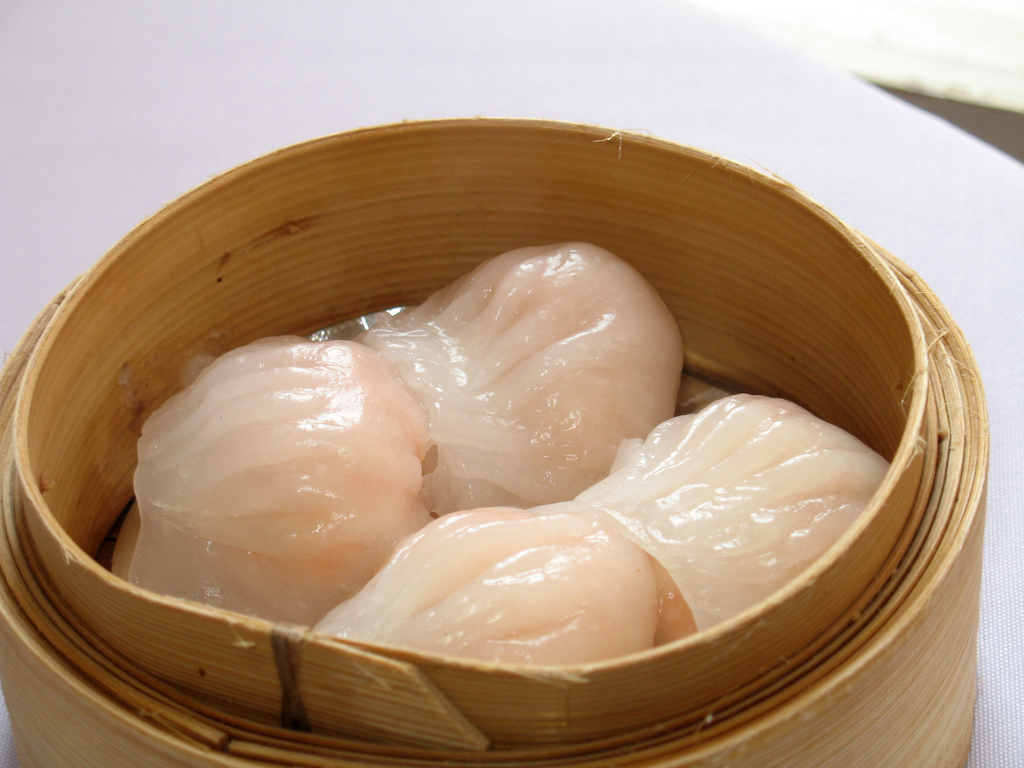 Har gowTranslucent shrimp dumplings served as part of Cantonese dim sum
 ShumaiChinese dumplings filled with seasoned meat, often served as dim sum
 Cha siu baoCantonese steamed or baked buns filled with barbecue-flavored pork
 Egg tartA small pastry tart with a sweet egg custard filling, found in Cantonese cuisine
 Chicken feetChicken feet cooked and eaten in soups, stews, snacks and street foods worldwide
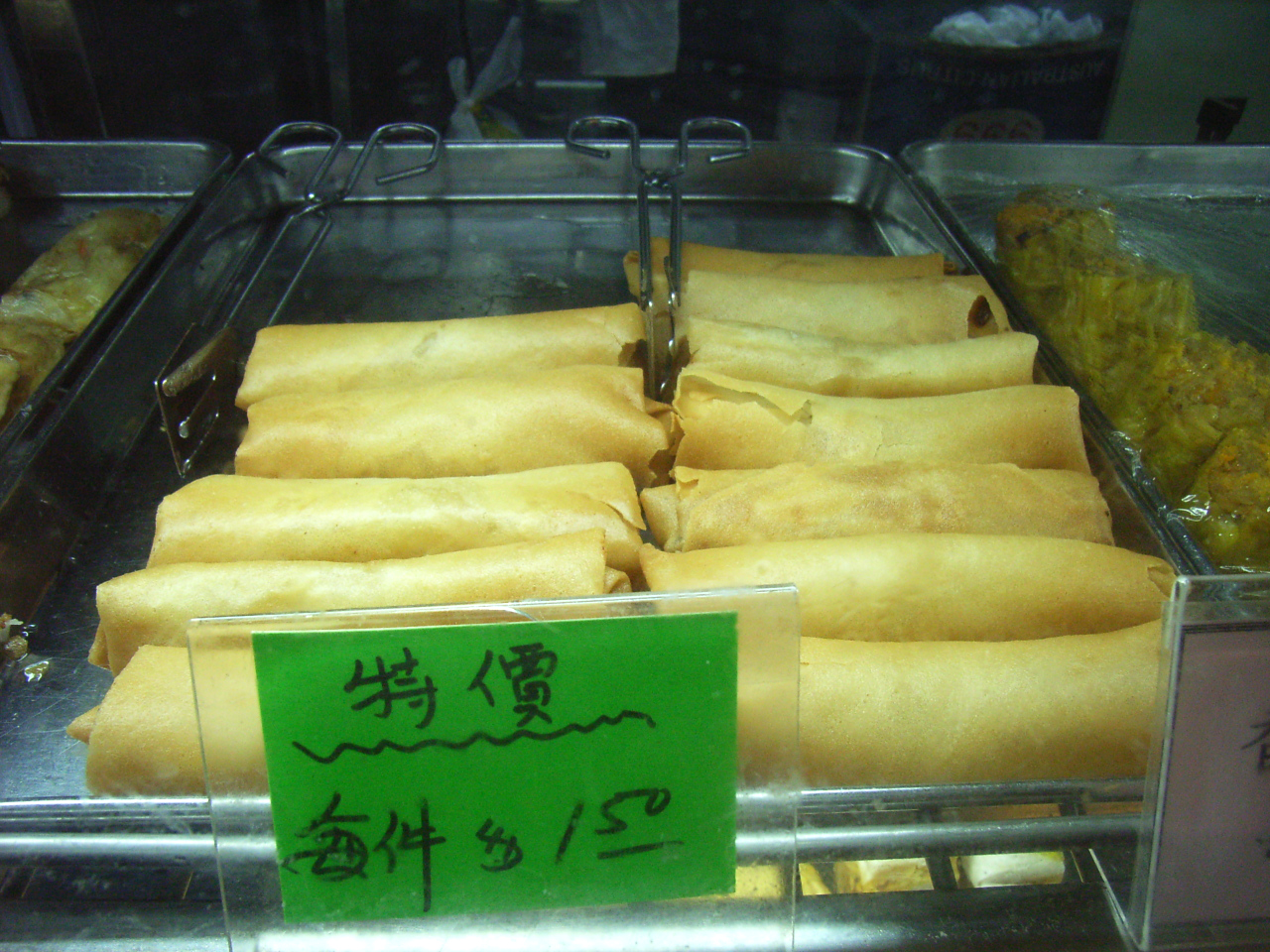 Spring rollA thin wrapper rolled around vegetables or meat, served fried or fresh
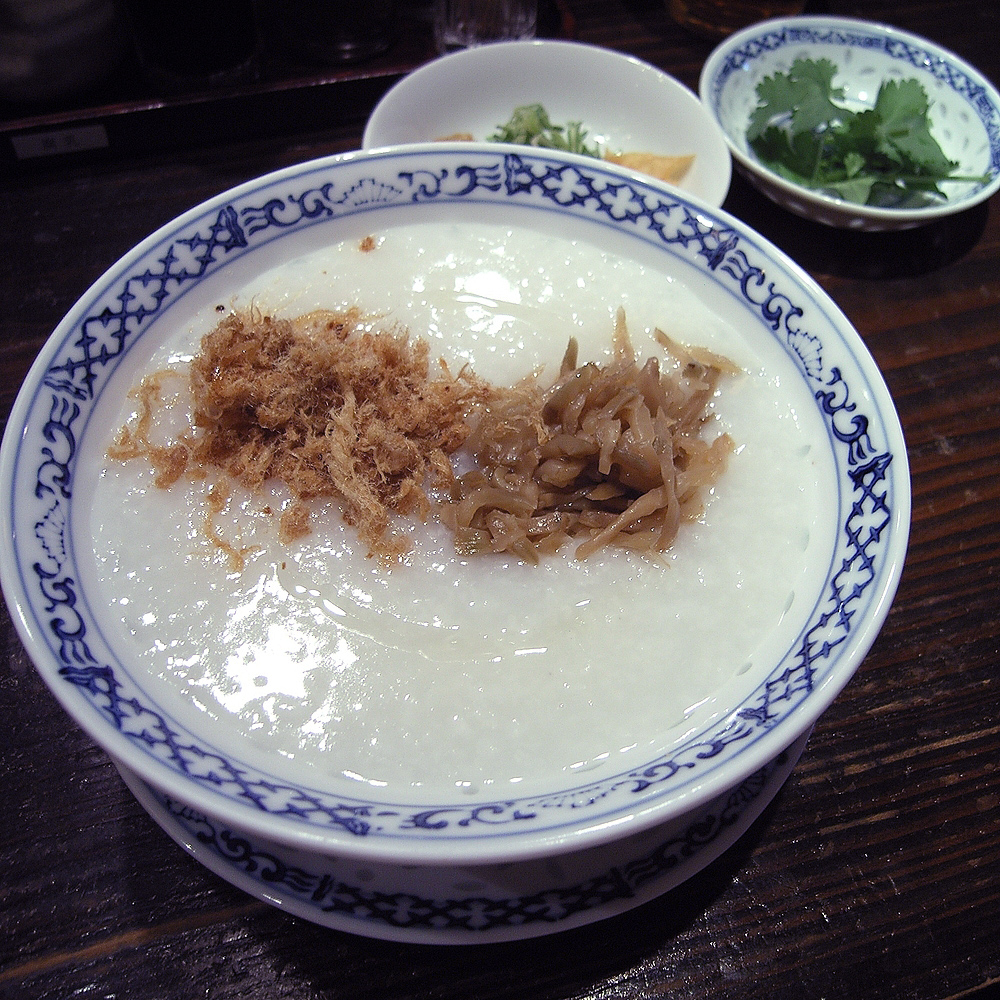 CongeeRice simmered in water to make a soft, comforting porridge
Also part of it, and being written: Rice noodle roll, Lo mai gai, Turnip cake.
Sources and further reading
- Yum cha on Wikipedia
- Hong Kong Intangible Cultural Heritage Office
- UNESCO Intangible Cultural Heritage: Traditional tea processing techniques and associated social practices in China
Original text by the Thali desk, written with AI assistance and checked against the sources above. Customs vary from place to place. If we have something wrong, tell us.
Photo credits on this page
The small pictures above come from Wikimedia Commons under free licences. Some are cropped to fit.
- Har gow: sfllaw of Flickr, CC BY-SA 2.0, source
- Egg tart: Homkinsming, CC BY-SA 3.0, source
- Spring roll: No machine-readable author provided. Rose SP Ring~commonswiki assumed, CC BY-SA 3.0, source
- Shumai: Kent Wang, CC BY-SA 2.0, source
- Cha siu bao: Takeaway, CC BY-SA 3.0, source
- Congee: Daiju Azuma, CC BY-SA 2.5, source
- Chicken feet: User:Anna Frodesiak, Public domain, source