Courses and styles of service
The French gastronomic meal
The French festive meal in a fixed order: apéritif, starter, main dish, cheese, dessert and digestif, with wine matched to each.
Presented by ClearTrust Free for cooks, travellers and the curious.
The French meal is a structure as much as a cuisine. Courses come one at a time in a known order, cheese comes before dessert, and wine is chosen to suit the food. In 2010 UNESCO added the gastronomic meal of the French to its list of intangible heritage, as a custom for marking the important moments of life.
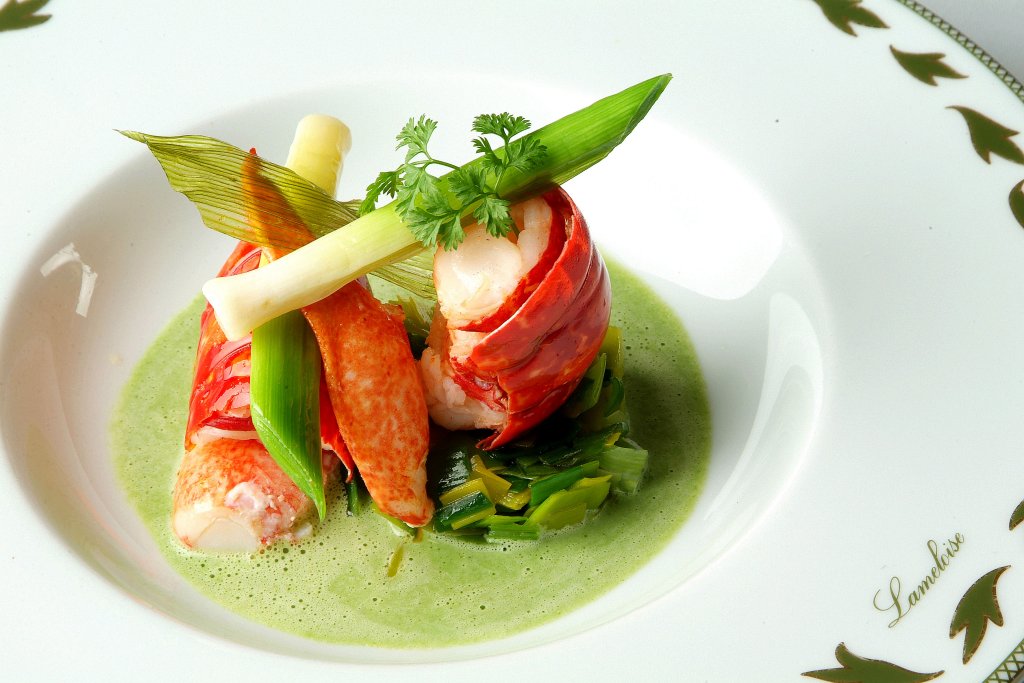
What it is
The full festive form begins with an apéritif, a drink and a few small bites taken before sitting down. At the table there are at least four courses: a starter, a dish of fish or meat with vegetables, cheese, and dessert. A grand meal may have both fish and meat. It ends with coffee and sometimes a digestif, a glass of brandy or liqueur. The table is laid with care, and the pairing of each dish with a wine is part of the plan.
Everyday versions
Ordinary meals follow the same shape in smaller form. A weekday restaurant lunch is offered as a formule or menu: starter and main, or main and dessert, at a set price. The plat du jour, the dish of the day, is the one thing the kitchen has cooked fresh in quantity and is usually the best value. In Lyon, small traditional restaurants called bouchons serve hearty local dishes of pork, offal and pike dumplings at shared tables.
How it works
Lunch is served from about noon to two and dinner from about seven thirty. Outside those hours many kitchens are closed. Bread is put on the table without being asked for, and tap water in a carafe is free on request. Courses are not rushed, and the table is yours for the sitting. Cheese is offered from a board or trolley, and you choose a few. The bill is not brought until you ask.
How to do it
- Greet the staff with bonjour or bonsoir when you walk in.
- Look for the set menu or the plat du jour on the board.
- Order all savoury courses at once. Dessert is ordered later.
- Ask for une carafe d'eau if you want free tap water.
- Ask for l'addition when you are ready to leave.
Good manners
- Keep bread on the tablecloth beside your plate, not on the plate.
- Keep both hands visible, with wrists resting on the table.
- Do not ask for the cheese and dessert to come together.
What is eaten
 Pot-au-feuFrench boiled meat and vegetable stew served in two courses
 Coq au vinFrench chicken braised slowly in red wine with lardons and mushrooms
 Blanquette de veauFrench veal stew in a creamy white sauceBeef bourguignonFrench beef stew simmered in red wine with onions, mushrooms and herbs
 QuenelleSoft dumplings of creamed fish or meat, shaped and poached
 Tarte TatinFrench upside-down tart with caramelized apples and pastry
 Crème brûléeRich vanilla custard with a brittle caramelized sugar top
 RatatouilleA Provençal stew of summer vegetables cooked in olive oil
 Gratin dauphinoisThinly sliced raw potatoes baked slowly in cream from Dauphiné, France
 Sole meunièreSole fish floured, fried in butter, and finished with lemon and parsley
Sources and further reading
- French cuisine on Wikipedia
- UNESCO Intangible Cultural Heritage: Gastronomic meal of the French
- France.fr: official tourism site of France
Original text by the Thali desk, written with AI assistance and checked against the sources above. Customs vary from place to place. If we have something wrong, tell us.
Photo credits on this page
The small pictures above come from Wikimedia Commons under free licences. Some are cropped to fit.
- Sole meunière: Jay Cross, CC BY 2.0, source
- Coq au vin: Breville USA, CC BY 2.0, source
- Crème brûlée: Takeaway, CC BY-SA 3.0, source
- Tarte Tatin: Joanbanjo, CC BY-SA 4.0, source
- Pot-au-feu: Muesse, CC BY-SA 4.0, source
- Quenelle: stu_spivack, CC BY-SA 2.0, source
- Gratin dauphinois: Ludovic Péron, CC BY-SA 3.0, source
- Blanquette de veau: Arnaud 25, CC BY-SA 4.0, source
- Ratatouille: Marcus Guimarães, CC BY 2.0, source