
Berkoukes
In its own language: ⵜⴰⴱⵔⴽⵓⴽⵙⵜ
Large hand-rolled semolina pasta cooked in a spiced vegetable stew
Berkoukes is a North African dish made with round, hand-shaped semolina pasta simmered in a broth of vegetables, legumes, and spices. It is especially common in Algeria, Tunisia, and some Moroccan regions, and is often served at family gatherings or during religious celebrations.
- Made with large, hand-rolled semolina pasta
- Often cooked with chickpeas, vegetables, and spices
- Served hot, especially in winter and at family gatherings
- Known by several names, including aïch and avazine
- Mentioned in medieval North African and Andalusian texts
What is Berkoukes?
Berkoukes features large, round pasta pieces made from semolina, shaped by hand and resembling small beads. These are cooked in a thick, savory stew that usually includes tomatoes, carrots, zucchini, potatoes, and chickpeas. The dish is seasoned with a mix of spices such as cumin, paprika, cinnamon, garlic, and bay leaves. Sometimes lamb or chicken is added, but it can also be made vegetarian. The result is a hearty, warming meal with a rich aroma and a satisfying, chewy texture from the pasta.
Where does Berkoukes come from?
The roots of berkoukes go back centuries in North Africa, where making pasta by hand was a common tradition. Medieval texts from the Maghreb and Arab-Andalusian regions mention a variety of pastas, including berkoukes. A 13th-century food writer, Ibn Razin Tujibi, described these preparations in detail. The dish has long been valued for its ability to nourish and its flexibility with local ingredients, reflecting the diverse food culture of the region.
How is Berkoukes made?
To make berkoukes, coarse semolina is mixed with water and a little flour, then rolled by hand into small, round granules. These can be dried for later use or cooked fresh. The pasta is simmered in a tomato-based broth with vegetables and chickpeas, and sometimes meat. Spices and aromatics are added to build flavor. The pasta is added near the end so it soaks up the broth and stays tender.
How and when is Berkoukes eaten?
This dish is usually served hot for lunch or dinner, often as a main course. It is a popular choice for family meals and is especially favored in colder months for its warming qualities. Berkoukes is also prepared for religious events like Ramadan, and during gatherings or special occasions. It can be enjoyed with or without meat, making it adaptable to different dietary needs.
Kinds of Berkoukes
Different regions and families have their own ways of making berkoukes. Some versions use lamb or chicken, while others are entirely vegetarian. The mix of vegetables and spices can vary according to what is available or preferred locally. In Berber-speaking areas, the dish may go by names like aïch or Taberkukest, and the size of the pasta granules can differ.
What Berkoukes means
Berkoukes is more than just a meal; it is a dish that brings people together, especially during festive times and religious observances. Its preparation is often a communal activity, and it is seen as a symbol of hospitality and comfort. The dish is also recommended in winter for its nourishing and warming properties.
When Berkoukes is on the table
Questions people ask about Berkoukes
What is berkoukes made of?
Berkoukes is made from coarse semolina rolled into large, round pasta pieces, cooked in a stew with vegetables, chickpeas, spices, and sometimes lamb or chicken.
Where does berkoukes come from?
Berkoukes originates from North Africa, with strong roots in Algeria, Tunisia, and some parts of Morocco.
Is berkoukes always made with meat?
No, berkoukes can be prepared with lamb or chicken, but it is also commonly made as a vegetarian dish using only legumes and vegetables.
When is berkoukes usually eaten?
It is typically served hot for lunch or dinner, and is especially popular during family gatherings and religious occasions like Ramadan.
How is the pasta in berkoukes different from couscous?
The pasta in berkoukes is much larger and rounder than regular couscous, and is shaped by hand from semolina.
Good reading and sources
- Berkoukes (dish) on WikipediaEncyclopedia
- More photos on Wikimedia CommonsPhotos
- Wikidata recordOpen data
The facts on this page come from the Wikipedia article "Berkoukes (dish)", written by its contributors and used under the CC BY-SA 4.0 licence, and from its Wikidata record (CC0). Thali rewrote the text in its own words, with AI assistance, and compares every page with the article to make sure no passage is copied. It may be reused under the same CC BY-SA 4.0 licence with a link back.
It may contain mistakes, and it is not dietary or allergy advice: recipes differ from cook to cook. If something is wrong, tell us. Last refreshed 2026-10-03.
More from Algeria
All the food of Algeria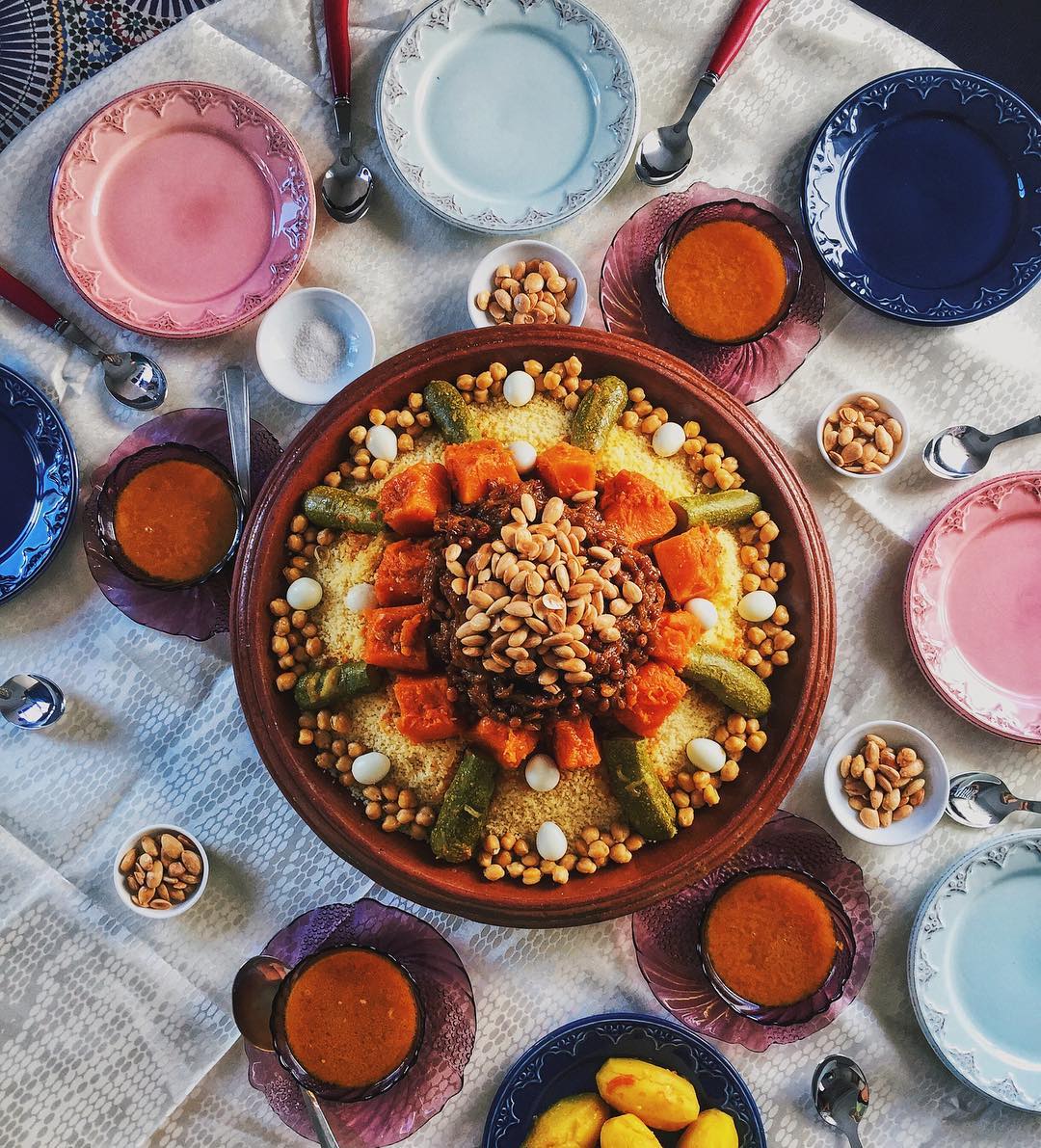 Couscousseksu
🇩🇿 Algeria and 4 moreSteamed semolina granules served with stew or vegetables across North Africa
Main dish, Lunch, Dinner
Couscousseksu
🇩🇿 Algeria and 4 moreSteamed semolina granules served with stew or vegetables across North Africa
Main dish, Lunch, Dinner
 RechtaMeatرشتة
🇩🇿 Algeria and 1 moreAlgerian handmade noodles served with chicken and vegetables in a spiced sauce
Main dish, Lunch, Dinner
RechtaMeatرشتة
🇩🇿 Algeria and 1 moreAlgerian handmade noodles served with chicken and vegetables in a spiced sauce
Main dish, Lunch, Dinner
 Börek
🇹🇷 Turkey and 5 moreFlaky pastry filled with cheese, meat or vegetables, baked or fried
Pie or savoury pastry, Breakfast, Lunch
Börek
🇹🇷 Turkey and 5 moreFlaky pastry filled with cheese, meat or vegetables, baked or fried
Pie or savoury pastry, Breakfast, Lunch
 ShakshukaVegetarian
🇹🇳 Tunisia and 5 moreEggs poached in a spiced tomato and pepper sauce from North Africa
Main dish, Breakfast, Dinner
ShakshukaVegetarian
🇹🇳 Tunisia and 5 moreEggs poached in a spiced tomato and pepper sauce from North Africa
Main dish, Breakfast, Dinner
Its cousins elsewhere
All main dishes Freekehفريكة
🇵🇸 Palestine and 5 moreRoasted green durum wheat grains, a staple across the eastern Mediterranean
Main dish, Lunch, Dinner
Freekehفريكة
🇵🇸 Palestine and 5 moreRoasted green durum wheat grains, a staple across the eastern Mediterranean
Main dish, Lunch, Dinner
 Shami kebabMeatشامی کباب
🇮🇳 India and 2 moreMinced meat and chickpea patties, shallow-fried and spiced
Main dish, Snacks, Lunch
Shami kebabMeatشامی کباب
🇮🇳 India and 2 moreMinced meat and chickpea patties, shallow-fried and spiced
Main dish, Snacks, Lunch
 SaleegMeatسليق
🇸🇦 Saudi ArabiaRice cooked with broth and milk, topped with roasted meat from western Saudi Arabia
Main dish, Lunch, Dinner
SaleegMeatسليق
🇸🇦 Saudi ArabiaRice cooked with broth and milk, topped with roasted meat from western Saudi Arabia
Main dish, Lunch, Dinner
 Doner kebab
🇹🇷 Turkey and 5 moreMeat roasted on a vertical spit, sliced and served in bread or on a plate
Main dish, Lunch, Dinner
Doner kebab
🇹🇷 Turkey and 5 moreMeat roasted on a vertical spit, sliced and served in bread or on a plate
Main dish, Lunch, Dinner