
Beyaz peynir
A brined white cheese from Turkey, made from sheep, cow or goat milk
Beyaz peynir is a white brined cheese from Turkey, made using sheep, cow, or goat milk. It has a slightly grainy texture and can be eaten fresh or matured, often appearing at breakfast, in salads, or cooked dishes like börek and menemen.
- Made from sheep, cow, or goat milk
- Stored and matured in salty brine
- A key part of traditional Turkish breakfast
- Texture ranges from soft to firm
- Used in dishes like börek and menemen
What is Beyaz peynir?
Beyaz peynir is a white cheese from Turkey, usually made from sheep, cow, or goat milk. It is a brined cheese, meaning it is stored in salty water, which helps preserve it and gives a distinct salty taste. The texture is slightly grainy, and the cheese can range from soft and mild to firm and tangy, depending on how long it is aged. It is similar to other regional cheeses like feta or sirene, and is often cut into blocks.
Where does Beyaz peynir come from?
Beyaz peynir comes from Turkey and is a staple in Turkish cuisine. Its production method is similar to other white cheeses found in the Balkans and the eastern Mediterranean, such as feta and lighvan. The cheese is traditionally made with unpasteurized milk, and its history is closely tied to Turkish dairy practices, though the sources do not give a specific origin story or date.
How is Beyaz peynir made?
To make beyaz peynir, sheep, cow, or goat milk is curdled using vegetable rennet. The resulting curds are pressed, chopped, and strained to remove excess whey. The curds are then cut into blocks, salted, and placed in a brine solution, where they mature for up to six months. The cheese can be eaten fresh or after aging, which affects its flavor and firmness.

How and when is Beyaz peynir eaten?
Beyaz peynir is a regular part of Turkish meals, especially breakfast, where it is served plain alongside bread, olives, and vegetables. It is also used in salads and cooked dishes such as menemen (a tomato and egg dish), börek (a filled pastry), gözleme (a stuffed flatbread), and pide (a type of Turkish flatbread). The cheese is usually served cold or at room temperature.
Kinds of Beyaz peynir
There are several styles of beyaz peynir, from fresh, soft curds to more mature, strong-tasting versions. The milk used can vary—sheep, cow, or goat—resulting in subtle differences in taste and texture. Some versions are eaten soon after production, while others are left to mature in brine for a more pronounced flavor.
What Beyaz peynir means
Beyaz peynir is a central part of Turkish food culture, especially at breakfast. It is valued for its versatility and is found in many home and restaurant dishes. The cheese is not tied to any specific festival or religious occasion, but is a daily staple across Turkey.
Questions people ask about Beyaz peynir
What is beyaz peynir made of?
Beyaz peynir is made from sheep, cow, or goat milk, with vegetable rennet used to curdle the milk. The curds are salted and matured in brine.
Where does beyaz peynir come from?
Beyaz peynir comes from Turkey and is a common cheese in Turkish cuisine, similar to other white cheeses in the region.
How is beyaz peynir usually eaten?
It is often eaten plain at breakfast, added to salads, or used in cooked foods like menemen, börek, gözleme, and pide.
What does beyaz peynir taste like?
The cheese has a slightly grainy texture and a salty flavor, which can be mild or strong depending on how long it is aged.
Is beyaz peynir always made from sheep milk?
No, beyaz peynir can be made from sheep, cow, or goat milk, or a mixture of these, resulting in different flavors and textures.
Good reading and sources
The facts on this page come from the Wikipedia article "Beyaz peynir", written by its contributors and used under the CC BY-SA 4.0 licence, and from its Wikidata record (CC0). Thali rewrote the text in its own words, with AI assistance, and compares every page with the article to make sure no passage is copied. It may be reused under the same CC BY-SA 4.0 licence with a link back.
It may contain mistakes, and it is not dietary or allergy advice: recipes differ from cook to cook. If something is wrong, tell us. Last refreshed 2026-10-03.
More from Turkey
All the food of Turkey Strained yogurt
🇬🇷 Greece and 5 moreYogurt thickened by straining out most of its whey
Sauce, pickle or ferment, Breakfast, Snacks
Strained yogurt
🇬🇷 Greece and 5 moreYogurt thickened by straining out most of its whey
Sauce, pickle or ferment, Breakfast, Snacks
 Kashk
🇮🇷 Iran and 6 moreDried or fermented dairy, sometimes with grain, shaped and stored for later use
Cheese or dairy food
Kashk
🇮🇷 Iran and 6 moreDried or fermented dairy, sometimes with grain, shaped and stored for later use
Cheese or dairy food
 KasseriVegetarianκασέρι
🇬🇷 Greece and 2 moreA semi-hard Greek cheese made from sheep’s milk, stretched and aged for months
Cheese or dairy food
KasseriVegetarianκασέρι
🇬🇷 Greece and 2 moreA semi-hard Greek cheese made from sheep’s milk, stretched and aged for months
Cheese or dairy food
 Tulum cheeseVegetariantulum peyniri
🇹🇷 TurkeyTurkish goat’s milk cheese aged in an animal skin casing
Cheese or dairy food
Tulum cheeseVegetariantulum peyniri
🇹🇷 TurkeyTurkish goat’s milk cheese aged in an animal skin casing
Cheese or dairy food
Its cousins elsewhere
All cheese and dairy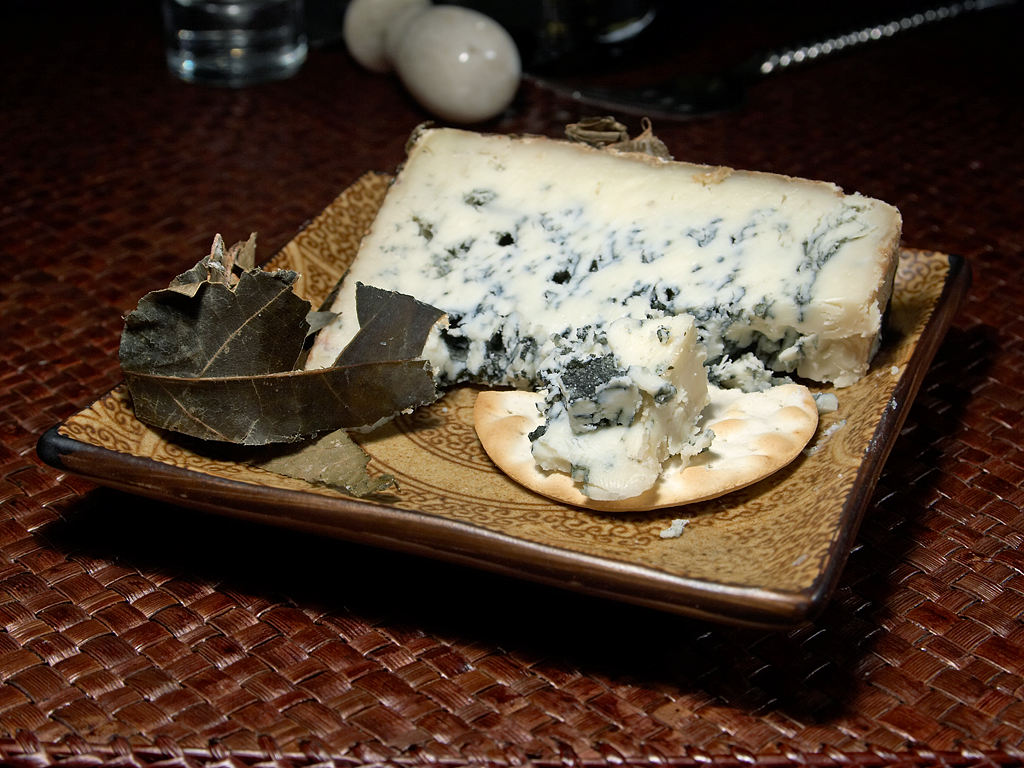 Cabrales cheese
🇪🇸 SpainBlue cheese from Asturias aged in mountain caves
Cheese or dairy food
Cabrales cheese
🇪🇸 SpainBlue cheese from Asturias aged in mountain caves
Cheese or dairy food
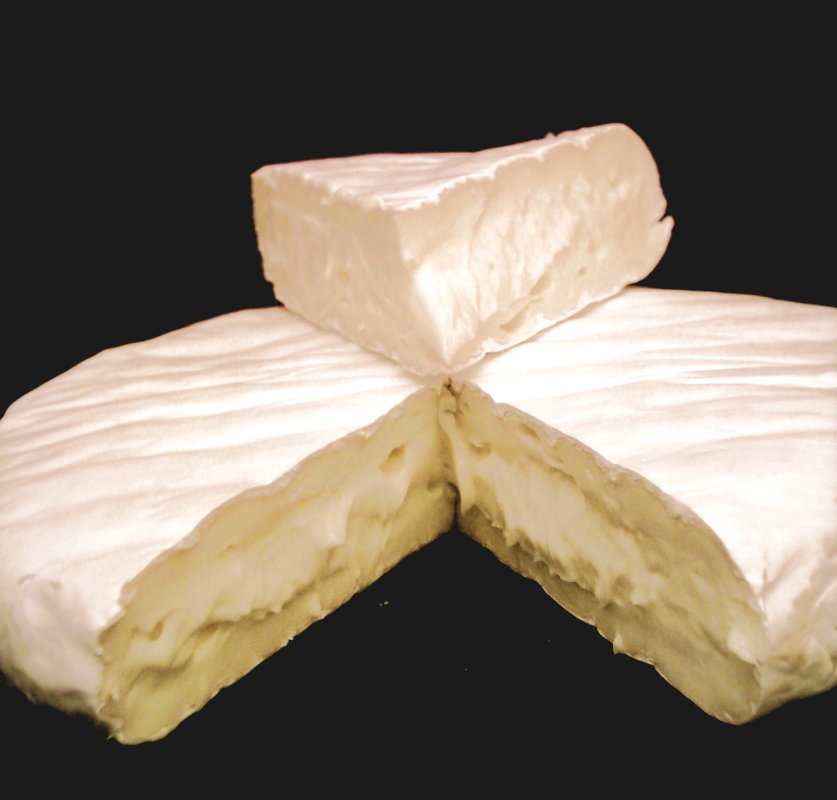 CamembertVegetarian
🇫🇷 FranceSoft, creamy cow’s milk cheese with a white, edible rind from Normandy
Cheese or dairy food
CamembertVegetarian
🇫🇷 FranceSoft, creamy cow’s milk cheese with a white, edible rind from Normandy
Cheese or dairy food
 FetaVegetarianφέτα
🇬🇷 GreeceGreek white cheese aged in brine, made from sheep and goat milk
Cheese or dairy food
FetaVegetarianφέτα
🇬🇷 GreeceGreek white cheese aged in brine, made from sheep and goat milk
Cheese or dairy food
 ManchegoVegetarianqueso manchego
🇪🇸 SpainFirm sheep’s milk cheese from La Mancha, aged from two months to two years
Cheese or dairy food
ManchegoVegetarianqueso manchego
🇪🇸 SpainFirm sheep’s milk cheese from La Mancha, aged from two months to two years
Cheese or dairy food