
Bulalo
Beef shank and bone marrow simmered in a clear broth with vegetables
Bulalo is a Filipino soup made by simmering beef shanks and bone marrow until tender, producing a light, rich broth. Native to Southern Luzon, especially Batangas and Cavite, it often includes cabbage, corn, and other vegetables, and is usually served hot with rice.
- Made by simmering beef shank and bone marrow until tender
- Native to Batangas and Cavite in Southern Luzon
- Vegetables like cabbage and corn are commonly added
- Served hot with rice, often with soy sauce and calamansi
- Distinct from nilagang baka by its use of bone marrow
What is Bulalo?
Bulalo is a soup from the Philippines, made by simmering beef shanks and bone marrow until the broth becomes rich and light in color. The dish often includes leafy greens like cabbage or pechay, corn on the cob, onions, garlic, ginger, and fish sauce for flavor. Sometimes potatoes, carrots, or taro are added. The marrow inside the bone is the highlight, giving the soup a deep, savory taste and a silky texture. The vegetables add sweetness and freshness to the broth.
Where does Bulalo come from?
Bulalo comes from Southern Luzon, especially the provinces of Batangas and Cavite. It is a pre-colonial Filipino dish, with its name taken from the Tagalog word for bone marrow. Originally, bulalo was made without vegetables or starchy additions, focusing on the flavor from the beef and marrow. Over time, vegetables became common in the dish. Bulalo is set apart from similar Filipino beef soups by its use of bone marrow, which gives it a distinct character.
How is Bulalo made?
To make bulalo, beef shanks with the bone and marrow are simmered slowly in water. As the meat cooks, collagen and fat melt into the broth, making it rich and flavorful. Once the beef is tender, vegetables such as cabbage, corn on the cob, and sometimes potatoes or carrots are added. Fish sauce, onions, garlic, and ginger season the soup. The dish is cooked until the vegetables are just soft and the flavors have blended.

How and when is Bulalo eaten?
Bulalo is usually served hot as a main dish for lunch or dinner. It is commonly paired with steamed rice. Diners may add soy sauce and calamansi (a local citrus fruit) on the side for extra flavor. The bone marrow is often scooped out and eaten with the soup or rice. Bulalo is enjoyed both at home and in restaurants, especially in places known for the dish.
Kinds of Bulalo
While bulalo is most closely associated with Batangas and Cavite, similar beef soups exist in other Philippine regions. In Western Visayas, cansi is a related dish but is soured with batuan fruit. The Waray people have pakdol, and the Cebuanos make pochero, both beef soups with regional twists. Modern bulalo recipes often include more vegetables than the original version.
What Bulalo means
Bulalo is a familiar comfort food in the Philippines and is especially popular in the Southern Luzon area. It is a common offering in roadside eateries and specialty restaurants, particularly in Batangas. The dish is often enjoyed during cooler weather or as a hearty meal for gatherings. Its use of bone marrow sets it apart and is a point of pride for those who make and serve it.
Questions people ask about Bulalo
What is bulalo made of?
Bulalo is made from beef shanks and bone marrow, simmered with water to create a rich broth. Vegetables such as cabbage, corn, onions, garlic, and sometimes potatoes or carrots are added, along with fish sauce for seasoning.
Where does bulalo come from?
Bulalo comes from the Southern Luzon region of the Philippines, especially the provinces of Batangas and Cavite. It is a traditional Filipino dish with pre-colonial roots.
How is bulalo different from nilagang baka?
Bulalo uses beef shanks with bone marrow, which gives the soup its unique flavor and texture. Nilagang baka is a similar beef soup but does not include bone marrow, using only meaty and fatty cuts of beef.
How is bulalo served?
Bulalo is served hot, usually as a main dish for lunch or dinner. It is commonly eaten with rice, and diners may add soy sauce and calamansi on the side for extra flavor.
What vegetables are added to bulalo?
Common vegetables in bulalo include cabbage, Chinese cabbage, corn on the cob, potatoes, carrots, and sometimes taro. The selection can vary by recipe and region.
Good reading and sources
The facts on this page come from the Wikipedia article "Bulalo", written by its contributors and used under the CC BY-SA 4.0 licence, and from its Wikidata record (CC0). Thali rewrote the text in its own words, with AI assistance, and compares every page with the article to make sure no passage is copied. It may be reused under the same CC BY-SA 4.0 licence with a link back.
It may contain mistakes, and it is not dietary or allergy advice: recipes differ from cook to cook. If something is wrong, tell us. Last refreshed 2026-10-03.
More from the Philippines
All the food of the Philippines SpaghettiVegan
🇮🇹 Italy and 2 moreLong, thin pasta strands made from durum wheat and water
Noodle or pasta dish, Lunch, Dinner
SpaghettiVegan
🇮🇹 Italy and 2 moreLong, thin pasta strands made from durum wheat and water
Noodle or pasta dish, Lunch, Dinner
 Paella
🇪🇸 Spain and 1 moreRice cooked with meat, seafood or vegetables in a wide shallow pan from Valencia
Main dish, Lunch
Paella
🇪🇸 Spain and 1 moreRice cooked with meat, seafood or vegetables in a wide shallow pan from Valencia
Main dish, Lunch
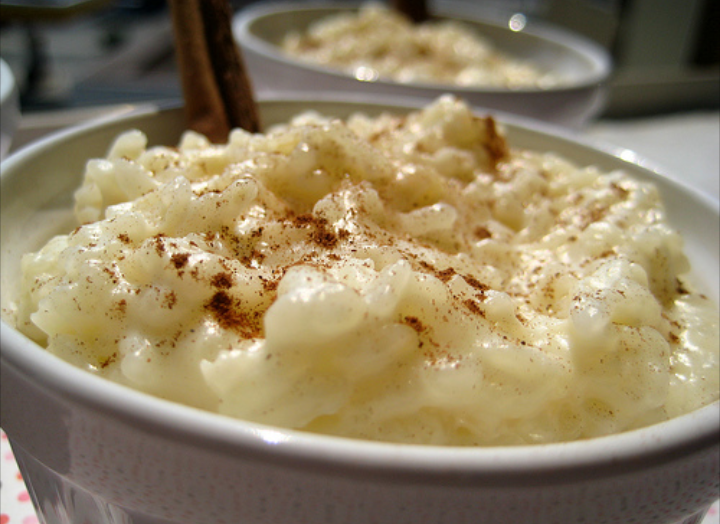 Rice pudding
🇮🇳 India and 4 moreSweetened rice cooked in milk, found in many forms worldwide
Sweet or dessert, Breakfast, Lunch
Rice pudding
🇮🇳 India and 4 moreSweetened rice cooked in milk, found in many forms worldwide
Sweet or dessert, Breakfast, Lunch
 Oxtail stewMeat
🇮🇹 Italy and 4 moreStew made with oxtail, found in many world cuisines
Stew or curry, Lunch, Dinner
Oxtail stewMeat
🇮🇹 Italy and 4 moreStew made with oxtail, found in many world cuisines
Stew or curry, Lunch, Dinner
Its cousins elsewhere
All soups Sancocho
🇩🇴 Dominican Republic and 5 moreA hearty stew of meat, tubers and vegetables in a rich broth
Soup, Lunch, Dinner
Sancocho
🇩🇴 Dominican Republic and 5 moreA hearty stew of meat, tubers and vegetables in a rich broth
Soup, Lunch, Dinner
 Caldo de polloMeat
🇲🇽 MexicoMexican chicken soup with large pieces of meat and vegetables
Soup, Lunch, Dinner
Caldo de polloMeat
🇲🇽 MexicoMexican chicken soup with large pieces of meat and vegetables
Soup, Lunch, Dinner
 Borscht
🇺🇦 Ukraine and 5 moreA sour soup of beetroot and vegetables, served hot or cold across Eastern Europe
Soup, Lunch, Dinner
Borscht
🇺🇦 Ukraine and 5 moreA sour soup of beetroot and vegetables, served hot or cold across Eastern Europe
Soup, Lunch, Dinner
 GoulashMeatgulyás
🇭🇺 Hungary and 5 moreA paprika-spiced meat and vegetable soup from Hungary
Soup, Lunch, Dinner
GoulashMeatgulyás
🇭🇺 Hungary and 5 moreA paprika-spiced meat and vegetable soup from Hungary
Soup, Lunch, Dinner