
Coffee ceremony
In its own language: ቡና ማፍላት
A social ritual of roasting, brewing and sharing coffee in Ethiopia and Eritrea
The coffee ceremony is a daily tradition in Ethiopia and Eritrea, where coffee is roasted, ground, and brewed in front of guests. The process is a key part of social life, bringing together family, friends, and neighbors to share conversation and hospitality, often accompanied by snacks and incense.
- Coffee beans are roasted and ground fresh for each ceremony
- The ritual is performed daily and for special occasions
- Coffee is poured in three rounds, each with a unique name
- Incense and flowers are used to decorate and scent the space
What is Coffee ceremony?
The coffee ceremony is a central part of social gatherings in Ethiopia and Eritrea. Green coffee beans are roasted over a flame, ground by hand, and brewed for guests. The process is performed in front of everyone, filling the room with the scent of freshly roasted coffee. The coffee is poured into small cups without handles, and the host often adds sugar, or sometimes salt or butter, depending on local custom. The setting is made festive with grass and flowers on the floor, and incense may be burned. Snacks such as popcorn or sweet bread are often served alongside.
Where does Coffee ceremony come from?
This ceremony has deep roots in Ethiopian and Eritrean culture, where coffee is thought to have originated. It is a daily event in many homes, but also marks special occasions and holidays like Meskel. The tradition is closely tied to hospitality and community, with the act of preparing and sharing coffee considered a sign of respect and friendship. Over time, the ceremony has become a symbol of national identity for both countries.
How is Coffee ceremony made?
The host, usually a woman, starts by roasting green coffee beans in a pan over an open flame. The beans are then ground using a wooden mortar and pestle. The ground coffee is sifted several times before being added to boiling water in a clay pot called a jebena. The pot has a round base, long neck, and spout, and is covered with a straw lid. The coffee is brewed and poured from a height into small cups, often in three rounds, each with its own name.

How and when is Coffee ceremony eaten?
The ceremony is both a daily and festive event, bringing together relatives, neighbors, or visitors. Guests are offered coffee, and if they decline, tea may be served instead. The coffee is enjoyed with small snacks like popcorn, peanuts, or sweet bread. The ritual is enhanced by the aroma of roasting beans and burning incense, creating a welcoming atmosphere for conversation and connection.
Kinds of Coffee ceremony
While the core steps remain the same, details can vary by region or occasion. In rural areas, salt or traditional butter may be added instead of sugar. The ceremony is also adapted for holidays, with extra decorations like yellow flowers for Meskel. The names for each round of coffee differ between languages, reflecting the diversity within the tradition.
What Coffee ceremony means
The coffee ceremony is more than just a way to prepare a drink; it is a symbol of hospitality and togetherness. It marks both everyday life and special celebrations, and is a point of pride for Ethiopians and Eritreans. The ritual is passed down through generations, reinforcing community bonds and cultural identity.
When Coffee ceremony is on the table
Questions people ask about Coffee ceremony
What is the coffee ceremony made of?
The ceremony uses green coffee beans, which are roasted, ground, and brewed with water. Sugar, salt, or butter may be added, and snacks like popcorn or sweet bread are often served.
Where does the coffee ceremony come from?
It is a traditional practice from Ethiopia and Eritrea, where it is an important part of daily and festive life.
How is the coffee prepared during the ceremony?
Beans are roasted over a flame, ground by hand, and brewed in a clay pot. The coffee is poured into small cups for guests.
When is the coffee ceremony held?
It is performed daily in many homes and also during festivals and special gatherings, such as the holiday Meskel.
What makes the coffee ceremony special?
It is a social event that brings people together, with a focus on hospitality, conversation, and tradition.
Good reading and sources
- Coffee ceremony of Ethiopia and Eritrea on WikipediaEncyclopedia
- More photos on Wikimedia CommonsPhotos
- Wikidata recordOpen data
The facts on this page come from the Wikipedia article "Coffee ceremony of Ethiopia and Eritrea", written by its contributors and used under the CC BY-SA 4.0 licence, and from its Wikidata record (CC0). Thali rewrote the text in its own words, with AI assistance, and compares every page with the article to make sure no passage is copied. It may be reused under the same CC BY-SA 4.0 licence with a link back.
It may contain mistakes, and it is not dietary or allergy advice: recipes differ from cook to cook. If something is wrong, tell us. Last refreshed 2026-10-03.
More from Ethiopia
All the food of Ethiopia CoffeeVegan
🇾🇪 Yemen and 5 moreA dark, bitter drink made by brewing roasted coffee beans
Drink, Breakfast, Snacks
CoffeeVegan
🇾🇪 Yemen and 5 moreA dark, bitter drink made by brewing roasted coffee beans
Drink, Breakfast, Snacks
 SiwaVeganሰዋ
🇪🇹 Ethiopia and 1 moreHome-brewed Ethiopian and Eritrean beer made from toasted bread and gesho leaves
Drink
SiwaVeganሰዋ
🇪🇹 Ethiopia and 1 moreHome-brewed Ethiopian and Eritrean beer made from toasted bread and gesho leaves
Drink
 TellaVeganጠላ
🇪🇹 Ethiopia and 2 moreEthiopian beer brewed from grains and local plants
Drink
TellaVeganጠላ
🇪🇹 Ethiopia and 2 moreEthiopian beer brewed from grains and local plants
Drink
 Tej
🇪🇹 Ethiopia and 1 moreEthiopian and Eritrean honey wine fermented with gesho leaves
Drink
Tej
🇪🇹 Ethiopia and 1 moreEthiopian and Eritrean honey wine fermented with gesho leaves
Drink
Its cousins elsewhere
All drinks TeaVegan茶
🇨🇳 China and 5 moreA drink made by soaking tea leaves in hot or cold water
Drink
TeaVegan茶
🇨🇳 China and 5 moreA drink made by soaking tea leaves in hot or cold water
Drink
 VodkaVeganwódka
🇷🇺 Russia and 5 moreA clear spirit distilled from grains or potatoes, known for its neutral taste
Drink
VodkaVeganwódka
🇷🇺 Russia and 5 moreA clear spirit distilled from grains or potatoes, known for its neutral taste
Drink
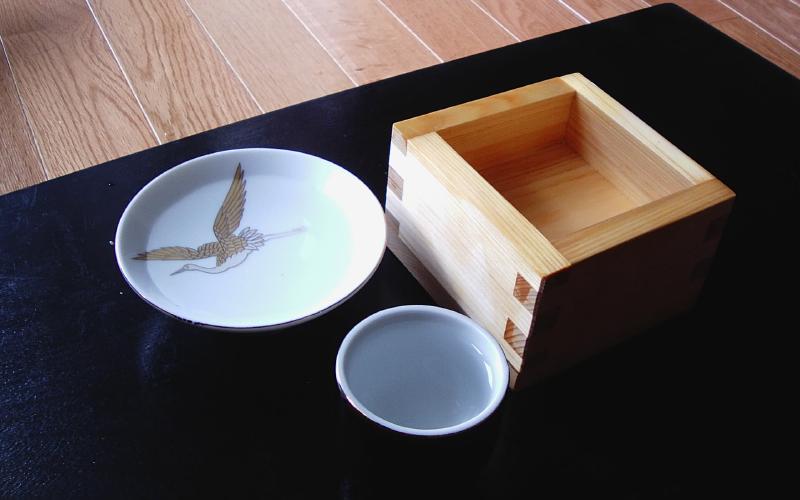 SakeVegan酒
🇯🇵 JapanJapanese alcoholic drink brewed from polished rice and kōji mold
Drink
SakeVegan酒
🇯🇵 JapanJapanese alcoholic drink brewed from polished rice and kōji mold
Drink
 KvassVeganквас
🇷🇺 Russia and 5 moreA tangy, slightly sweet fermented drink made from rye bread or flour
Drink
KvassVeganквас
🇷🇺 Russia and 5 moreA tangy, slightly sweet fermented drink made from rye bread or flour
Drink