Mbege
Mildly alcoholic banana and millet drink from Tanzania's Chagga people
Mbege is a traditional fermented drink made by the Chagga people of Tanzania’s Kilimanjaro region. It is prepared from bananas and finger millet, producing a mildly alcoholic beverage with a sweet taste and a sour finish. Making mbege involves several days of manual work and natural fermentation.
- Made from fermented bananas and finger millet
- Traditional to the Chagga people of Kilimanjaro, Tanzania
- Alcohol content ranges from 1–3%
- Preparation takes several days and is done by hand
- Has a sweet taste with a slightly sour aftertaste
What is Mbege?
Mbege is a traditional drink with a cloudy appearance, made by fermenting bananas and adding a thick porridge of finger millet flour. The drink is mildly alcoholic, with an alcohol content between 1 and 3 percent. Its taste starts out sweet from the bananas, then develops a slightly sour aftertaste. The process gives mbege a unique mix of flavors and a rustic, homemade character. It is usually enjoyed as a local beverage among the Chagga people.
Where does Mbege come from?
Mbege comes from the Chagga ethnic group in Tanzania’s Kilimanjaro region. It is considered a heritage beer of the Chagga, reflecting their long-standing traditions of fermentation and communal drinking. The drink’s preparation methods have been passed down through generations, relying on manual techniques and local ingredients. While its exact origins are not detailed, mbege remains a symbol of Chagga culture and hospitality.
How is Mbege made?
To make mbege, ripe bananas are mashed and cooked over a fire for several hours. The mixture is then left to ferment outdoors for up to a week. After fermentation, the liquid is strained through shredded grass and banana leaves. A thick porridge made from finger millet flour and water is added, along with a small amount of quinine bark flour to balance the sweetness. The mixture sits for another day before it is ready to drink.
How and when is Mbege eaten?
Mbege is consumed as a beverage rather than eaten, often shared in social settings among the Chagga people. It is not tied to a particular meal or time of day. The drink is typically served in communal gatherings, where people may drink it together from shared vessels. Its low alcohol content makes it suitable for casual drinking.
Kinds of Mbege
The sources do not describe specific regional or modern variations of mbege. However, the alcohol content can vary depending on how long it is fermented, ranging from 1 to 3 percent. The process and ingredients may differ slightly from household to household, reflecting local preferences and available resources.
What Mbege means
Mbege is deeply rooted in the traditions of the Chagga people and is considered a heritage beverage. It is made by hand, using methods that have changed little over time. The drink is a part of daily life and social gatherings in the Kilimanjaro region. Mbege has also drawn attention outside Tanzania, being featured on international television as an example of unique local drinks.
Questions people ask about Mbege
What is mbege made of?
Mbege is made from bananas, finger millet flour, water, and a small amount of quinine bark flour. The bananas are fermented and then mixed with a millet porridge.
Where does mbege come from?
Mbege is a traditional drink of the Chagga people, who live in the Kilimanjaro region of Tanzania.
Is mbege alcoholic?
Yes, mbege is mildly alcoholic. Its alcohol content ranges from 1 to 3 percent, depending on how long it is fermented.
How does mbege taste?
Mbege starts out sweet due to the bananas and develops a slightly sour aftertaste after fermentation.
How is mbege prepared?
Bananas are mashed and cooked, then fermented for up to a week. The liquid is strained, mixed with finger millet porridge and quinine bark, and left to sit for another day before drinking.
Good reading and sources
The facts on this page come from the Wikipedia article "Mbege", written by its contributors and used under the CC BY-SA 4.0 licence, and from its Wikidata record (CC0). Thali rewrote the text in its own words, with AI assistance, and compares every page with the article to make sure no passage is copied. It may be reused under the same CC BY-SA 4.0 licence with a link back.
It may contain mistakes, and it is not dietary or allergy advice: recipes differ from cook to cook. If something is wrong, tell us. Last refreshed 2026-10-03.
More from Tanzania
All the food of Tanzania Banana beerVegan
🇺🇬 Uganda and 4 moreA fermented drink made from ripe bananas and grains in East Africa
Drink
Banana beerVegan
🇺🇬 Uganda and 4 moreA fermented drink made from ripe bananas and grains in East Africa
Drink
 ChapatiVeganचपाती
🇮🇳 India and 4 moreUnleavened flatbread cooked on a griddle and served hot with meals
Bread, Breakfast, Lunch
ChapatiVeganचपाती
🇮🇳 India and 4 moreUnleavened flatbread cooked on a griddle and served hot with meals
Bread, Breakfast, Lunch
 MtoriMeat
🇹🇿 TanzaniaTanzanian stew of mashed green bananas and meat
Stew or curry, Breakfast, Lunch
MtoriMeat
🇹🇿 TanzaniaTanzanian stew of mashed green bananas and meat
Stew or curry, Breakfast, Lunch
 MatokeVegan
🇺🇬 Uganda and 4 moreSteamed and mashed green bananas, a staple meal in East Africa
Main dish, Breakfast, Lunch
MatokeVegan
🇺🇬 Uganda and 4 moreSteamed and mashed green bananas, a staple meal in East Africa
Main dish, Breakfast, Lunch
Its cousins elsewhere
All drinks TeaVegan茶
🇨🇳 China and 5 moreA drink made by soaking tea leaves in hot or cold water
Drink
TeaVegan茶
🇨🇳 China and 5 moreA drink made by soaking tea leaves in hot or cold water
Drink
 VodkaVeganwódka
🇷🇺 Russia and 5 moreA clear spirit distilled from grains or potatoes, known for its neutral taste
Drink
VodkaVeganwódka
🇷🇺 Russia and 5 moreA clear spirit distilled from grains or potatoes, known for its neutral taste
Drink
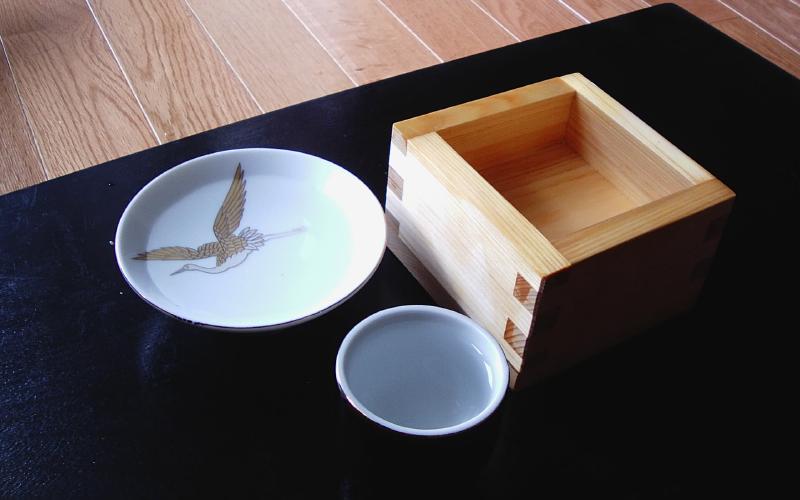 SakeVegan酒
🇯🇵 JapanJapanese alcoholic drink brewed from polished rice and kōji mold
Drink
SakeVegan酒
🇯🇵 JapanJapanese alcoholic drink brewed from polished rice and kōji mold
Drink
 KvassVeganквас
🇷🇺 Russia and 5 moreA tangy, slightly sweet fermented drink made from rye bread or flour
Drink
KvassVeganквас
🇷🇺 Russia and 5 moreA tangy, slightly sweet fermented drink made from rye bread or flour
Drink