
Ceylon tea
Black tea grown and packed in Sri Lanka, marked by the Lion Logo
Ceylon tea refers to black tea produced in Sri Lanka, known for its distinct origin and quality. Overseen by the Sri Lanka Tea Board, only tea grown and packed in the country can carry the Lion Logo. It is a key part of Sri Lankan culture and is enjoyed worldwide, often as a daily drink.
- Only tea grown and packed in Sri Lanka can use the Lion Logo
- Sri Lanka is among the top tea producers and exporters globally
- The Lion Logo is registered in nearly 100 countries
- Ceylon tea is a key part of Sri Lankan culture and identity
What is Ceylon tea?
Ceylon tea is a black tea that comes from Sri Lanka. It is valued for its origin, with only tea grown and packed in Sri Lanka allowed to use the Lion Logo, a mark of authenticity and quality. The tea is made from the leaves of the Camellia sinensis plant, processed into black tea. The appearance, aroma, and taste can vary depending on where in Sri Lanka it is grown, but the name always signals a connection to the island’s tea tradition. It is sold both as loose leaves and in tea bags.
Where does Ceylon tea come from?
The story of Ceylon tea began in 1867, when tea cultivation started in Sri Lanka, then known as Ceylon. Over time, the country became one of the world’s largest tea producers and exporters. The term 'Ceylon tea' has come to mean not just a type of tea, but also a symbol of Sri Lankan heritage and pride. The Lion Logo, managed by the Sri Lanka Tea Board, assures buyers that the tea is pure and packed at the source. This mark is now registered in many countries, helping protect the reputation of Sri Lankan tea abroad.
How is Ceylon tea made?
To produce Ceylon tea, fresh tea leaves are harvested from plantations in Sri Lanka. The leaves are then withered, rolled, oxidized, and dried to create black tea. Only tea that is grown, processed, and packed in Sri Lanka can be labeled as Ceylon tea with the Lion Logo. The Sri Lanka Tea Board sets strict standards for quality, and only brands that meet these requirements can use the logo. The finished tea is packed for sale either in bulk or as value-added products.
How and when is Ceylon tea eaten?
Ceylon tea is enjoyed as a beverage around the world. It can be brewed as a hot drink, often served plain or with milk and sugar, depending on local custom. In Sri Lanka, it is a daily drink and part of social gatherings. The tea is available in various forms, including loose leaf and tea bags, and is consumed at any time of day. Its role in Sri Lankan life is both practical and cultural.
Kinds of Ceylon tea
While Ceylon tea is best known as black tea, Sri Lanka also produces other types, such as green and specialty teas, though these make up a smaller share of exports. Value-added products, including flavoured and organic teas, are increasingly popular and fetch higher prices than bulk tea. However, only tea that is 100% pure and packed in Sri Lanka can carry the Lion Logo. The global market for pure Ceylon tea is a niche, but new forms are emerging to meet changing tastes.
What Ceylon tea means
Ceylon tea is deeply woven into Sri Lankan identity and is seen as a symbol of the nation’s heritage. The Lion Logo is a mark of authenticity and pride, recognized in many countries. The tea industry is a major part of the country’s economy and exports. Ceylon tea also sponsors national sports, such as cricket, further linking it to national life. The strict standards for the Lion Logo help maintain its reputation for quality.
Questions people ask about Ceylon tea
What is Ceylon tea made from?
Ceylon tea is made from the leaves of the tea plant, Camellia sinensis, processed into black tea. Only tea grown and packed in Sri Lanka qualifies as Ceylon tea.
Where does Ceylon tea come from?
Ceylon tea comes from Sri Lanka, an island nation in South Asia. The name 'Ceylon' is the former name of Sri Lanka.
What makes Ceylon tea different from other teas?
Ceylon tea is known for its origin and quality controls. Only tea grown, processed, and packed in Sri Lanka, meeting strict standards, can use the Lion Logo.
How is Ceylon tea usually enjoyed?
It is typically brewed as a hot drink, served plain or with milk and sugar. It is a daily beverage in Sri Lanka and is enjoyed worldwide.
Good reading and sources
The facts on this page come from the Wikipedia article "Ceylon tea", written by its contributors and used under the CC BY-SA 4.0 licence, and from its Wikidata record (CC0). Thali rewrote the text in its own words, with AI assistance, and compares every page with the article to make sure no passage is copied. It may be reused under the same CC BY-SA 4.0 licence with a link back.
It may contain mistakes, and it is not dietary or allergy advice: recipes differ from cook to cook. If something is wrong, tell us. Last refreshed 2026-10-03.
More from Sri Lanka
All the food of Sri Lanka ArrackVegan
🇮🇳 India and 3 moreDistilled spirit made from coconut sap, sugarcane, or grain in South and Southeast Asia
Drink
Jaffna crab curryMeat
🇱🇰 Sri LankaSpicy crab curry from northern Sri Lanka, simmered with coconut milk and spices
Main dish, Lunch, Dinner
ArrackVegan
🇮🇳 India and 3 moreDistilled spirit made from coconut sap, sugarcane, or grain in South and Southeast Asia
Drink
Jaffna crab curryMeat
🇱🇰 Sri LankaSpicy crab curry from northern Sri Lanka, simmered with coconut milk and spices
Main dish, Lunch, Dinner
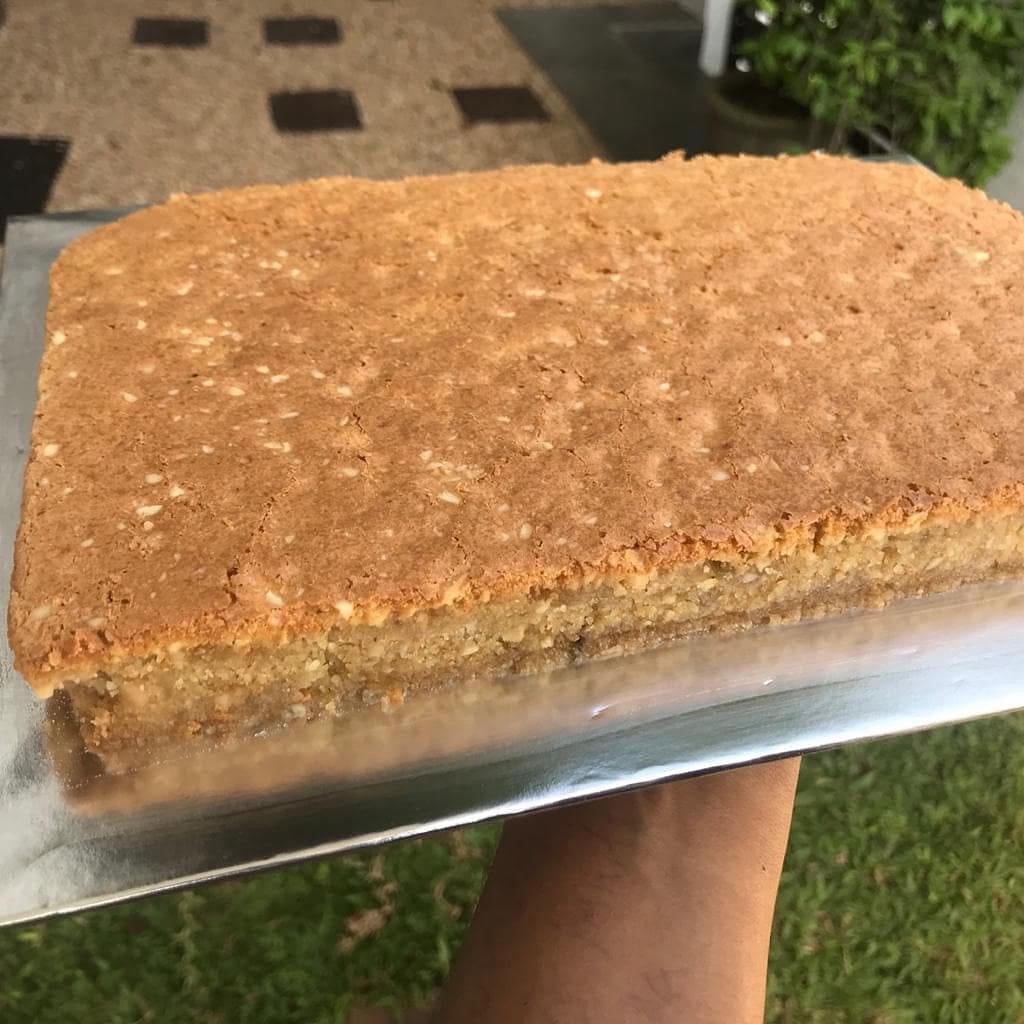 Love cakeVegetarian
🇱🇰 Sri LankaSri Lankan semolina cake with cashews, pumpkin preserve, and aromatic spices
Sweet or dessert
AasmiVeganආස්මී
🇱🇰 Sri LankaSri Lankan sweet made from rice flour, coconut milk, and cinnamon or okra juice
Sweet or dessert
Love cakeVegetarian
🇱🇰 Sri LankaSri Lankan semolina cake with cashews, pumpkin preserve, and aromatic spices
Sweet or dessert
AasmiVeganආස්මී
🇱🇰 Sri LankaSri Lankan sweet made from rice flour, coconut milk, and cinnamon or okra juice
Sweet or dessert
Its cousins elsewhere
All drinks Ice cream
🇺🇸 United States and 5 moreA frozen dessert made from sweetened, flavoured milk or cream
Sweet or dessert, Snacks
Ice cream
🇺🇸 United States and 5 moreA frozen dessert made from sweetened, flavoured milk or cream
Sweet or dessert, Snacks
 ChampagneVegan
🇫🇷 FranceSparkling wine made only in France’s Champagne region using traditional bottle fermentation
Drink
ChampagneVegan
🇫🇷 FranceSparkling wine made only in France’s Champagne region using traditional bottle fermentation
Drink
 TequilaVegan
🇲🇽 MexicoMexican spirit distilled from blue agave in Jalisco and nearby regions
Drink
TequilaVegan
🇲🇽 MexicoMexican spirit distilled from blue agave in Jalisco and nearby regions
Drink
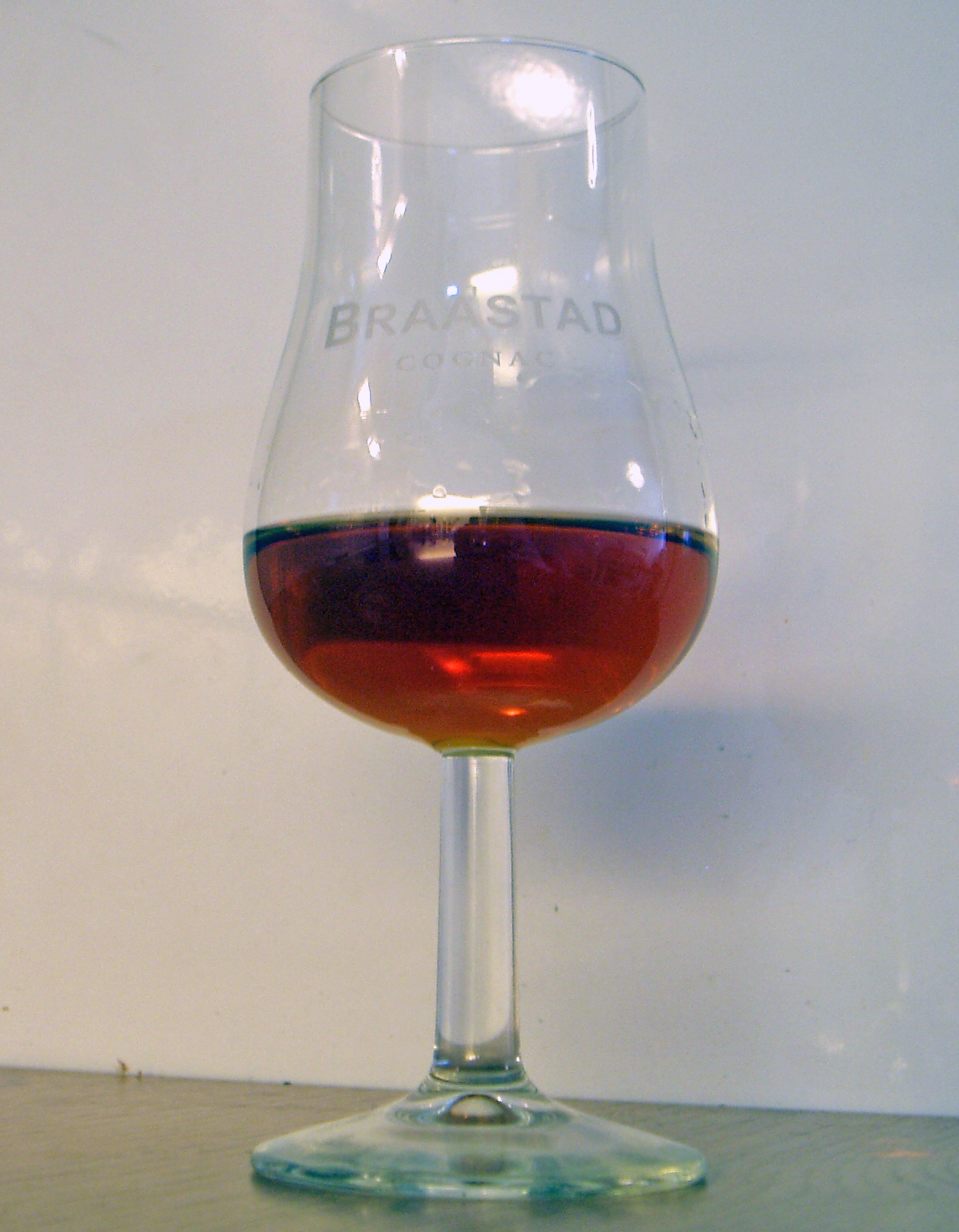 CognacVegan
🇫🇷 FranceFrench brandy distilled from local white grapes and aged in oak casks
Drink
CognacVegan
🇫🇷 FranceFrench brandy distilled from local white grapes and aged in oak casks
Drink