
Chairo
A hot Andean soup with beef, chuño, vegetables and grains
Chairo is a hearty soup from the Andes, especially Bolivia, made with beef, chuño (dehydrated potato), fresh vegetables, grains, and sometimes dried lamb or llama meat. This dish, rooted in Aymara tradition, is eaten hot and is especially popular in La Paz and the Peruvian Altiplano.
- Made with chuño, a freeze-dried Andean potato
- Includes beef and sometimes dried lamb or llama meat
- Popular in Bolivia, Peru's Puno Region, and northern Chile
- A traditional dish of the Aymara people
- Served hot as a main meal
What is Chairo?
Chairo is a thick soup that brings together beef, vegetables, grains, and chuño, which is a type of potato that has been naturally freeze-dried in the Andes. The soup often includes onions, carrots, potatoes, white corn, peas, and fava beans. Sometimes, small pieces of châlona (dried lamb or llama meat) or pork rind are added. Herbs like coriander and various spices give it a fragrant, earthy aroma. The result is a filling, warming dish with a mix of soft and chewy textures.
Where does Chairo come from?
Chairo comes from the Aymara people of the Andes, with its roots in Bolivia, especially around La Paz. The use of chuño and châlona reflects traditional Andean food preservation methods. Over time, the soup spread to other parts of the Andes, including northern Chile and the Peruvian Altiplano, where it became a staple in local cooking. In the Puno Region of Peru, chairo is considered an important part of the regional cuisine.
How is Chairo made?
To prepare chairo, beef and sometimes châlona are simmered with a variety of vegetables such as onions, carrots, and potatoes. Chuño is added for its unique texture and flavor. White corn, peas, fava beans, and wheat kernels go into the pot, making the soup both rich and hearty. Herbs like coriander and selected spices are stirred in near the end. Occasionally, a piece of pork rind is placed on top before serving.

How and when is Chairo eaten?
Chairo is usually served hot, making it a popular choice for lunch or dinner, especially in the cool Andean climate. It is eaten as a main meal, often shared among family or friends. The soup is filling enough to be served on its own, though it may sometimes be accompanied by bread. In the regions where it is popular, chairo is a common part of everyday meals.
Kinds of Chairo
While the basic ingredients remain the same, some cooks add or substitute different meats, such as using more châlona or even pork rind for extra flavor. The mix of vegetables and grains can also vary depending on what is available locally. In the Peruvian Altiplano, the soup holds a special place in local food traditions, and each region may have its own slight twist on the recipe.
What Chairo means
Chairo is closely tied to the food heritage of the Aymara people and the broader Andean region. Its use of preserved ingredients like chuño and châlona reflects the resourcefulness of mountain communities. The soup is a symbol of everyday life in places like La Paz and Puno, valued for its warmth and sustenance. It is not tied to specific festivals or rituals but is a staple of daily Andean cooking.
Questions people ask about Chairo
What is chairo made of?
Chairo is made with beef, chuño (dehydrated potato), onions, carrots, potatoes, white corn, peas, fava beans, wheat kernels, and herbs like coriander. Sometimes dried lamb or llama meat and pork rind are also added.
Where does chairo come from?
Chairo originates from the Aymara people in the Andes, especially in Bolivia around La Paz. It is also popular in northern Chile and the Peruvian Altiplano, particularly in the Puno Region.
What is chuño?
Chuño is a traditional Andean food made by freeze-drying potatoes. The process preserves the potatoes and gives them a unique texture and flavor, which is a key part of chairo.
When is chairo usually eaten?
Chairo is typically eaten hot for lunch or dinner. It is a filling main dish, especially enjoyed in the cool climate of the Andes.
Is chairo eaten for special occasions?
Chairo is mainly an everyday food in the Andes. The sources do not mention it being tied to specific festivals or religious events.
Good reading and sources
- Chairo (stew) on WikipediaEncyclopedia
- More photos on Wikimedia CommonsPhotos
- Wikidata recordOpen data
The facts on this page come from the Wikipedia article "Chairo (stew)", written by its contributors and used under the CC BY-SA 4.0 licence, and from its Wikidata record (CC0). Thali rewrote the text in its own words, with AI assistance, and compares every page with the article to make sure no passage is copied. It may be reused under the same CC BY-SA 4.0 licence with a link back.
It may contain mistakes, and it is not dietary or allergy advice: recipes differ from cook to cook. If something is wrong, tell us. Last refreshed 2026-10-03.
More from Bolivia
All the food of Bolivia Pique machoMeat
🇧🇴 Bolivia and 1 moreA Bolivian platter of beef, sausage, fries, vegetables and spicy sauces
Main dish, Dinner, Lunch
Pique machoMeat
🇧🇴 Bolivia and 1 moreA Bolivian platter of beef, sausage, fries, vegetables and spicy sauces
Main dish, Dinner, Lunch
 Huatia
🇵🇪 Peru and 2 moreAndean food cooked in a traditional earth oven of heated stones
Main dish
Huatia
🇵🇪 Peru and 2 moreAndean food cooked in a traditional earth oven of heated stones
Main dish
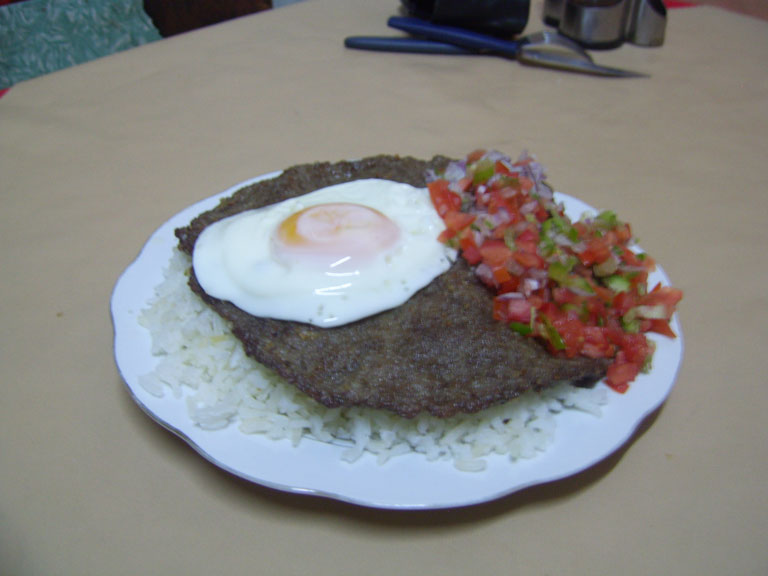 SilpanchoMeatSillp'anchu
🇧🇴 BoliviaLayered Bolivian meal with rice, potatoes, breaded meat, and fried eggs
Main dish, Lunch, Dinner
SilpanchoMeatSillp'anchu
🇧🇴 BoliviaLayered Bolivian meal with rice, potatoes, breaded meat, and fried eggs
Main dish, Lunch, Dinner
 MolleteVegetarian
🇲🇽 Mexico and 6 moreOpen-faced Mexican sandwich with refried beans and melted cheese
Bread, Breakfast, Snacks
MolleteVegetarian
🇲🇽 Mexico and 6 moreOpen-faced Mexican sandwich with refried beans and melted cheese
Bread, Breakfast, Snacks
Its cousins elsewhere
All soups GoulashMeatgulyás
🇭🇺 Hungary and 5 moreA paprika-spiced meat and vegetable soup from Hungary
Soup, Lunch, Dinner
GoulashMeatgulyás
🇭🇺 Hungary and 5 moreA paprika-spiced meat and vegetable soup from Hungary
Soup, Lunch, Dinner
 Pea soup
🇸🇪 Sweden and 5 moreA thick, hearty soup made from dried peas, found in many world cuisines
Soup, Lunch, Dinner
Pea soup
🇸🇪 Sweden and 5 moreA thick, hearty soup made from dried peas, found in many world cuisines
Soup, Lunch, Dinner
 MinestroneVegetarian
🇮🇹 ItalyHearty Italian vegetable soup with beans, pasta or rice
Soup, Lunch, Dinner
MinestroneVegetarian
🇮🇹 ItalyHearty Italian vegetable soup with beans, pasta or rice
Soup, Lunch, Dinner
 Oxtail soupMeat
🇬🇧 United Kingdom and 5 moreSoup made by simmering oxtail with vegetables and spices
Soup, Lunch, Dinner
Oxtail soupMeat
🇬🇧 United Kingdom and 5 moreSoup made by simmering oxtail with vegetables and spices
Soup, Lunch, Dinner