
Thiakry
Sweet couscous of millet or wheat mixed with dairy and dried fruit
Thiakry is a sweet couscous dessert from Senegal and Gambia, made with millet or wheat granules mixed with milk, sweetened condensed milk, or yogurt, and flavored with dried fruit and spices. It is enjoyed as a dessert or sweet snack across West Africa.
- Made with millet or wheat couscous and dairy
- Served cold as a sweet dessert or snack
- Common in Senegal and Gambia
- Often flavored with raisins, coconut, and nutmeg
What is Thiakry?
Thiakry is a sweet dish made from small granules of millet or wheat, similar to couscous. The grains are combined with dairy such as milk, sweetened condensed milk, or yogurt. Dried fruits like raisins and coconut, along with nutmeg and sometimes other spices, add flavor and texture. The result is a creamy, mildly spiced dessert that is served cold. Its taste is sweet and lightly aromatic, with the grains providing a soft, slightly chewy base.
Where does Thiakry come from?
Thiakry traces its roots to the Fulani people of present-day northern Senegal, who were traditionally herdsmen. Over time, the dish spread throughout West Africa, becoming a popular treat in Senegal and Gambia. Its name varies by language and region, reflecting the dish’s movement across ethnic groups and countries. The first known recipes date back to the era of the Fulani, highlighting its longstanding role in local food traditions.
How is Thiakry made?
To make thiakry, millet or wheat grains are steamed or cooked until light and fluffy. These are then cooled and mixed with milk, sweetened condensed milk, or yogurt to create a creamy base. Dried fruits such as raisins and desiccated coconut are stirred in, and nutmeg or other spices are added for aroma. The mixture is chilled before serving, allowing the flavors to blend.
How and when is Thiakry eaten?
Thiakry is typically enjoyed as a dessert or sweet snack, especially after meals. It is served cold, making it refreshing in the warm West African climate. People may eat it at home or share it during gatherings. The dish is often eaten on ordinary days rather than for special occasions, and it can be found in both urban and rural settings.
Kinds of Thiakry
The basic ingredients of thiakry can change depending on what is available. Some versions use wheat instead of millet, and the choice of dairy can range from fresh milk to yogurt or sweetened condensed milk. Additions like coconut or different dried fruits may be included for extra flavor. The dish is also known by other names, such as bodé or dèguè, in various West African languages.
What Thiakry means
Thiakry is a familiar part of daily life in Senegal and Gambia. Its preparation and sharing reflect the region’s hospitality and resourcefulness, using local grains and dairy. While it is not tied to specific festivals or religious practices, its presence at meals and gatherings highlights its role as a comfort food and a symbol of West African home cooking.
Questions people ask about Thiakry
What is Thiakry made of?
Thiakry is made from millet or wheat granules, mixed with milk, sweetened condensed milk, or yogurt, and flavored with dried fruits such as raisins, desiccated coconut, and spices like nutmeg.
Where does Thiakry come from?
Thiakry originated with the Fulani people in present-day northern Senegal and is now popular in Senegal, Gambia, and across West Africa.
Is Thiakry served hot or cold?
Thiakry is served cold, making it a refreshing dessert or snack, especially in warm climates.
Is Thiakry vegetarian?
Yes, Thiakry is vegetarian as it contains grains, dairy, and dried fruit, with no meat or fish.
When is Thiakry usually eaten?
Thiakry is typically eaten as a dessert or sweet snack after meals and is enjoyed on ordinary days.
Good reading and sources
The facts on this page come from the Wikipedia article "Chakery", written by its contributors and used under the CC BY-SA 4.0 licence, and from its Wikidata record (CC0). Thali rewrote the text in its own words, with AI assistance, and compares every page with the article to make sure no passage is copied. It may be reused under the same CC BY-SA 4.0 licence with a link back.
It may contain mistakes, and it is not dietary or allergy advice: recipes differ from cook to cook. If something is wrong, tell us. Last refreshed 2026-10-03.
More from Senegal
All the food of Senegal Puff-puff
🇳🇬 Nigeria and 5 moreWest African deep-fried dough balls, golden and lightly sweet
Sweet or dessert, Snacks
Puff-puff
🇳🇬 Nigeria and 5 moreWest African deep-fried dough balls, golden and lightly sweet
Sweet or dessert, Snacks
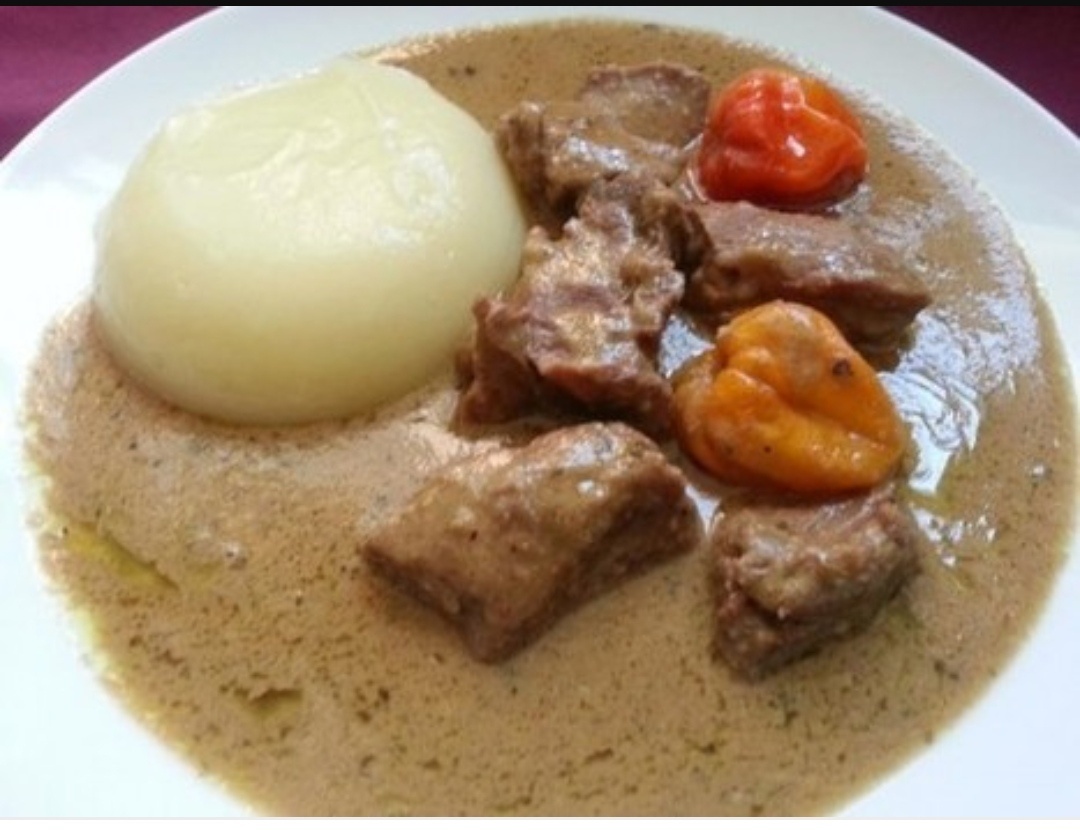 Peanut stew
🇸🇳 Senegal and 5 moreA rich West African stew of meat and vegetables in a spiced peanut sauce
Stew or curry, Lunch, Dinner
Peanut stew
🇸🇳 Senegal and 5 moreA rich West African stew of meat and vegetables in a spiced peanut sauce
Stew or curry, Lunch, Dinner
 GnamakoudjiVegan
🇨🇮 Ivory Coast and 4 moreWest African drink made from ginger juice, often with pineapple, lemon, or mint
Drink
GnamakoudjiVegan
🇨🇮 Ivory Coast and 4 moreWest African drink made from ginger juice, often with pineapple, lemon, or mint
Drink
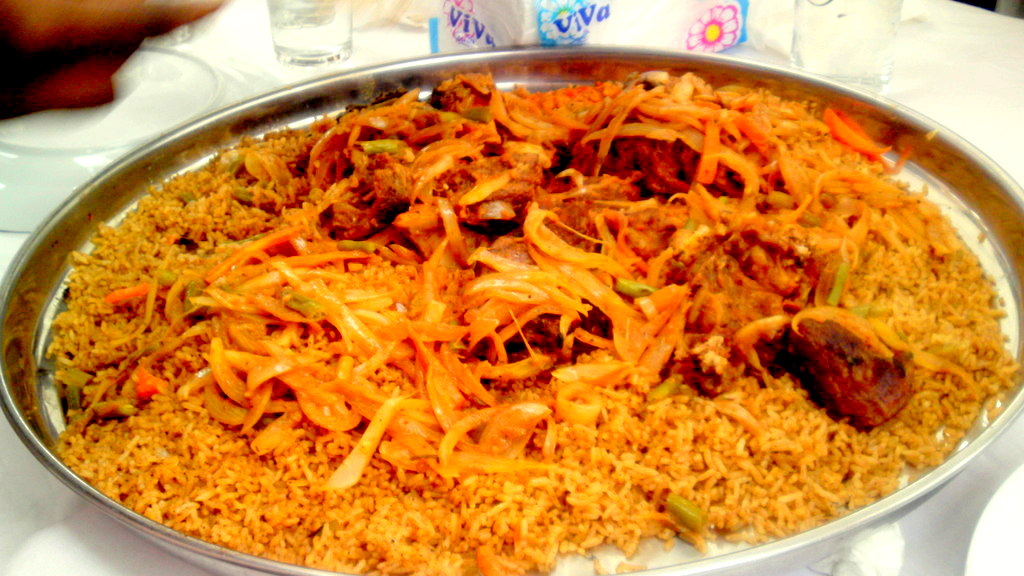 Riz grasMeat
🇧🇫 Burkina Faso and 4 moreWest African rice cooked with meat and vegetables, served hot
Main dish, Lunch, Dinner
Riz grasMeat
🇧🇫 Burkina Faso and 4 moreWest African rice cooked with meat and vegetables, served hot
Main dish, Lunch, Dinner
Its cousins elsewhere
All sweets and desserts Eggnog
🇺🇸 United States and 5 moreA creamy, sweet drink of milk, eggs, sugar and spirits, served at Christmas
Drink, Snacks
Eggnog
🇺🇸 United States and 5 moreA creamy, sweet drink of milk, eggs, sugar and spirits, served at Christmas
Drink, Snacks
 Pumpkin pieVegetarian
🇺🇸 United States and 1 moreSweet pie with spiced pumpkin custard in a pastry shell, served for autumn holidays
Sweet or dessert
Pumpkin pieVegetarian
🇺🇸 United States and 1 moreSweet pie with spiced pumpkin custard in a pastry shell, served for autumn holidays
Sweet or dessert
 OliebolVegetarian
🇳🇱 Netherlands and 2 moreDutch deep-fried dough balls, often with raisins and dusted with powdered sugar
Sweet or dessert, Snacks
OliebolVegetarian
🇳🇱 Netherlands and 2 moreDutch deep-fried dough balls, often with raisins and dusted with powdered sugar
Sweet or dessert, Snacks
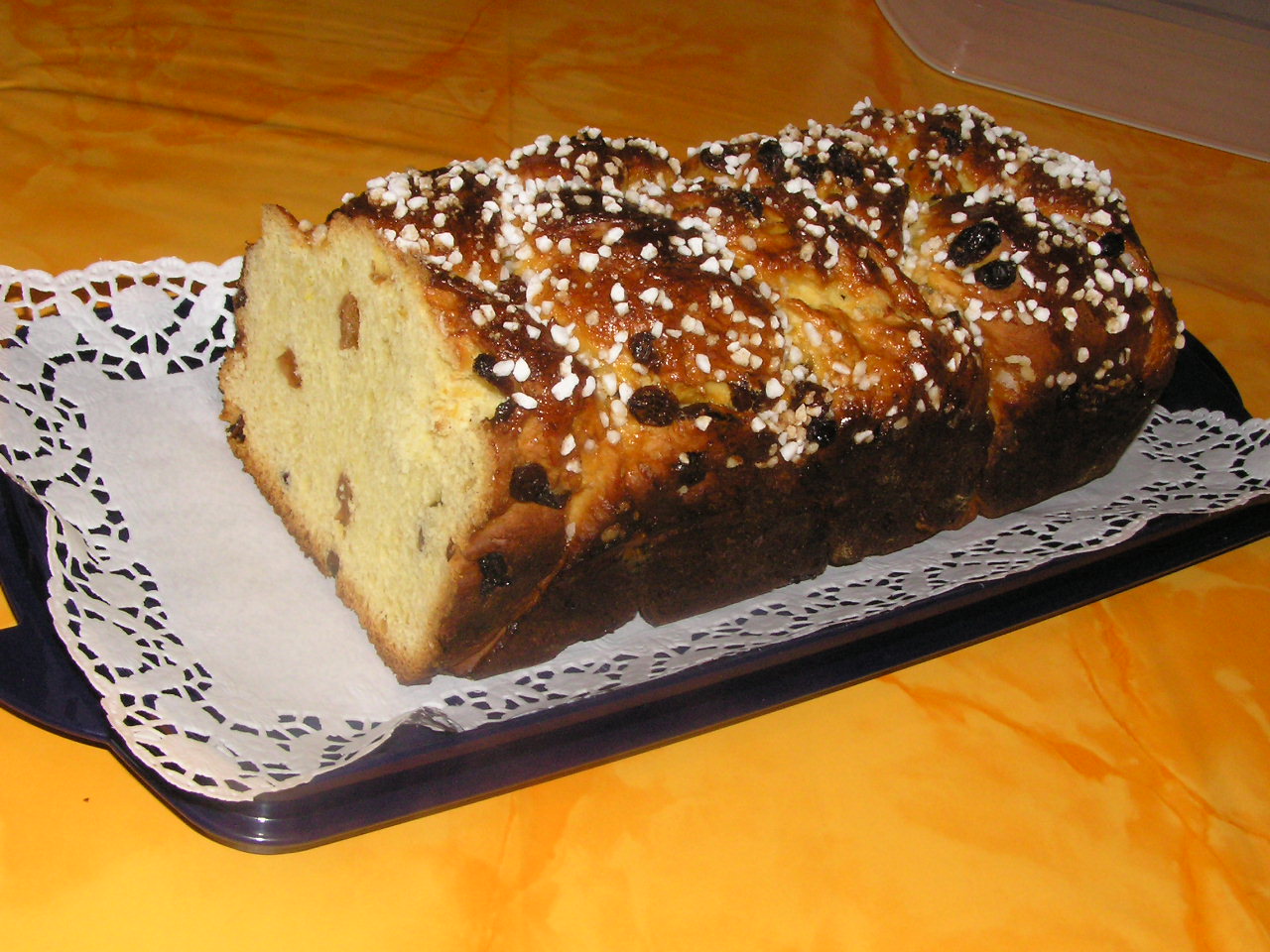 Cozonac
🇷🇴 Romania and 4 moreA sweet, enriched bread often filled with nuts or dried fruit, baked for Easter
Sweet or dessert, Tea time, Snacks
Cozonac
🇷🇴 Romania and 4 moreA sweet, enriched bread often filled with nuts or dried fruit, baked for Easter
Sweet or dessert, Tea time, Snacks