
Puff-puff
West African deep-fried dough balls, golden and lightly sweet
Puff-puff is a fried dough snack from Nigeria, enjoyed widely across West and Central Africa under many names. It is made from a yeast-based dough of flour, sugar, water, butter, and sometimes eggs, shaped into balls and deep-fried until golden. Puff-puff is eaten as a snack and can be served plain, rolled in sugar, or with spices and fruit dips.
- Puff-puff is a deep-fried dough snack from Nigeria and West Africa
- It is made with flour, yeast, sugar, butter, and sometimes eggs
- Known by many names: boflot, beignet, mikate, vetkoek
- After frying, it can be rolled in sugar or spices
- A similar snack is found as far as Tonga, called keke‘isite
What is Puff-puff?
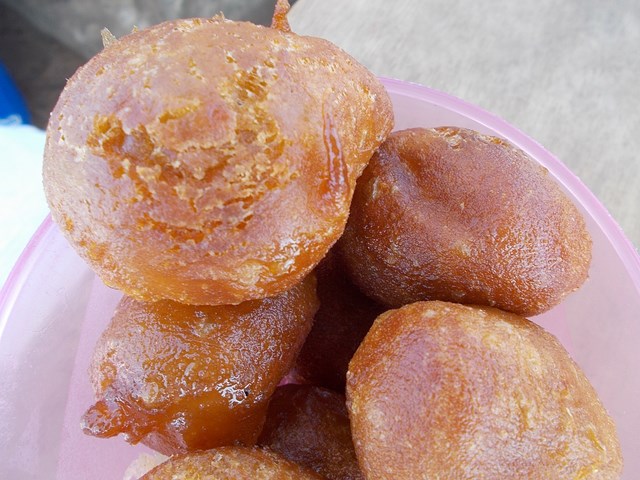
Puff-puff is a small, round or oval ball of deep-fried dough. The dough is made from flour, yeast, sugar, water, butter, and sometimes eggs, with a pinch of salt. It is fried in vegetable oil until the outside is golden brown and crisp, while the inside stays soft and airy. Puff-puff is lightly sweet, and after frying, it can be rolled in sugar or dusted with spices like cinnamon or nutmeg. Some versions are served with fruit dips or flavored with vanilla.
Where does Puff-puff come from?
Puff-puff comes from Nigeria, where the name is most common, but similar fried dough snacks are found throughout West and Central Africa. Each country and region has its own name for the treat, such as boflot in Ghana, beignet in Senegal and Cameroon, and mikate in Congo. The dish is related to other fried doughs like the French beignet and Italian zeppole. In Senegal, millet flour is sometimes used instead of wheat. The snack has spread widely, with local variations in places as far as South Africa and Tonga.
How is Puff-puff made?
To make puff-puff, a dough is prepared by mixing flour, yeast, sugar, water, butter, and optionally eggs and salt. The mixture is left to rise, allowing the yeast to create air pockets. Once risen, the dough is shaped into small balls or dropped by spoonfuls into hot vegetable oil. The pieces are fried until they are puffed and golden brown. After draining, they may be rolled in sugar or coated with spices. Some people serve puff-puff with fruit dips or flavor the dough with vanilla or nutmeg.
How and when is Puff-puff eaten?
Puff-puff is eaten as a snack, often bought from street vendors or made at home. It is enjoyed throughout the day, sometimes with a dusting of sugar or a sprinkle of spices. In Cameroon, it is common to eat beignets (the local name) with beans. Puff-puff can also be served with fruit dips like strawberry or raspberry. It is a popular treat for gatherings and casual occasions, and its simple, sweet flavor makes it appealing to both children and adults.
Kinds of Puff-puff
Across Africa, puff-puff goes by many names and has local twists. In Senegal, millet flour may replace wheat. In Ghana, it is called boflot or buffloaf; in Togo, botokoin; and in Ivory Coast, bofloto. Congo has mikate, Angola has micate or bolinho, and Chad has fungasa. In South Africa, Botswana, and Zimbabwe, similar doughs are called vetkoek or amagwinya. In Tonga, a close relative called keke‘isite is sometimes fried in animal fat instead of oil. Each version reflects local tastes and ingredients.
What Puff-puff means
Puff-puff is a familiar and beloved snack across much of Africa, enjoyed daily and at social gatherings. Its many names and forms show its wide reach and local adaptation. The treat is often sold by street vendors and is part of everyday life in cities and villages. In some places, it is paired with beans or served with sweet dips, reflecting regional eating habits. Puff-puff’s simple preparation and comforting taste have made it a staple in West African food culture.
Questions people ask about Puff-puff
What is puff-puff made of?
Puff-puff is made from a dough of flour, yeast, sugar, water, butter, and sometimes eggs and salt. The dough is deep-fried in vegetable oil until golden brown.
Where does puff-puff come from?
Puff-puff comes from Nigeria, but similar fried dough snacks are found throughout West and Central Africa, each with their own local names.
How is puff-puff served?
Puff-puff is usually served as a snack, sometimes rolled in sugar or dusted with spices like cinnamon or nutmeg. It can also be eaten with fruit dips or, in some regions, with beans.
Are there different versions of puff-puff?
Yes, there are many versions across Africa. Names and ingredients vary by country, with some using millet flour or frying in different fats. Local names include boflot, beignet, mikate, and vetkoek.
Is puff-puff sweet or savory?
Puff-puff is lightly sweet, especially when rolled in sugar or flavored with spices. Some regional versions may be paired with savory foods like beans.
Good reading and sources
The facts on this page come from the Wikipedia article "Puff-puff", written by its contributors and used under the CC BY-SA 4.0 licence, and from its Wikidata record (CC0). Thali rewrote the text in its own words, with AI assistance, and compares every page with the article to make sure no passage is copied. It may be reused under the same CC BY-SA 4.0 licence with a link back.
It may contain mistakes, and it is not dietary or allergy advice: recipes differ from cook to cook. If something is wrong, tell us. Last refreshed 2026-10-03.
More from Nigeria
All the food of Nigeria TapiocaVegan
🇧🇷 Brazil and 5 moreStarch from cassava root, shaped into pearls, flakes, or powder
Sauce, pickle or ferment
TapiocaVegan
🇧🇷 Brazil and 5 moreStarch from cassava root, shaped into pearls, flakes, or powder
Sauce, pickle or ferment
 ShawarmaMeatشاورما
🇸🇾 Syria and 5 moreMeat roasted on a vertical spit and sliced into flatbread with sauces and vegetables
Street food, Lunch, Dinner
ShawarmaMeatشاورما
🇸🇾 Syria and 5 moreMeat roasted on a vertical spit and sliced into flatbread with sauces and vegetables
Street food, Lunch, Dinner
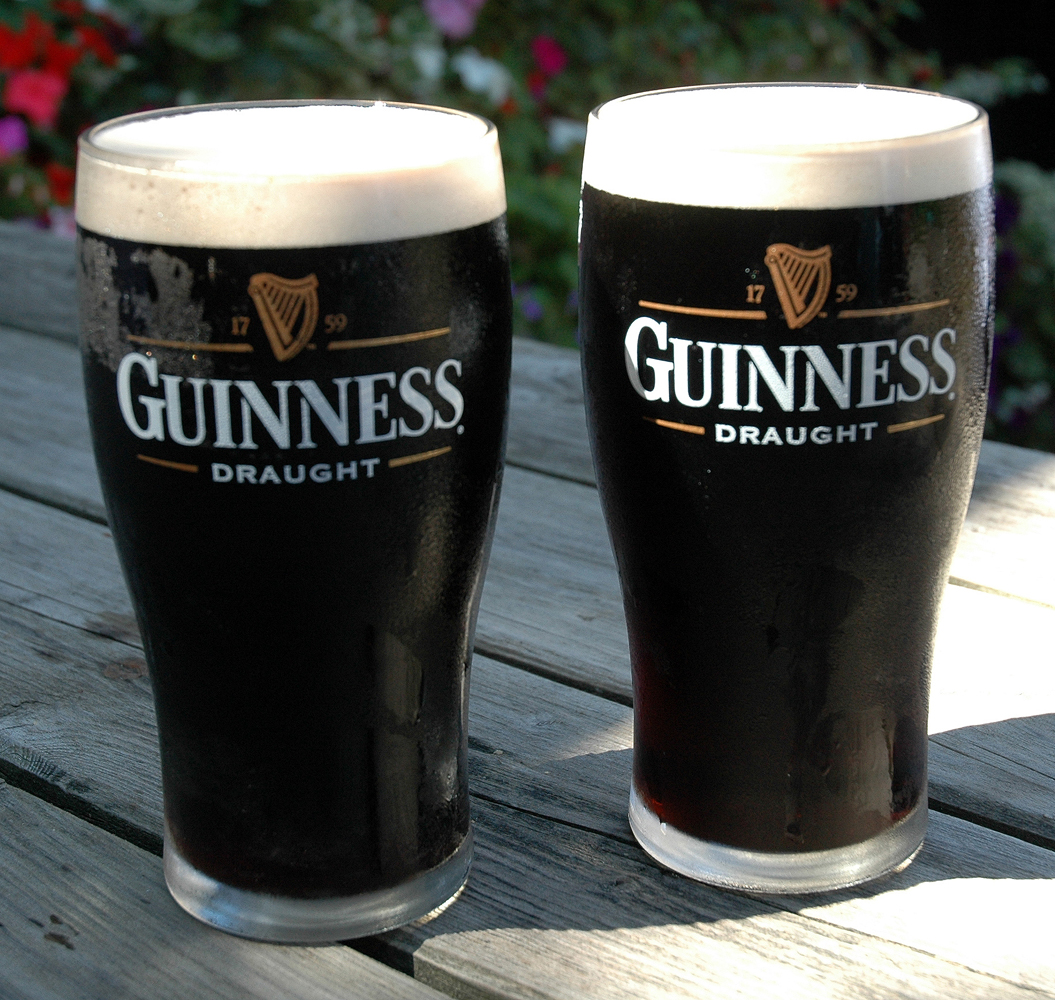 GuinnessVegan
🇮🇪 Ireland and 5 moreA dark Irish stout with a creamy head and dry, roasted flavour
Drink
GuinnessVegan
🇮🇪 Ireland and 5 moreA dark Irish stout with a creamy head and dry, roasted flavour
Drink
 Palm wineVegan
🇳🇬 Nigeria and 5 moreA lightly alcoholic drink made by fermenting the sap of palm trees
Drink
Palm wineVegan
🇳🇬 Nigeria and 5 moreA lightly alcoholic drink made by fermenting the sap of palm trees
Drink
Its cousins elsewhere
All sweets and desserts BriocheVegetarianune brioche
🇫🇷 FranceFrench bread made with eggs and butter, often shaped in rounds or loaves
Bread, Breakfast, Snacks
BriocheVegetarianune brioche
🇫🇷 FranceFrench bread made with eggs and butter, often shaped in rounds or loaves
Bread, Breakfast, Snacks
 Dampfnudel
🇩🇪 Germany and 3 moreSoft yeast dumplings cooked in a covered pan until golden underneath
Dumpling, Lunch, Dinner
Dampfnudel
🇩🇪 Germany and 3 moreSoft yeast dumplings cooked in a covered pan until golden underneath
Dumpling, Lunch, Dinner
 Boortsog
🇰🇿 Kazakhstan and 5 moreGolden fried dough pieces from Central Asia and Mongolia, often served with tea or honey
Sweet or dessert, Snacks, Tea time
Boortsog
🇰🇿 Kazakhstan and 5 moreGolden fried dough pieces from Central Asia and Mongolia, often served with tea or honey
Sweet or dessert, Snacks, Tea time
 Apple pieVegetarian
🇬🇧 United Kingdom and 5 moreA baked pie with apple filling and pastry crust, served hot or cold
Sweet or dessert, Snacks
Apple pieVegetarian
🇬🇧 United Kingdom and 5 moreA baked pie with apple filling and pastry crust, served hot or cold
Sweet or dessert, Snacks