
Chakhchoukha
In its own language: شخشوخة
Algerian flatbread pieces in a spiced tomato and meat stew
Chakhchoukha is a main dish from Algeria, made by mixing torn flatbread with a tomato-based stew. The stew often contains lamb or beef, chickpeas, vegetables, and a blend of local spices. It is served hot and is especially popular during festivals and the Amazigh New Year.
- Chakhchoukha is made by mixing torn flatbread with a spiced tomato stew
- It is a traditional dish from Algeria, especially in the east
- Commonly served during Mouloud, Achoura, and the Amazigh New Year
- Regional versions use different breads and vegetables
- The stew often includes lamb, chickpeas, and local spices
What is Chakhchoukha?
Chakhchoukha is a dish where small bits of thin, baked flatbread are combined with a rich stew. The bread, made from semolina, is torn into pieces and soaks up a tomato-based sauce. The stew includes meat such as lamb or beef, chickpeas, and vegetables like carrots or turnips, all seasoned with spices such as cumin, paprika, and harissa. The finished plate is often topped with chopped herbs and sometimes served with extra bread. The result is a hearty, savory meal with tender bread and flavorful sauce.
Where does Chakhchoukha come from?
Chakhchoukha began as a specialty of the Chaoui people in Algeria and has spread to many regions of the country. Its name comes from a word in the Chaouia language that refers to breaking food into small pieces. Over time, different areas such as Constantine, Batna, and Biskra have developed their own styles. The dish is closely tied to Algerian identity and is especially important during certain holidays and celebrations.
How is Chakhchoukha made?
To prepare chakhchoukha, a thin flatbread made from fine semolina is first baked, then torn by hand into small pieces. These bread pieces are placed in a plate or bowl. A stew is made separately by simmering diced lamb or beef with tomatoes, onions, garlic, chickpeas, and a mix of spices like cumin, caraway, and dried red chillies. Additional vegetables such as potatoes, carrots, or zucchini may be added. The hot stew is poured over the bread pieces, allowing them to absorb the sauce before serving.


How and when is Chakhchoukha eaten?
Chakhchoukha is usually eaten for lunch or dinner, often as a main meal shared with family or guests. It is served hot, with the sauce and meat poured over the bread pieces just before eating. People may garnish it with parsley or cilantro. The dish is a common feature at festive gatherings, including religious and cultural holidays, but is also enjoyed on ordinary days. Bread is sometimes offered on the side to scoop up the stew.
Kinds of Chakhchoukha
There are several regional versions of chakhchoukha. In Biskra, the bread is especially thin and the stew is often made with lamb, chickpeas, and vegetables. In Constantine, a version called chakhchoukha dfer uses broken baked bread instead of flatbread, and the sauce may be richer with butter and herbs. Each region adapts the vegetables and spices to local tastes and seasonal produce.
What Chakhchoukha means
Chakhchoukha holds a special place in Algerian culture, especially during celebrations like Mouloud, Achoura, and the Amazigh New Year, Yennayer. On the eve of Yennayer, families eat dried foods, while the next day is marked by dishes with sauce such as chakhchoukha. The dish is a symbol of hospitality and togetherness, and its preparation often brings families together, especially during holidays.
When Chakhchoukha is on the table
Questions people ask about Chakhchoukha
What is chakhchoukha made of?
Chakhchoukha is made from pieces of thin semolina flatbread mixed with a tomato-based stew that usually contains lamb or beef, chickpeas, onions, garlic, and a blend of spices. Vegetables like carrots or turnips are often added.
Where does chakhchoukha come from?
Chakhchoukha comes from Algeria, with roots in the Chaoui community. It is especially popular in regions like Constantine, Batna, and Biskra, each with its own variation.
When is chakhchoukha usually eaten?
Chakhchoukha is eaten for lunch or dinner and is enjoyed both on regular days and during special occasions, including Mouloud, Achoura, and the Amazigh New Year.
Are there different types of chakhchoukha?
Yes, there are regional varieties such as chakhchoukha biskria, which uses very thin bread, and chakhchoukha dfer from Constantine, which uses broken baked bread and may have a richer sauce.
How is chakhchoukha served?
The torn bread is placed in a plate and covered with hot stew and meat just before serving. It is usually garnished with herbs and sometimes accompanied by extra bread.
Good reading and sources
The facts on this page come from the Wikipedia article "Chakhchoukha", written by its contributors and used under the CC BY-SA 4.0 licence, and from its Wikidata record (CC0). Thali rewrote the text in its own words, with AI assistance, and compares every page with the article to make sure no passage is copied. It may be reused under the same CC BY-SA 4.0 licence with a link back.
It may contain mistakes, and it is not dietary or allergy advice: recipes differ from cook to cook. If something is wrong, tell us. Last refreshed 2026-10-03.
More from Algeria
All the food of Algeria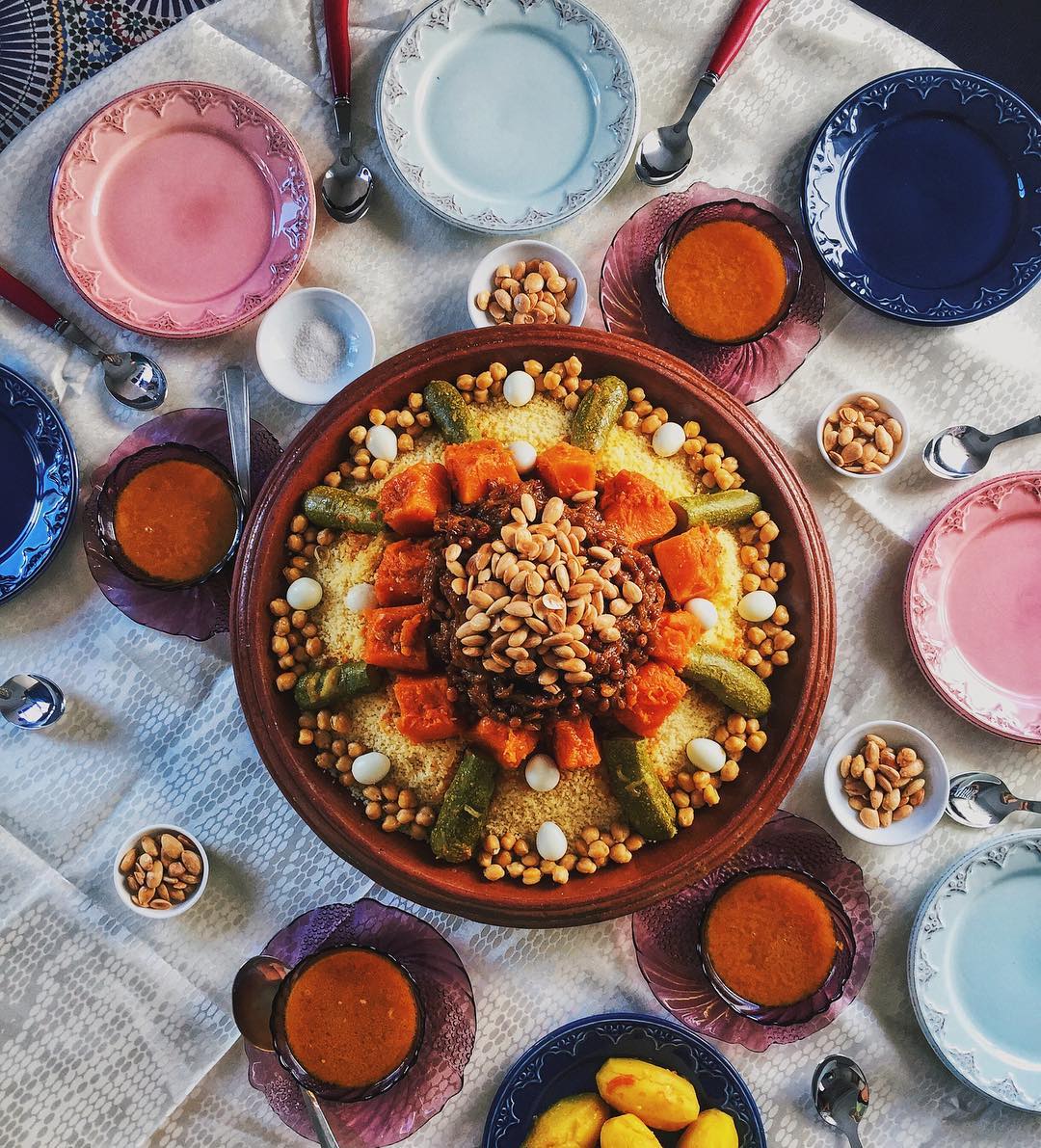 Couscousseksu
🇩🇿 Algeria and 4 moreSteamed semolina granules served with stew or vegetables across North Africa
Main dish, Lunch, Dinner
Couscousseksu
🇩🇿 Algeria and 4 moreSteamed semolina granules served with stew or vegetables across North Africa
Main dish, Lunch, Dinner
 BaguetteVegan
🇫🇷 France and 5 moreLong, thin French bread with a crisp crust and soft interior
Bread, Breakfast, Lunch
BaguetteVegan
🇫🇷 France and 5 moreLong, thin French bread with a crisp crust and soft interior
Bread, Breakfast, Lunch
 RechtaMeatرشتة
🇩🇿 Algeria and 1 moreAlgerian handmade noodles served with chicken and vegetables in a spiced sauce
Main dish, Lunch, Dinner
RechtaMeatرشتة
🇩🇿 Algeria and 1 moreAlgerian handmade noodles served with chicken and vegetables in a spiced sauce
Main dish, Lunch, Dinner
 Börek
🇹🇷 Turkey and 5 moreFlaky pastry filled with cheese, meat or vegetables, baked or fried
Pie or savoury pastry, Breakfast, Lunch
Börek
🇹🇷 Turkey and 5 moreFlaky pastry filled with cheese, meat or vegetables, baked or fried
Pie or savoury pastry, Breakfast, Lunch
Its cousins elsewhere
All main dishes MantiMeat
🇺🇿 Uzbekistan and 5 moreSpiced meat dumplings wrapped in thin dough, steamed, boiled or baked
Dumpling, Lunch, Dinner
MantiMeat
🇺🇿 Uzbekistan and 5 moreSpiced meat dumplings wrapped in thin dough, steamed, boiled or baked
Dumpling, Lunch, Dinner
 Pilaf
🇺🇿 Uzbekistan and 5 moreRice cooked in stock with spices, meat or vegetables, with each grain kept separate
Main dish, Lunch, Dinner
Pilaf
🇺🇿 Uzbekistan and 5 moreRice cooked in stock with spices, meat or vegetables, with each grain kept separate
Main dish, Lunch, Dinner
 GoulashMeatgulyás
🇭🇺 Hungary and 5 moreA paprika-spiced meat and vegetable soup from Hungary
Soup, Lunch, Dinner
GoulashMeatgulyás
🇭🇺 Hungary and 5 moreA paprika-spiced meat and vegetable soup from Hungary
Soup, Lunch, Dinner
 Freekehفريكة
🇵🇸 Palestine and 5 moreRoasted green durum wheat grains, a staple across the eastern Mediterranean
Main dish, Lunch, Dinner
Freekehفريكة
🇵🇸 Palestine and 5 moreRoasted green durum wheat grains, a staple across the eastern Mediterranean
Main dish, Lunch, Dinner