
Fajita
Grilled meat and peppers served with tortillas and toppings
Fajitas are a Tex-Mex dish made by grilling strips of meat, usually beef or chicken, with onions and bell peppers, then wrapping them in a wheat or corn tortilla. Originating in Texas and northeastern Mexico, fajitas can also be made with shrimp or vegetables and are often served with toppings like salsa, cheese, and guacamole.
- Fajitas use grilled strips of meat with onions and peppers
- The dish is served with tortillas and a variety of toppings
- Originated in Texas and northeastern Mexico
- Chicken, shrimp, and vegetarian versions are common
- The name comes from the Spanish word for 'strip'
What is Fajita?
A fajita is a dish where strips of grilled meat, such as beef or chicken, are cooked with sliced onions and peppers. These fillings are placed inside a wheat or corn tortilla. The meal is often finished with toppings like shredded cheese, lettuce, sour cream, guacamole, salsa, and diced tomatoes. Fajitas can also be made with shrimp or just vegetables, making them flexible for different diets. The dish is known for its colorful appearance and the mix of savory, fresh, and tangy flavors from the various toppings.
Where does Fajita come from?
Fajitas began in the ranching regions of Texas and northeastern Mexico. The name comes from the Spanish word for 'strip' or 'belt', referring to the cut of beef originally used, which was skirt steak. This cut was often given to ranch workers after cattle were butchered. The first commercial sale of fajitas as a dish took place in Texas in 1969, and the presentation of meat and vegetables on a hot metal plate was inspired by other Mexican dishes served sizzling. Over time, fajitas spread from local ranch food to restaurants and homes across the United States.
How is Fajita made?
To prepare fajitas, strips of meat are grilled or cooked over high heat, often with sliced onions and bell peppers. The cooked mixture is served with warm tortillas, either flour or corn. Diners can add toppings such as cheese, lettuce, sour cream, guacamole, salsa, pico de gallo, refried beans, or tomatoes. The dish is typically assembled at the table, allowing each person to customize their wrap. Some restaurants serve the fillings on a hot skillet, keeping them warm and adding a dramatic effect.


How and when is Fajita eaten?
Fajitas are commonly eaten for lunch or dinner. They are often served in restaurants where the fillings arrive separately from the tortillas and toppings, so diners can build their own wraps. The dish is popular for sharing and is a staple in Tex-Mex cuisine. Fajitas are enjoyed both at home and when dining out, and their interactive style makes them a favorite for gatherings. The variety of toppings lets everyone tailor the dish to their taste.
Kinds of Fajita
While skirt steak was the original filling, chicken and shrimp are now just as common. Some versions use only vegetables, such as different colored peppers, onions, and chilies, for a vegetarian option. In northern Mexico, a similar dish is called 'tacos de arrachera.' Restaurants may offer 'Texas fajitas' with a mix of meats. The use of different toppings and salsas also varies by region and personal preference.
What Fajita means
Fajitas have become a symbol of Tex-Mex cooking, blending Mexican and American food traditions. The sizzling presentation at the table is a hallmark of the dish in many restaurants. Fajitas are part of everyday meals rather than tied to specific festivals or religious events. Their popularity has spread beyond Texas and Mexico, making them a well-known dish in many parts of the United States.
Questions people ask about Fajita
What are fajitas made of?
Fajitas are made from strips of grilled meat, usually beef or chicken, cooked with onions and bell peppers. The mixture is served with tortillas and toppings like cheese, salsa, and guacamole.
Where did fajitas originate?
Fajitas originated in Texas and northeastern Mexico, where ranch workers cooked skirt steak with vegetables over a fire and ate it with tortillas.
Can fajitas be vegetarian?
Yes, fajitas can be made with just vegetables such as peppers, onions, and chilies instead of meat, making them suitable for vegetarians.
How are fajitas usually served?
Fajitas are often brought to the table with the meat and vegetables separate from the tortillas and toppings, so diners can assemble their own wraps.
What toppings go with fajitas?
Common toppings include shredded cheese, lettuce, sour cream, guacamole, salsa, pico de gallo, refried beans, and diced tomatoes.
Good reading and sources
The facts on this page come from the Wikipedia article "Fajita", written by its contributors and used under the CC BY-SA 4.0 licence, and from its Wikidata record (CC0). Thali rewrote the text in its own words, with AI assistance, and compares every page with the article to make sure no passage is copied. It may be reused under the same CC BY-SA 4.0 licence with a link back.
It may contain mistakes, and it is not dietary or allergy advice: recipes differ from cook to cook. If something is wrong, tell us. Last refreshed 2026-10-03.
More from Mexico
All the food of Mexico Taco
🇲🇽 Mexico and 1 moreA folded tortilla filled with meat, beans or vegetables, eaten by hand
Street food, Lunch, Dinner
Blood sausageMeat
🇫🇷 France and 5 moreA sausage made with animal blood, fillers and spices, cooked or dried until firm
Main dish, Lunch, Dinner
Taco
🇲🇽 Mexico and 1 moreA folded tortilla filled with meat, beans or vegetables, eaten by hand
Street food, Lunch, Dinner
Blood sausageMeat
🇫🇷 France and 5 moreA sausage made with animal blood, fillers and spices, cooked or dried until firm
Main dish, Lunch, Dinner
 MolleteVegetarian
🇲🇽 Mexico and 6 moreOpen-faced Mexican sandwich with refried beans and melted cheese
Bread, Breakfast, Snacks
MolleteVegetarian
🇲🇽 Mexico and 6 moreOpen-faced Mexican sandwich with refried beans and melted cheese
Bread, Breakfast, Snacks
 BarbacoaMeat
🇲🇽 Mexico and 3 moreMeat slow-cooked in a pit lined with agave or banana leaves
Main dish, Lunch, Dinner
BarbacoaMeat
🇲🇽 Mexico and 3 moreMeat slow-cooked in a pit lined with agave or banana leaves
Main dish, Lunch, Dinner
Its cousins elsewhere
All main dishes Chicken paprikashMeatpaprikás csirke
🇭🇺 Hungary and 2 moreChicken simmered in paprika sauce, often finished with sour cream
Main dish, Lunch, Dinner
Chicken paprikashMeatpaprikás csirke
🇭🇺 Hungary and 2 moreChicken simmered in paprika sauce, often finished with sour cream
Main dish, Lunch, Dinner
 Palaver sauce
🇬🇭 Ghana and 3 moreWest African stew of leafy greens, meat or fish, and palm oil
Stew or curry, Lunch, Dinner
Palaver sauce
🇬🇭 Ghana and 3 moreWest African stew of leafy greens, meat or fish, and palm oil
Stew or curry, Lunch, Dinner
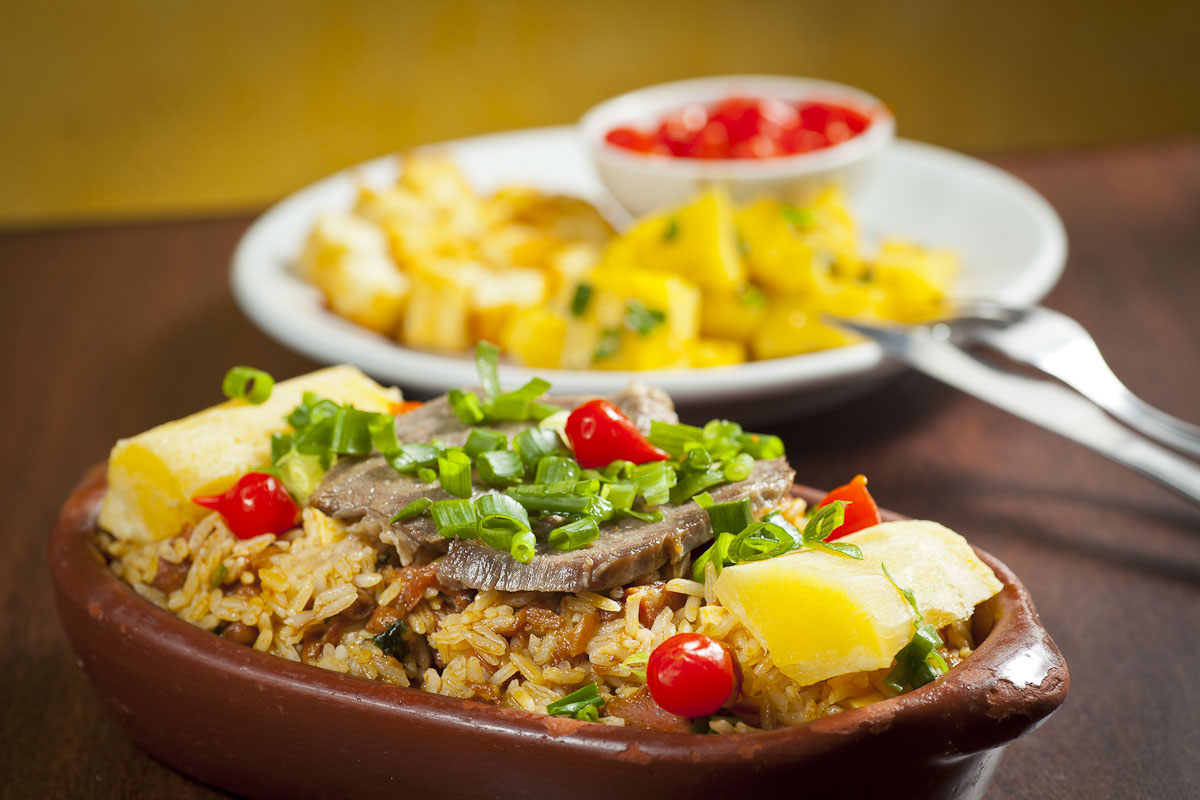 Baião de dois
🇧🇷 BrazilRice and beans cooked together, often with cheese and dried meat, from Northeast Brazil
Main dish, Dinner
Baião de dois
🇧🇷 BrazilRice and beans cooked together, often with cheese and dried meat, from Northeast Brazil
Main dish, Dinner
 Kebabكَبَاب
🇹🇷 Turkey and 5 moreGrilled or roasted meat, often on skewers, found across the Middle East and beyond
Main dish, Lunch, Dinner
Kebabكَبَاب
🇹🇷 Turkey and 5 moreGrilled or roasted meat, often on skewers, found across the Middle East and beyond
Main dish, Lunch, Dinner