
Fesikh
In its own language: فسيخ
Salted, fermented and dried fish eaten for Egypt’s spring festival
Fesikh is a traditional Egyptian food made by salting, fermenting and drying gray mullet, a fish found in the Mediterranean and Red Seas. It is especially eaten during Sham Ennessim, Egypt’s spring festival, but also appears at other times. In western Egypt, whitefish can be used instead. Fesikh is part of a food tradition that goes back to ancient Egypt.
- Fesikh is eaten mainly during Egypt’s Sham Ennessim spring festival
- It is made by salting, fermenting and drying gray mullet
- The tradition of fesikh dates back to ancient Egypt
- Improperly prepared fesikh can cause food poisoning
- In Gaza, fesikh is sometimes fried or cooked with onions
What is Fesikh?
Fesikh is made from gray mullet, a saltwater fish, which is heavily salted, then left to ferment and dry. The process gives the fish a strong, pungent smell and a firm, preserved texture. In some areas, whitefish may be used instead. The finished fish is usually eaten in pieces, sometimes with bread and raw vegetables. Its taste is salty and intense, with a pronounced fermented flavor that is an acquired taste for many.
Where does Fesikh come from?
Fesikh’s roots reach back to ancient Egypt. The Greek historian Herodotus described Egyptians eating fish preserved with brine or sun-dried, a method that closely matches how fesikh is made today. This food has been part of Egyptian spring celebrations for centuries, especially during Sham Ennessim, a holiday with origins in pharaonic times. The tradition of making and eating fesikh has continued largely unchanged, linking modern Egyptians with their ancestors.
How is Fesikh made?
To make fesikh, gray mullet is cleaned and packed with salt, then left to ferment and dry for a period. The process preserves the fish and develops its strong flavor. In some regions, whitefish may be used. The preparation requires care, as improper fermentation can make the fish unsafe to eat. The Egyptian Ministry of Health advises buying fesikh only from trusted sources or preparing it carefully at home.


How and when is Fesikh eaten?
Fesikh is most closely tied to Sham Ennessim, when families gather to eat it as part of the holiday meal. It can also be eaten at other times, but is most popular in spring. The fish is often served with bread and raw onions or vegetables to balance its salty taste. In the Gaza Strip, fesikh is sometimes stuffed with onions and fried, or cooked into a stew called yahni.
Kinds of Fesikh
While gray mullet is the standard fish for fesikh, whitefish is used in western Egypt. In the Gaza Strip, fesikh is prepared differently: it may be stuffed with onions and fried, or made into a stew. These regional differences reflect local tastes and available fish, but the core process of salting and fermenting remains the same.
What Fesikh means
Fesikh is a central part of the Sham Ennessim festival, a spring holiday that dates back to ancient Egypt and is now a national celebration. Despite occasional food safety warnings, Egyptians continue to eat fesikh as a festive tradition. The dish connects people to their history and is a symbol of continuity from ancient times to the present.
When Fesikh is on the table
Questions people ask about Fesikh
What is fesikh made of?
Fesikh is made from gray mullet, a saltwater fish, which is salted, fermented and dried. In some regions, whitefish is used instead.
Where does fesikh come from?
Fesikh is a traditional dish from Egypt, with a history that goes back to ancient Egyptian times. It is especially linked to the Sham Ennessim festival.
When is fesikh usually eaten?
Fesikh is most commonly eaten during Sham Ennessim, Egypt’s spring festival, but it can also be eaten at other times of the year.
Is fesikh safe to eat?
Fesikh can be unsafe if not prepared properly, as improper fermentation may cause food poisoning. It is recommended to buy it from trusted vendors or prepare it carefully at home.
Are there different kinds of fesikh?
Yes. While gray mullet is standard in Egypt, whitefish is used in some regions. In Gaza, fesikh may be stuffed with onions and fried, or made into a stew.
Good reading and sources
The facts on this page come from the Wikipedia article "Fesikh", written by its contributors and used under the CC BY-SA 4.0 licence, and from its Wikidata record (CC0). Thali rewrote the text in its own words, with AI assistance, and compares every page with the article to make sure no passage is copied. It may be reused under the same CC BY-SA 4.0 licence with a link back.
It may contain mistakes, and it is not dietary or allergy advice: recipes differ from cook to cook. If something is wrong, tell us. Last refreshed 2026-10-03.
More from Egypt
All the food of Egypt ShawarmaMeatشاورما
🇸🇾 Syria and 5 moreMeat roasted on a vertical spit and sliced into flatbread with sauces and vegetables
Street food, Lunch, Dinner
Easter egg
🇷🇺 Russia and 5 moreEggs dyed or decorated for Easter, symbolizing resurrection and new life
Sweet or dessert, Breakfast, Snacks
ShawarmaMeatشاورما
🇸🇾 Syria and 5 moreMeat roasted on a vertical spit and sliced into flatbread with sauces and vegetables
Street food, Lunch, Dinner
Easter egg
🇷🇺 Russia and 5 moreEggs dyed or decorated for Easter, symbolizing resurrection and new life
Sweet or dessert, Breakfast, Snacks
 HummusVegan
🇸🇾 Syria and 5 moreMashed chickpeas blended with tahini, lemon, and garlic, served as a dip or spread
Sauce, pickle or ferment, Breakfast, Lunch
HummusVegan
🇸🇾 Syria and 5 moreMashed chickpeas blended with tahini, lemon, and garlic, served as a dip or spread
Sauce, pickle or ferment, Breakfast, Lunch
 Moussakaμουσακάς
🇬🇷 Greece and 5 moreBaked casserole of eggplant or potato, often layered with meat and sauce
Main dish, Lunch, Dinner
Moussakaμουσακάς
🇬🇷 Greece and 5 moreBaked casserole of eggplant or potato, often layered with meat and sauce
Main dish, Lunch, Dinner
Its cousins elsewhere
All main dishes Paella
🇪🇸 Spain and 1 moreRice cooked with meat, seafood or vegetables in a wide shallow pan from Valencia
Main dish, Lunch
Paella
🇪🇸 Spain and 1 moreRice cooked with meat, seafood or vegetables in a wide shallow pan from Valencia
Main dish, Lunch
 Crêpe
🇫🇷 FranceThin French pancakes, served sweet or savoury with a range of fillings
Main dish, Breakfast, Lunch
Crêpe
🇫🇷 FranceThin French pancakes, served sweet or savoury with a range of fillings
Main dish, Breakfast, Lunch
 ChapatiVeganचपाती
🇮🇳 India and 4 moreUnleavened flatbread cooked on a griddle and served hot with meals
Bread, Breakfast, Lunch
ChapatiVeganचपाती
🇮🇳 India and 4 moreUnleavened flatbread cooked on a griddle and served hot with meals
Bread, Breakfast, Lunch
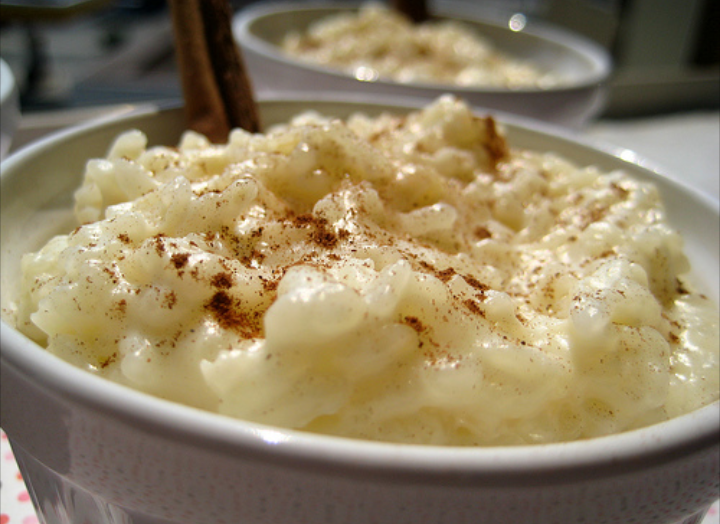 Rice pudding
🇮🇳 India and 4 moreSweetened rice cooked in milk, found in many forms worldwide
Sweet or dessert, Breakfast, Lunch
Rice pudding
🇮🇳 India and 4 moreSweetened rice cooked in milk, found in many forms worldwide
Sweet or dessert, Breakfast, Lunch