
Galbi-jjim
In its own language: 갈비찜
Korean short ribs simmered with soy sauce, vegetables and nuts
Galbi-jjim is a Korean dish of beef or pork short ribs slowly braised in a seasoned soy sauce with vegetables, nuts, and mushrooms. Traditionally served at special occasions like Chuseok, it is known for its tender meat and rich, savory-sweet flavors.
- Made with beef or pork short ribs braised in seasoned soy sauce
- Traditionally served at Chuseok, the Korean harvest festival
- Dongin-dong in Daegu is famous for its spicy galbi-jjim
- Includes nuts and mushrooms added near the end of cooking
What is Galbi-jjim?
Galbi-jjim is a Korean braised dish made with beef or pork short ribs. The ribs are simmered in a mixture of soy sauce, sesame oil, garlic, scallions, ginger juice, sugar, and pepper, along with vegetables and nuts such as carrots, jujubes, pine nuts, chestnuts, and mushrooms. The result is tender meat in a glossy, savory-sweet sauce. It is usually served in a deep bowl, sometimes covered, and is known for its rich aroma and complex flavors from the blend of seasonings and slow cooking.
Where does Galbi-jjim come from?
Galbi-jjim has roots in Korean festive cooking and was traditionally served at Chuseok, the autumn harvest festival, alongside other special dishes. Because it uses the center part of the rib, which was more expensive, galbi-jjim was considered a high-class dish in South Korea. Over time, it became popular beyond holidays and is now enjoyed throughout the year. The dish has regional variations, including a spicy version from Dongin-dong, Daegu, and a pork-based type from Gyeonggi Province.
How is Galbi-jjim made?
To prepare galbi-jjim, short ribs are cut to size and soaked to remove excess blood. Knife cuts are made into the meat to help the marinade penetrate. The ribs are trimmed of fat and then simmered with a mixture of soy sauce, sesame oil, garlic, scallions, ginger juice, sugar, and pepper. As the meat cooks, more seasoning is added along with jujubes, ginkgo nuts, carrots, and pine nuts. Near the end, chestnuts and mushrooms are included. The dish is cooked slowly, allowing the flavors to meld and the meat to become very tender.

How and when is Galbi-jjim eaten?
Galbi-jjim is typically eaten hot, served in a bowl rather than on a plate. It is a main course for lunch or dinner and can be part of a festive meal, especially during Chuseok. The dish is often shared at the table, with diners picking pieces of rib and vegetables from the communal bowl. In some regions, it is also enjoyed as anju, a dish served with alcoholic drinks like makgeolli.
Kinds of Galbi-jjim
There are several regional and ingredient-based variations of galbi-jjim. In Dongin-dong, Daegu, a spicy version was created in the 1970s and is still popular there. Gyeonggi Province is known for jong-galbijjim, a pork rib version marinated and cooked with similar seasonings. Some versions use beef, others pork, and the level of spiciness or the mix of nuts and mushrooms may vary by region and family tradition.
What Galbi-jjim means
Galbi-jjim holds a special place in Korean culture as a dish for celebrations and important holidays. Its association with Chuseok, the harvest festival, marks it as a food of abundance and festivity. The dish is also linked to regional pride, especially in places like Dongin-dong, which is famous for its spicy galbi-jjim. Once considered a luxury due to the cost of the meat, it is now a dish enjoyed by many families on special occasions and in everyday life.
When Galbi-jjim is on the table
Questions people ask about Galbi-jjim
What is galbi-jjim made of?
Galbi-jjim is made from beef or pork short ribs, simmered with soy sauce, sesame oil, garlic, scallions, ginger juice, sugar, pepper, and often includes vegetables, nuts, and mushrooms.
Where does galbi-jjim come from?
Galbi-jjim comes from South Korea and is especially associated with festive occasions like Chuseok. Regional versions exist, such as the spicy style from Dongin-dong, Daegu.
Is galbi-jjim always spicy?
Not all galbi-jjim is spicy. The classic version is savory and slightly sweet, but a spicy variation is popular in Dongin-dong, Daegu.
When is galbi-jjim usually eaten?
Galbi-jjim is often eaten during lunch or dinner, especially at festivals like Chuseok, but it is also enjoyed as an everyday dish.
How is galbi-jjim served?
It is served hot in a bowl, often covered, with the tender ribs and vegetables in a rich, glossy sauce.
Good reading and sources
The facts on this page come from the Wikipedia article "Galbi-jjim", written by its contributors and used under the CC BY-SA 4.0 licence, and from its Wikidata record (CC0). Thali rewrote the text in its own words, with AI assistance, and compares every page with the article to make sure no passage is copied. It may be reused under the same CC BY-SA 4.0 licence with a link back.
It may contain mistakes, and it is not dietary or allergy advice: recipes differ from cook to cook. If something is wrong, tell us. Last refreshed 2026-10-03.
More from South Korea
All the food of South Korea KabochaVeganカボチャ
🇯🇵 Japan and 5 moreA sweet, dense winter squash with edible skin, used in Japanese and Asian cooking
Main dish, Lunch, Dinner
KabochaVeganカボチャ
🇯🇵 Japan and 5 moreA sweet, dense winter squash with edible skin, used in Japanese and Asian cooking
Main dish, Lunch, Dinner
 Bibimbap비빔밥
🇰🇷 South Korea and 1 moreKorean rice bowl with mixed vegetables, meat, egg and chili paste
Main dish, Lunch, Dinner
Bibimbap비빔밥
🇰🇷 South Korea and 1 moreKorean rice bowl with mixed vegetables, meat, egg and chili paste
Main dish, Lunch, Dinner
 Udonうどん / 饂飩
🇯🇵 Japan and 4 moreThick wheat noodles served hot or cold in Japanese cooking
Noodle or pasta dish, Lunch, Dinner
Udonうどん / 饂飩
🇯🇵 Japan and 4 moreThick wheat noodles served hot or cold in Japanese cooking
Noodle or pasta dish, Lunch, Dinner
Its cousins elsewhere
All main dishes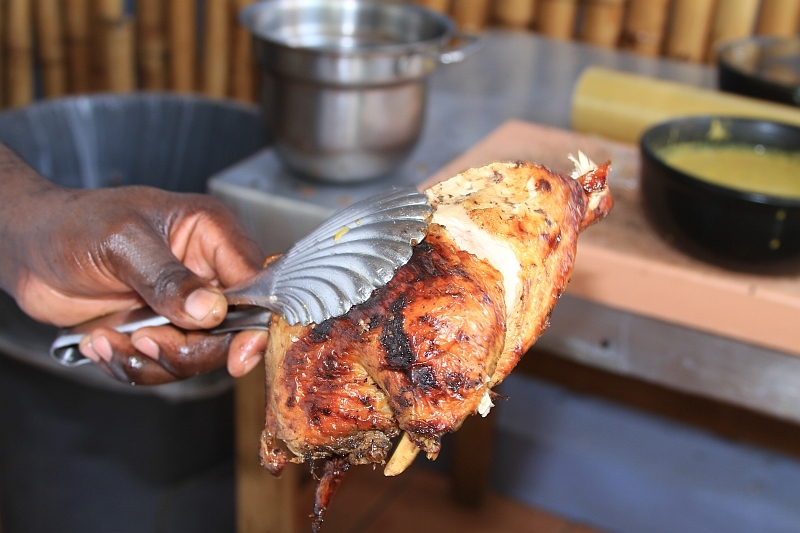 Jerk
🇯🇲 Jamaica and 5 moreMeat marinated with hot spices and smoked over pimento wood
Main dish, Lunch, Dinner
Jerk
🇯🇲 Jamaica and 5 moreMeat marinated with hot spices and smoked over pimento wood
Main dish, Lunch, Dinner
 GoulashMeatgulyás
🇭🇺 Hungary and 5 moreA paprika-spiced meat and vegetable soup from Hungary
Soup, Lunch, Dinner
GoulashMeatgulyás
🇭🇺 Hungary and 5 moreA paprika-spiced meat and vegetable soup from Hungary
Soup, Lunch, Dinner
 Catatos
🇦🇴 AngolaFried caterpillars with garlic, a specialty from Angola's Uíge Province
Main dish, Lunch, Dinner
Catatos
🇦🇴 AngolaFried caterpillars with garlic, a specialty from Angola's Uíge Province
Main dish, Lunch, Dinner
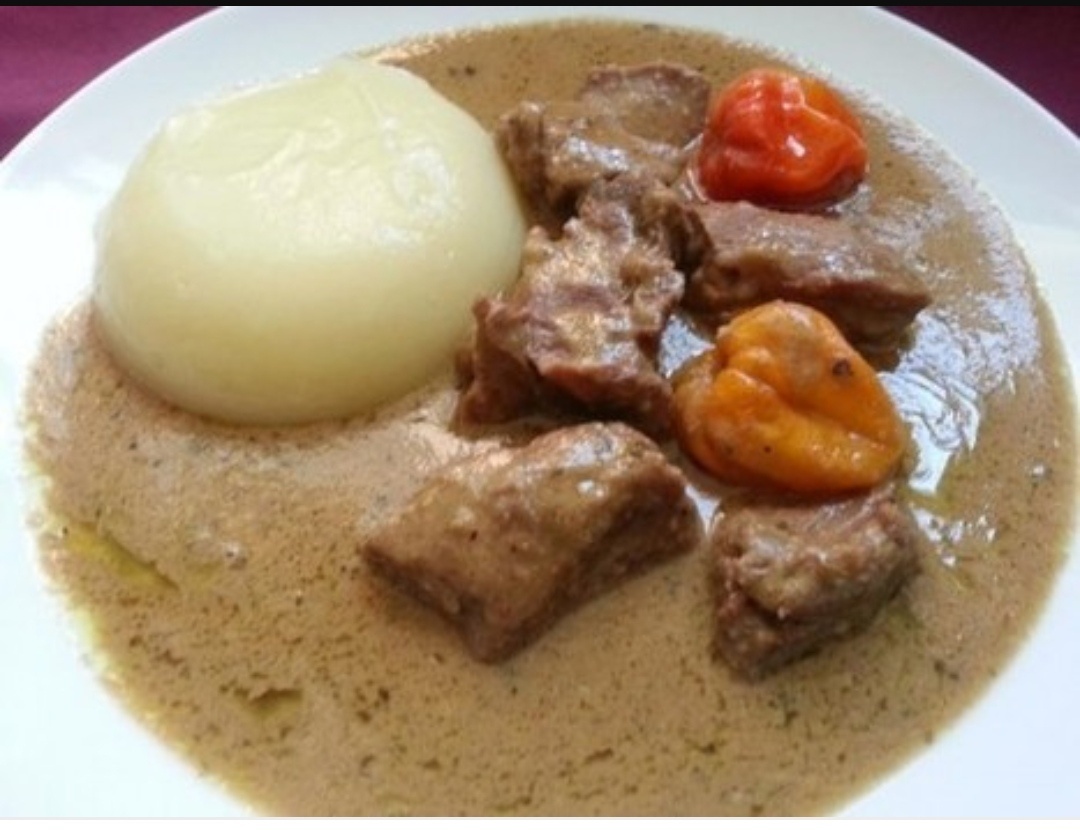 Peanut stew
🇸🇳 Senegal and 5 moreA rich West African stew of meat and vegetables in a spiced peanut sauce
Stew or curry, Lunch, Dinner
Peanut stew
🇸🇳 Senegal and 5 moreA rich West African stew of meat and vegetables in a spiced peanut sauce
Stew or curry, Lunch, Dinner