
Hibiscus tea
A tart, ruby-red drink made from roselle flower calyces, served hot or cold
Hibiscus tea is a bright red or deep purple drink made by steeping the dried calyces of the roselle flower. It is enjoyed both hot and cold in many parts of Africa, the Americas, the Caribbean, and Southeast Asia. The drink is known for its sharp, fruity taste, similar to cranberry, and is often sweetened or flavored with spices or citrus.
- Made from the dried calyces of the roselle flower
- Known for its bright red color and tart, fruity taste
- Served hot or cold, often sweetened or spiced
- Popular in Africa, the Caribbean, and Latin America
- Called 'zobo', 'sobolo', 'karkade', and 'agua de jamaica' in different regions
What is Hibiscus tea?
Hibiscus tea is made by soaking the dried, colorful outer parts of the roselle flower in water. The resulting drink has a vivid red or purple color and a tangy, fruity flavor that brings to mind cranberry or grape juice. It is often sweetened and may be spiced with ginger or clove, or flavored with citrus or mint. The drink can be served either hot or chilled, depending on local custom. Its striking color comes from natural pigments called anthocyanins found in the flower.
Where does Hibiscus tea come from?
The roselle plant, used for hibiscus tea, was first cultivated in West Africa, where it was valued for both its seeds and its bright calyces. From there, the drink spread to other regions, including North Africa, the Americas, and Southeast Asia. In Mexico and the Caribbean, enslaved Africans introduced the plant and the custom of making this drink. Over time, hibiscus tea became a familiar refreshment in markets and homes across several continents.
How is Hibiscus tea made?
To make hibiscus tea, dried roselle calyces are steeped in water until the liquid turns a deep red. Sugar is often added to balance the tartness, and in many places, ginger, clove, or citrus peel are simmered with the flowers for extra flavor. The mixture is strained to remove solids, and the drink can be poured over ice or served warm. In some regions, mint or orange essence is added just before serving.


How and when is Hibiscus tea eaten?
Hibiscus tea is enjoyed throughout the day as a cooling refreshment or a warming drink, depending on the weather and local tradition. In West Africa and the Caribbean, it is commonly served cold, sometimes with mint or spices. In North Africa and parts of Europe, it is often sipped hot, sometimes sweetened and brightened with lemon or orange. The drink is popular at gatherings and celebrations, and in some cultures, it is part of wedding toasts or holiday meals.
Kinds of Hibiscus tea
The drink goes by many names and takes on different flavors in each region. In Nigeria, 'zobo' is made with ginger and clove; in Ghana, 'sobolo' may include orange essence. Mexico's 'agua de jamaica' is a chilled, sweetened version, while in Egypt and Sudan, 'karkade' is a traditional hot beverage. In Jamaica, a spiced version is a Christmas tradition. Southeast Asian versions are often heavily sweetened and served over ice.
What Hibiscus tea means
Hibiscus tea holds a special place in several cultures. In Egypt and Sudan, it is a traditional drink for wedding celebrations and is sold by street vendors and cafés. In Jamaica, it is part of Christmas festivities. In the Americas, it is linked to African heritage and is one of the 'red drinks' in soul food traditions. The drink's vivid color and tart taste have made it a symbol of hospitality and celebration in many places.
Questions people ask about Hibiscus tea
What is hibiscus tea made from?
Hibiscus tea is prepared by steeping the dried calyces of the roselle flower in water. It is often sweetened and sometimes flavored with spices like ginger or clove, or with citrus.
Where does hibiscus tea come from?
The drink has its roots in West Africa, where the roselle plant was first cultivated. It later spread to North Africa, the Americas, the Caribbean, and Southeast Asia.
What does hibiscus tea taste like?
It has a sharp, fruity flavor that is often compared to cranberry or grape juice. The taste is usually balanced with sugar and sometimes enhanced with spices or citrus.
How is hibiscus tea usually served?
Depending on the region, hibiscus tea can be served hot or cold. In some countries, it is a chilled, sweetened drink, while in others, it is enjoyed warm, sometimes with added lemon or orange.
Are there different names for hibiscus tea?
Yes, it is called zobo in Nigeria, sobolo in Ghana, karkade in Egypt and Sudan, agua de jamaica in Mexico, and sorrel in Jamaica.
Good reading and sources
- A Brief History of Red DrinkSmithsonian Magazine, Article
- The History of Hibiscus Drinks in the African DiasporaSerious Eats, Article
The facts on this page come from the Wikipedia article "Hibiscus tea", written by its contributors and used under the CC BY-SA 4.0 licence, and from its Wikidata record (CC0). Thali rewrote the text in its own words, with AI assistance, and compares every page with the article to make sure no passage is copied. It may be reused under the same CC BY-SA 4.0 licence with a link back.
It may contain mistakes, and it is not dietary or allergy advice: recipes differ from cook to cook. If something is wrong, tell us. Last refreshed 2026-10-03.
More from Nigeria
All the food of Nigeria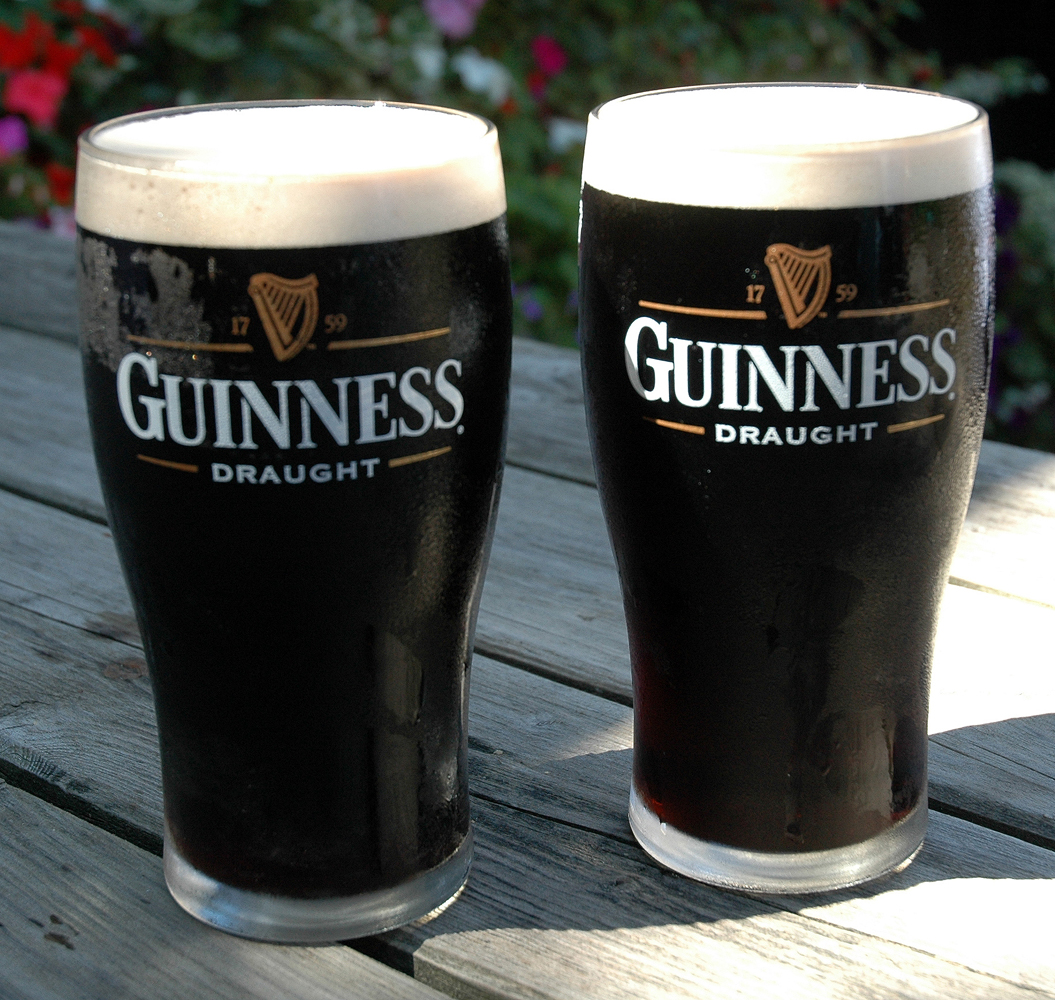 GuinnessVegan
🇮🇪 Ireland and 5 moreA dark Irish stout with a creamy head and dry, roasted flavour
Drink
GuinnessVegan
🇮🇪 Ireland and 5 moreA dark Irish stout with a creamy head and dry, roasted flavour
Drink
 Palm wineVegan
🇳🇬 Nigeria and 5 moreA lightly alcoholic drink made by fermenting the sap of palm trees
Drink
Palm wineVegan
🇳🇬 Nigeria and 5 moreA lightly alcoholic drink made by fermenting the sap of palm trees
Drink
 PitoVegan
🇬🇭 Ghana and 1 moreA traditional West African beer brewed from millet or sorghum
Drink
PitoVegan
🇬🇭 Ghana and 1 moreA traditional West African beer brewed from millet or sorghum
Drink
 KunuVegan
🇳🇬 Nigeria and 1 moreA traditional Nigerian drink made from grains or tiger nuts
Drink, Snacks
KunuVegan
🇳🇬 Nigeria and 1 moreA traditional Nigerian drink made from grains or tiger nuts
Drink, Snacks
Its cousins elsewhere
All drinks KahwahVegan
🇮🇳 India and 2 moreA spiced green tea from Kashmir, often served with saffron and nuts
Drink
KahwahVegan
🇮🇳 India and 2 moreA spiced green tea from Kashmir, often served with saffron and nuts
Drink
 Masala chaiVegetarianचाय
🇮🇳 India and 2 moreBlack tea brewed with milk, spices and sugar, served hot across India
Drink, Breakfast, Tea time
Masala chaiVegetarianचाय
🇮🇳 India and 2 moreBlack tea brewed with milk, spices and sugar, served hot across India
Drink, Breakfast, Tea time
 AmazakeVegan甘酒
🇯🇵 JapanSweet Japanese drink made from fermented rice, served warm or cold
Drink, Snacks
AmazakeVegan甘酒
🇯🇵 JapanSweet Japanese drink made from fermented rice, served warm or cold
Drink, Snacks
 Ginger teaVegan
🇮🇩 Indonesia and 5 moreA hot drink made by steeping ginger root, often with tea, sweetener or milk
Drink, Breakfast, Snacks
Ginger teaVegan
🇮🇩 Indonesia and 5 moreA hot drink made by steeping ginger root, often with tea, sweetener or milk
Drink, Breakfast, Snacks