
Masala chai
In its own language: चाय
Black tea brewed with milk, spices and sugar, served hot across India
Masala chai is a hot drink from India made by brewing black tea with milk, sugar, and a mix of spices such as ginger and cardamom. It is sold everywhere from roadside stalls to homes, and is enjoyed daily across the Indian subcontinent and beyond. Each family or region may use a different blend of spices.
- Masala chai is made by brewing black tea with milk, sugar, and spices.
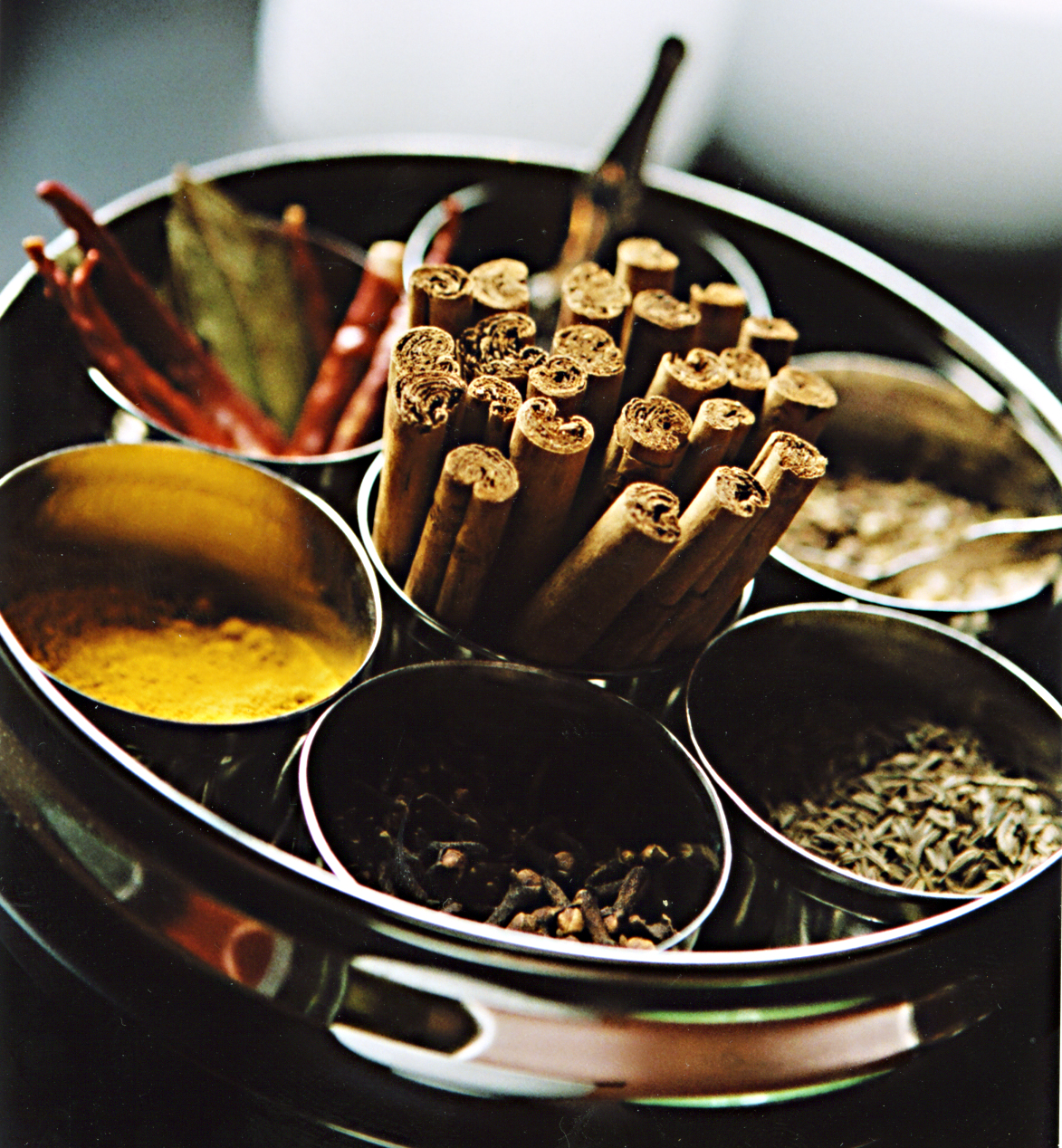
- Common spices include cardamom, ginger, cinnamon, and sometimes clove or lemongrass.
- Chaiwalas serve masala chai at roadside stalls across India and Pakistan.
- Kashmiri chai uses green tea and is pink in color due to baking soda.
- Masala chai is now popular worldwide, including in coffee shops as 'chai latte'.
What is Masala chai?
Masala chai is a milky, spiced tea drink. It starts with black tea, usually Assam, brewed together with milk and water. Sugar is added for sweetness. The signature taste comes from a mix of spices, often including cardamom, ginger, cinnamon, and sometimes clove or lemongrass. The result is a creamy, aromatic drink with a warming, slightly sweet and spicy flavor. It is poured hot, sometimes into small clay cups called kulhar, and is a familiar sight at tea stalls and homes alike.
Where does Masala chai come from?
Tea plants have grown wild in Assam, India for centuries, but tea became a daily drink only after the British began cultivating plantations in the 19th century. At first, tea was promoted as a simple drink with milk and sugar. Vendors and households began adding their own blends of spices, creating what is now known as masala chai. The drink spread quickly, helped by tea stalls along India's expanding railway network. Today, masala chai is a daily habit for millions and has become popular worldwide.
How is Masala chai made?
To make masala chai, water and milk are heated together in a pot. Spices such as grated ginger, crushed cardamom, cinnamon, and sometimes clove or lemongrass are added and simmered. Black tea leaves are then brewed in this mixture. After steeping, the tea is strained and sweetened with sugar or other sweeteners like honey or jaggery. The drink is served hot, often in small glasses or clay cups.


How and when is Masala chai eaten?
Masala chai is drunk throughout the day, often at breakfast or during tea breaks. In India and Pakistan, it is sold by chaiwalas, or tea vendors, who serve it in small cups at roadside stalls. It is common to share a cup with friends or colleagues, and it may be served with snacks like biscuits or samosas. In Mumbai, a smaller serving called 'cutting chai' is popular. The drink is part of daily routines and social gatherings.
Kinds of Masala chai
Spice blends for masala chai vary by region and family. Some versions use more ginger or cardamom, while others add black pepper, star anise, or mint. In western India, cloves and peppercorns are often left out. In Bhopal, a pinch of salt is added. Kashmiri chai uses green tea and baking soda, giving it a pink color and a more savory taste. Outside India, chai is sometimes made with syrups or concentrates, and 'chai latte' versions use steamed milk.
What Masala chai means
Masala chai is woven into daily life across the Indian subcontinent. Chai stalls are gathering spots for conversation and rest. The drink is not tied to any particular festival or religion, but is a symbol of hospitality and comfort. In the Gulf region, a similar drink called chai karak is popular, brought by South Asian communities. In the West, chai has become a café staple, often adapted as 'chai latte'.
Questions people ask about Masala chai
What is masala chai made of?
Masala chai is made from black tea, milk, sugar, and a blend of spices such as cardamom, ginger, cinnamon, and sometimes clove or lemongrass.
Where does masala chai come from?
Masala chai comes from India, where it became popular after tea cultivation began in the 19th century. It is now enjoyed across the Indian subcontinent and beyond.
How is masala chai prepared?
Water and milk are heated with spices, then black tea leaves are brewed in the mixture. The tea is strained and sweetened before serving hot.
Is masala chai always made the same way?
No, the spices and proportions vary by region and family. Some use more ginger or cardamom, others add or leave out spices like clove, pepper, or lemongrass.
When is masala chai usually drunk?
Masala chai is drunk throughout the day, especially at breakfast or during tea breaks, and is a common part of daily life in India and neighboring countries.
Good reading and sources
The facts on this page come from the Wikipedia article "Masala chai", written by its contributors and used under the CC BY-SA 4.0 licence, and from its Wikidata record (CC0). Thali rewrote the text in its own words, with AI assistance, and compares every page with the article to make sure no passage is copied. It may be reused under the same CC BY-SA 4.0 licence with a link back.
It may contain mistakes, and it is not dietary or allergy advice: recipes differ from cook to cook. If something is wrong, tell us. Last refreshed 2026-10-03.
More from India
All the food of India TeaVegan茶
🇨🇳 China and 5 moreA drink made by soaking tea leaves in hot or cold water
Drink
TeaVegan茶
🇨🇳 China and 5 moreA drink made by soaking tea leaves in hot or cold water
Drink
 Ice cream
🇺🇸 United States and 5 moreA frozen dessert made from sweetened, flavoured milk or cream
Sweet or dessert, Snacks
Ice cream
🇺🇸 United States and 5 moreA frozen dessert made from sweetened, flavoured milk or cream
Sweet or dessert, Snacks
 Palm wineVegan
🇳🇬 Nigeria and 5 moreA lightly alcoholic drink made by fermenting the sap of palm trees
Drink
Palm wineVegan
🇳🇬 Nigeria and 5 moreA lightly alcoholic drink made by fermenting the sap of palm trees
Drink
 KahwahVegan
🇮🇳 India and 2 moreA spiced green tea from Kashmir, often served with saffron and nuts
Drink
KahwahVegan
🇮🇳 India and 2 moreA spiced green tea from Kashmir, often served with saffron and nuts
Drink
Its cousins elsewhere
All drinks Mulled wineGlühwein
🇬🇧 United Kingdom and 5 moreRed wine heated with spices and fruit, served hot at Christmas and winter gatherings
Drink, Tea time, Dinner
Mulled wineGlühwein
🇬🇧 United Kingdom and 5 moreRed wine heated with spices and fruit, served hot at Christmas and winter gatherings
Drink, Tea time, Dinner
 Hibiscus teaVegan
🇳🇬 Nigeria and 5 moreA tart, ruby-red drink made from roselle flower calyces, served hot or cold
Drink, Snacks
Hibiscus teaVegan
🇳🇬 Nigeria and 5 moreA tart, ruby-red drink made from roselle flower calyces, served hot or cold
Drink, Snacks
 MazamorraKaguyjy
🇪🇸 Spain and 10 moreTraditional corn-based dessert or drink found across Spain and Latin America
Drink, Breakfast, Lunch
MazamorraKaguyjy
🇪🇸 Spain and 10 moreTraditional corn-based dessert or drink found across Spain and Latin America
Drink, Breakfast, Lunch
 Chicha moradaVegan
🇵🇪 PeruA sweet purple drink made from Peruvian purple corn, fruits and spices
Drink
Chicha moradaVegan
🇵🇪 PeruA sweet purple drink made from Peruvian purple corn, fruits and spices
Drink