
Huangjiu
In its own language: 黄酒
Chinese rice wine brewed from grains and aged for depth of flavor
Huangjiu is a traditional Chinese rice wine made by fermenting grains like rice or millet with a starter called qu. It is most common in eastern China and Taiwan, and comes in a range of styles from dry to very sweet. The drink is often enjoyed warm, though some sweet types are served chilled in summer. Its color can vary from pale yellow to deep brown.
- Made from rice, glutinous rice, or millet with a fermentation starter called qu
- Alcohol content ranges from 8% to 20%
- Often enjoyed warm, but sweet types may be served chilled
- Aged varieties can develop deep flavors and aromas
- Shaoxing and Wuxi are known for their famous huangjiu styles
What is Huangjiu?
Huangjiu is a Chinese alcoholic drink made by fermenting grains such as rice, glutinous rice, or millet. The process uses a starter called qu, which contains molds and yeasts to break down the grains and produce alcohol. The finished drink can be anywhere from 8% to 20% alcohol and is usually filtered, pasteurized, and aged before bottling. Its color ranges from clear to brown, but is often a shade of yellow or orange. Some versions are aged for many years, developing complex aromas and flavors.
Where does Huangjiu come from?
Huangjiu has deep roots in Chinese history, especially in the eastern regions. It replaced earlier beer-like drinks after the method of using qu for fermentation was developed. The drink is linked to legends, including the story of Du Kang, who is credited with inventing it and later became the god of wine in Chinese tradition. Huangjiu has remained a favorite brewed drink in China, even as other alcoholic beverages have come and gone.
How is Huangjiu made?
To make huangjiu, grains are first polished, soaked, and acidified to prevent spoilage. They are then steamed and mixed with qu, which is a starter culture of molds and yeasts. The mixture ferments at cool temperatures for several weeks. After fermentation, the liquid is filtered, pasteurized, and aged to develop its flavor. Some types use different starters or add herbs and spices for color or medicinal qualities. Water quality is considered very important in the process.


How and when is Huangjiu eaten?
Huangjiu is commonly served warm, which brings out its aroma and taste, especially in cooler months. In summer, sweeter varieties are sometimes enjoyed chilled or with ice. It can be sipped on its own or used in cooking, particularly in dishes from eastern China. Special types are chosen for ceremonies or family events, and some are given as gifts for weddings or other milestones.
Kinds of Huangjiu
There are many kinds of huangjiu, classified by sweetness, starter, and production method. Dry, semidry, semisweet, sweet, and extra-sweet versions exist, each with their own uses and traditions. Some, like Shaoxing wine and huadiao jiu, are famous in specific regions. Cooking wines such as liaojiu are seasoned with spices and salt. Other types include those made with medicinal herbs or using different grains and fermentation techniques.
What Huangjiu means
Huangjiu holds a special place in Chinese culture, often compared to the role of beer in Europe. It is central to celebrations, rituals, and daily life in many regions. Certain varieties are tied to festivals or family events, and some have stories or customs attached, such as burying wine for a daughter's wedding. The drink's reputation is also linked to the purity of local water, and some brands are prized for their age and craftsmanship.
Questions people ask about Huangjiu
What is huangjiu made from?
Huangjiu is made by fermenting grains such as rice, glutinous rice, or millet, using a starter called qu that contains molds and yeasts. Water quality is also considered important in its production.
Where does huangjiu come from?
Huangjiu is a traditional drink from China, especially popular in the eastern regions like Shaoxing and Wuxi. It is also produced in Taiwan.
How strong is huangjiu?
The alcohol content of huangjiu usually falls between 8% and 20%, depending on the style and method of fermentation.
How is huangjiu usually served?
It is most often served warm to enhance its aroma and flavor, but sweet types may be enjoyed chilled or over ice, especially in summer.
Are there different types of huangjiu?
Yes, huangjiu comes in a range of styles from dry to extra-sweet, and can be made with different starters, grains, and production methods. Some types are used for drinking, while others are made for cooking.
Good reading and sources
The facts on this page come from the Wikipedia article "Huangjiu", written by its contributors and used under the CC BY-SA 4.0 licence, and from its Wikidata record (CC0). Thali rewrote the text in its own words, with AI assistance, and compares every page with the article to make sure no passage is copied. It may be reused under the same CC BY-SA 4.0 licence with a link back.
It may contain mistakes, and it is not dietary or allergy advice: recipes differ from cook to cook. If something is wrong, tell us. Last refreshed 2026-10-03.
More from China
All the food of China TeaVegan茶
🇨🇳 China and 5 moreA drink made by soaking tea leaves in hot or cold water
Drink
TeaVegan茶
🇨🇳 China and 5 moreA drink made by soaking tea leaves in hot or cold water
Drink
 KumisКымыз
🇲🇳 Mongolia and 4 moreFermented mare's milk drink from the Central Asian steppe
Drink
KumisКымыз
🇲🇳 Mongolia and 4 moreFermented mare's milk drink from the Central Asian steppe
Drink
 Bubble tea珍珠奶茶
🇹🇼 Taiwan and 5 moreSweet tea with chewy tapioca pearls, served hot or cold
Drink
Bubble tea珍珠奶茶
🇹🇼 Taiwan and 5 moreSweet tea with chewy tapioca pearls, served hot or cold
Drink
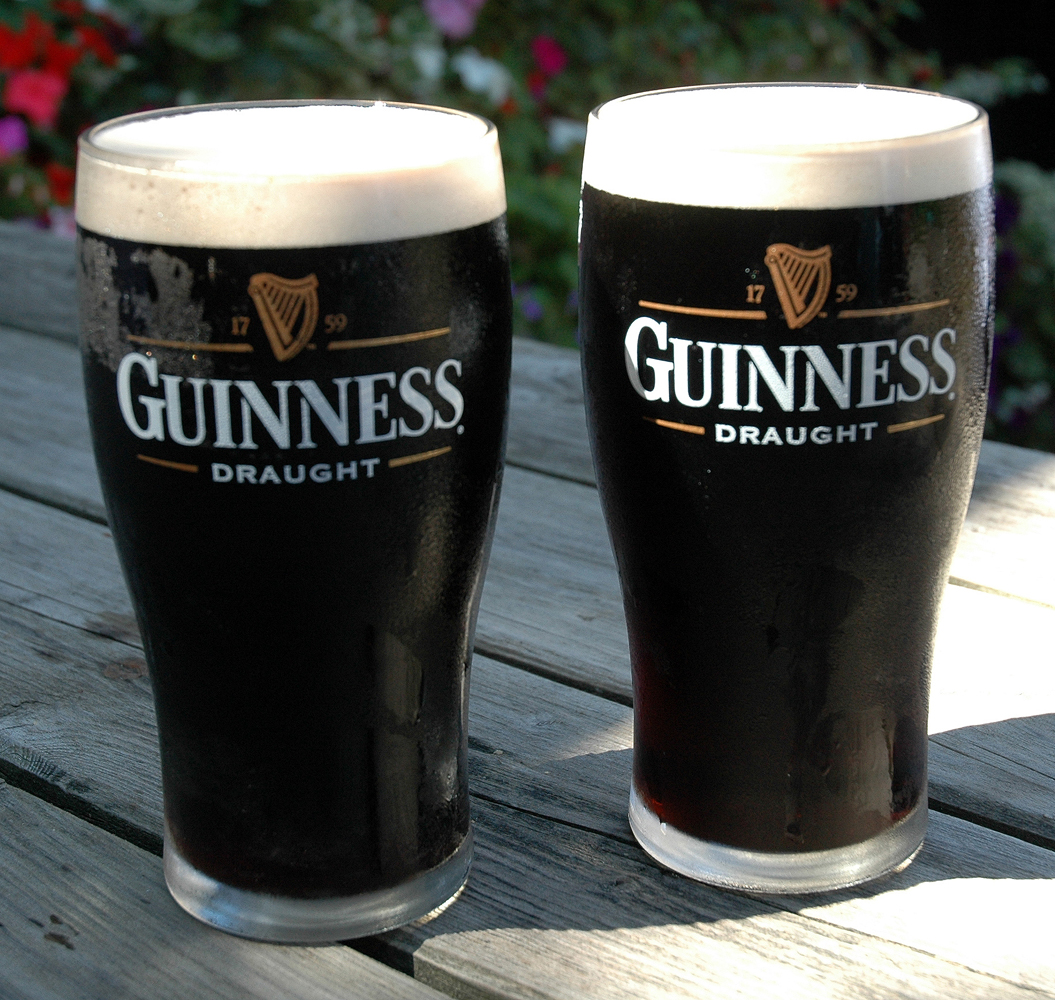 GuinnessVegan
🇮🇪 Ireland and 5 moreA dark Irish stout with a creamy head and dry, roasted flavour
Drink
GuinnessVegan
🇮🇪 Ireland and 5 moreA dark Irish stout with a creamy head and dry, roasted flavour
Drink
Its cousins elsewhere
All drinks Banana beerVegan
🇺🇬 Uganda and 4 moreA fermented drink made from ripe bananas and grains in East Africa
Drink
Banana beerVegan
🇺🇬 Uganda and 4 moreA fermented drink made from ripe bananas and grains in East Africa
Drink
 PitoVegan
🇬🇭 Ghana and 1 moreA traditional West African beer brewed from millet or sorghum
Drink
PitoVegan
🇬🇭 Ghana and 1 moreA traditional West African beer brewed from millet or sorghum
Drink
 Hot chocolate
🇲🇽 Mexico and 5 moreA warm drink made from chocolate or cocoa, milk or water, and sugar
Drink, Breakfast, Snacks
MbegeVegan
🇹🇿 TanzaniaMildly alcoholic banana and millet drink from Tanzania's Chagga people
Drink
Hot chocolate
🇲🇽 Mexico and 5 moreA warm drink made from chocolate or cocoa, milk or water, and sugar
Drink, Breakfast, Snacks
MbegeVegan
🇹🇿 TanzaniaMildly alcoholic banana and millet drink from Tanzania's Chagga people
Drink