
Banana beer
A fermented drink made from ripe bananas and grains in East Africa
Banana beer is an alcoholic drink made by fermenting mashed bananas with sorghum, millet, or maize flour. It is found in Uganda, Kenya, Rwanda, Burundi, and Tanzania, where it is sometimes served at rituals and ceremonies. The drink uses special banana varieties and is often made at home or by small producers.
- Made by fermenting ripe bananas with grains like sorghum
- Known as mubisi, urwagwa, and other names in different countries
- Used in rituals and ceremonies in East Africa
- Tanzania's mbege is a traditional variety
- Commercial banana beers are also produced
What is Banana beer?
Banana beer is a traditional alcoholic beverage made by fermenting ripe bananas with grains such as sorghum, millet, or maize flour. The bananas used are usually East African Highland types, with a mix of harsh and mild-tasting varieties. The drink is cloudy and golden, with a sweet, fruity aroma and a tangy, slightly sour taste from fermentation. It is usually bottled and can be found both as a homemade drink and in commercial brands.
Where does Banana beer come from?
Banana beer comes from East Africa, where it is made in Uganda, Kenya, Rwanda, Burundi, and Tanzania. The drink has long been part of local customs and is sometimes used in rituals and ceremonies. Each country has its own name for the drink, such as mubisi in Uganda and urwagwa in Rwanda. The process and ingredients may vary slightly by region, but the use of ripe bananas and grains is common throughout.
How is Banana beer made?
To make banana beer, ripe bananas are first prepared by a special ripening process that uses banana leaves and sometimes fire to speed up ripening. Two types of bananas are mixed, peeled, and kneaded to extract juice. The juice is filtered and diluted with water. Ground and lightly roasted sorghum, or sometimes millet or maize flour, is added to provide wild yeast for fermentation. The mixture ferments for about a day, is filtered again, and then bottled. Commercial producers may pasteurize the beer to extend its shelf life.


How and when is Banana beer eaten?
Banana beer is usually drunk as a beverage at gatherings, ceremonies, and sometimes as part of daily life. It is served in bottles or poured into cups. The drink is enjoyed both at home and in communal settings. It can be consumed on its own or as part of celebrations, and is sometimes associated with special occasions or rituals.
Kinds of Banana beer
There are several local varieties of banana beer. In Tanzania, a similar drink called mbege is still brewed in the traditional way. Uganda also has mwenge bigere, made only with bananas and sorghum. Commercial brands such as Mongozo Banana Beer, Raha, and Agashya are available. The grains used and the exact banana varieties may differ by region.
What Banana beer means
Banana beer holds cultural significance in East African communities, where it is sometimes consumed during rituals and ceremonies. It is a symbol of hospitality and is often shared at social gatherings. The drink is also part of local economies, with both homemade and commercial versions available. Its production and consumption reflect traditional practices that are still maintained today.
Questions people ask about Banana beer
What is banana beer made of?
Banana beer is made from ripe bananas, usually mixed with sorghum, millet, or maize flour. Water is added, and the mixture is fermented to produce alcohol.
Where does banana beer come from?
Banana beer is traditional to East Africa, especially Uganda, Kenya, Rwanda, Burundi, and Tanzania.
How is banana beer made?
Ripe bananas are mashed and mixed with ground and roasted grains, then left to ferment for about a day. The liquid is filtered and bottled for drinking.
Is banana beer alcoholic?
Yes, banana beer is an alcoholic beverage produced by fermenting banana juice with grains.
When is banana beer usually consumed?
Banana beer is drunk both in everyday life and during rituals or ceremonies in East African communities.
Good reading and sources
The facts on this page come from the Wikipedia article "Banana beer", written by its contributors and used under the CC BY-SA 4.0 licence, and from its Wikidata record (CC0). Thali rewrote the text in its own words, with AI assistance, and compares every page with the article to make sure no passage is copied. It may be reused under the same CC BY-SA 4.0 licence with a link back.
It may contain mistakes, and it is not dietary or allergy advice: recipes differ from cook to cook. If something is wrong, tell us. Last refreshed 2026-10-03.
More from Uganda
All the food of Uganda ChapatiVeganचपाती
🇮🇳 India and 4 moreUnleavened flatbread cooked on a griddle and served hot with meals
Bread, Breakfast, Lunch
ChapatiVeganचपाती
🇮🇳 India and 4 moreUnleavened flatbread cooked on a griddle and served hot with meals
Bread, Breakfast, Lunch
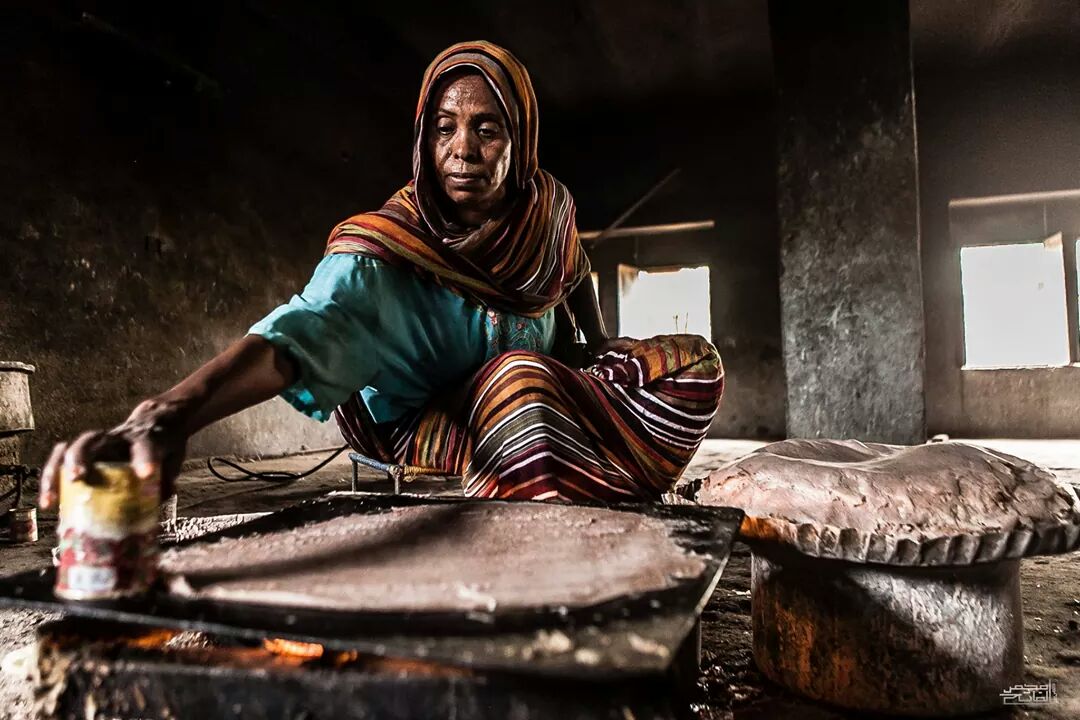 KisraVegan
🇸🇩 Sudan and 5 moreA thin, fermented sorghum flatbread from Sudan and neighboring countries
Bread
KisraVegan
🇸🇩 Sudan and 5 moreA thin, fermented sorghum flatbread from Sudan and neighboring countries
Bread
 MatokeVegan
🇺🇬 Uganda and 4 moreSteamed and mashed green bananas, a staple meal in East Africa
Main dish, Breakfast, Lunch
MatokeVegan
🇺🇬 Uganda and 4 moreSteamed and mashed green bananas, a staple meal in East Africa
Main dish, Breakfast, Lunch
 Sukuma wikiVegan
🇰🇪 Kenya and 2 moreEast African collard greens sautéed with onion and spices, served with ugali
Main dish, Lunch, Dinner
Sukuma wikiVegan
🇰🇪 Kenya and 2 moreEast African collard greens sautéed with onion and spices, served with ugali
Main dish, Lunch, Dinner
Its cousins elsewhere
All drinks BozaVegan
🇹🇷 Turkey and 4 moreA thick, mildly alcoholic fermented grain drink from Turkey and the Balkans
Drink, Snacks
BozaVegan
🇹🇷 Turkey and 4 moreA thick, mildly alcoholic fermented grain drink from Turkey and the Balkans
Drink, Snacks
 BaijiuVegan白酒
🇨🇳 China and 1 moreClear Chinese spirit distilled from grain, with a range of aroma styles
Drink
BaijiuVegan白酒
🇨🇳 China and 1 moreClear Chinese spirit distilled from grain, with a range of aroma styles
Drink
 Huangjiu黄酒
🇨🇳 China and 1 moreChinese rice wine brewed from grains and aged for depth of flavor
Drink
Huangjiu黄酒
🇨🇳 China and 1 moreChinese rice wine brewed from grains and aged for depth of flavor
Drink
 TeaVegan茶
🇨🇳 China and 5 moreA drink made by soaking tea leaves in hot or cold water
Drink
TeaVegan茶
🇨🇳 China and 5 moreA drink made by soaking tea leaves in hot or cold water
Drink