
Juk
In its own language: 죽
Korean porridge made by simmering rice or grains until soft
Juk is a Korean porridge prepared by boiling rice or other grains and legumes in water until soft. It is often eaten warm, especially in the morning, and is valued as a gentle, nourishing food for the sick, elderly, and babies. There are many varieties, from plain rice to versions with abalone, chicken, pine nuts, or pumpkin.
- Juk is a soft porridge made by boiling rice or grains in water.
- Over forty varieties exist, including versions with abalone, chicken, or pine nuts.
- It is a traditional food for the sick, elderly, and babies in Korea.
- Patjuk, made with red beans, is eaten during the winter solstice.
- Juk is commonly served warm, often with kimchi or salted seafood.
What is Juk?
Juk is a Korean dish where rice or other grains are slowly simmered in water until they break down into a soft, thick porridge. The basic version uses just rice and water, resulting in a mild, almost bland base that is gentle on the stomach. Other ingredients such as beans, sesame seeds, nuts, pumpkin, or even abalone can be added for flavor and nutrition. Juk is usually served warm, and its texture is smooth and easy to eat, making it especially suitable for those who need gentle food.
Where does Juk come from?
Juk has deep roots in Korean food culture, with more than forty varieties mentioned in historical records. It has long been valued as a food for those recovering from illness, the elderly, and babies, thanks to its soft texture and easy digestibility. Some types, like abalone porridge (jeonbok-juk), were considered delicacies and even presented as gifts to royalty. Over time, juk has also served as a staple during times of famine and as a comforting everyday meal.
How is Juk made?
To make juk, rice or another grain is simmered in water until it becomes very soft and the mixture thickens. The simplest form uses only rice and water, but many versions include other ingredients such as chicken, abalone, pine nuts, pumpkin, or beans. Some varieties require soaking or grinding the main ingredients before cooking. Seasonings are usually mild, and the finished porridge is often garnished or served with side dishes for extra flavor.


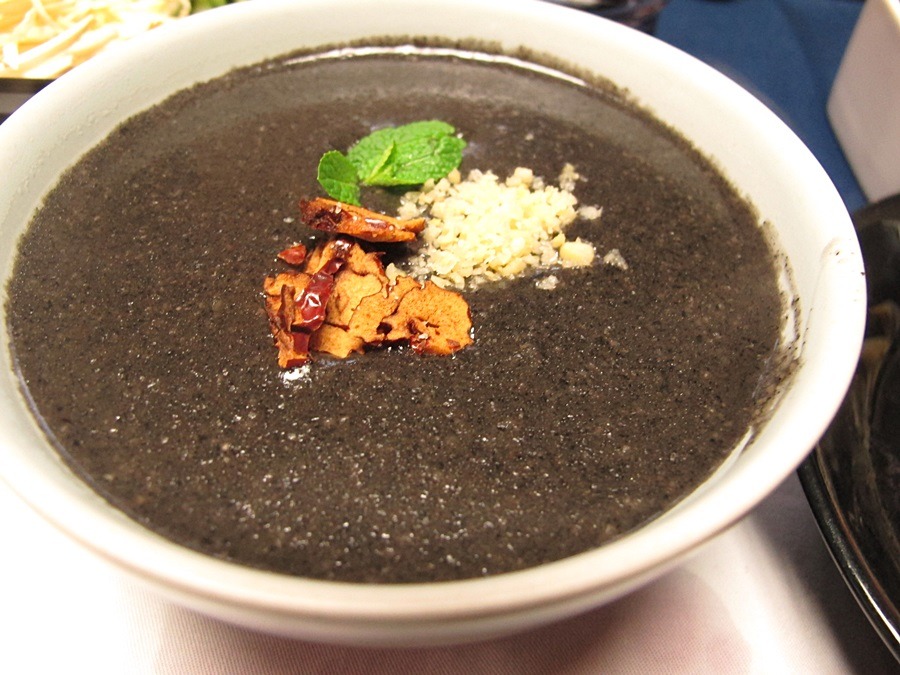

How and when is Juk eaten?
Juk is commonly eaten warm, especially for breakfast, but it is suitable for any meal or as a snack. It is a go-to dish for those who are ill, elderly, or very young, as it is easy to swallow and digest. The plain versions are typically served with flavorful side dishes such as salted seafood (jeotgal) or kimchi. Some types, like patjuk (red bean porridge), are eaten during specific festivals such as the winter solstice.
Kinds of Juk
There are many types of juk, each with its own main ingredient. Notable versions include jatjuk (pine nut), jeonbok-juk (abalone), yulmu-juk (Job's tears), patjuk (red bean), dakjuk (chicken), hobak-juk (pumpkin), and heugimja-juk (black sesame). Each region and household may have its own preferred style or ingredient, and juk can be made with or without meat or seafood, making it adaptable to different diets and occasions.
What Juk means
Juk holds a special place in Korean culture as a symbol of care and comfort, often prepared for those recovering from illness or for the elderly. It is also tied to seasonal and festive traditions, such as eating patjuk during the winter solstice to ward off evil spirits. Today, juk is widely available in restaurants and as takeout, reflecting its continued popularity as both a daily food and a dish for special needs.
When Juk is on the table
Questions people ask about Juk
What is juk made of?
Juk is usually made by simmering rice in water, but other grains, beans, nuts, pumpkin, or seafood like abalone can also be used.
Where does juk come from?
Juk is a traditional dish from Korea, with a long history and many regional and historical varieties.
When is juk usually eaten?
Juk can be eaten at any time of day, but is especially common as a warm breakfast or as food for those who are ill or elderly.
Are there different types of juk?
Yes, there are more than forty types, including versions with chicken, abalone, pine nuts, pumpkin, red beans, and more.
Is juk always vegetarian?
No, juk can be made with just grains and water, but some types include meat, seafood, or dairy, so it varies.
Good reading and sources
- Juk (Korean food) on WikipediaEncyclopedia
- More photos on Wikimedia CommonsPhotos
- Wikidata recordOpen data
The facts on this page come from the Wikipedia article "Juk (Korean food)", written by its contributors and used under the CC BY-SA 4.0 licence, and from its Wikidata record (CC0). Thali rewrote the text in its own words, with AI assistance, and compares every page with the article to make sure no passage is copied. It may be reused under the same CC BY-SA 4.0 licence with a link back.
It may contain mistakes, and it is not dietary or allergy advice: recipes differ from cook to cook. If something is wrong, tell us. Last refreshed 2026-10-03.
More from South Korea
All the food of South Korea KabochaVeganカボチャ
🇯🇵 Japan and 5 moreA sweet, dense winter squash with edible skin, used in Japanese and Asian cooking
Main dish, Lunch, Dinner
KabochaVeganカボチャ
🇯🇵 Japan and 5 moreA sweet, dense winter squash with edible skin, used in Japanese and Asian cooking
Main dish, Lunch, Dinner
 Congee粥
🇨🇳 China and 5 moreRice simmered in water to make a soft, comforting porridge
Main dish, Breakfast, Dinner
Congee粥
🇨🇳 China and 5 moreRice simmered in water to make a soft, comforting porridge
Main dish, Breakfast, Dinner
 Shabu-shabuしゃぶしゃぶ
🇯🇵 Japan and 4 moreJapanese hot pot where diners cook thin meat and vegetables at the table
Main dish, Dinner, Lunch
Shabu-shabuしゃぶしゃぶ
🇯🇵 Japan and 4 moreJapanese hot pot where diners cook thin meat and vegetables at the table
Main dish, Dinner, Lunch
 Odenおでん
🇯🇵 Japan and 3 moreJapanese one-pot dish of assorted items simmered in soy-flavored dashi broth
Soup, Dinner, Lunch
Odenおでん
🇯🇵 Japan and 3 moreJapanese one-pot dish of assorted items simmered in soy-flavored dashi broth
Soup, Dinner, Lunch
Its cousins elsewhere
All soups FanescaFish or seafood
🇪🇨 EcuadorEcuadorian soup with grains, pumpkin, and salt cod, served at Easter
Soup, Lunch
FanescaFish or seafood
🇪🇨 EcuadorEcuadorian soup with grains, pumpkin, and salt cod, served at Easter
Soup, Lunch
 Chicken soupMeat
🇺🇸 United States and 4 moreA hot soup of chicken simmered with vegetables, noodles or grains
Soup, Lunch, Dinner
Chicken soupMeat
🇺🇸 United States and 4 moreA hot soup of chicken simmered with vegetables, noodles or grains
Soup, Lunch, Dinner
 Chorba
🇩🇿 Algeria and 5 moreA family of hearty soups and stews found from North Africa to Central Asia
Soup
Chorba
🇩🇿 Algeria and 5 moreA family of hearty soups and stews found from North Africa to Central Asia
Soup
 GoulashMeatgulyás
🇭🇺 Hungary and 5 moreA paprika-spiced meat and vegetable soup from Hungary
Soup, Lunch, Dinner
GoulashMeatgulyás
🇭🇺 Hungary and 5 moreA paprika-spiced meat and vegetable soup from Hungary
Soup, Lunch, Dinner