
Keşkek
A ceremonial wheat and meat stew shared across Turkey, Armenia, and the region
Keşkek is a slow-cooked stew of wheat or barley with meat or chicken, prepared for ceremonies and gatherings in Turkey, Armenia, Iran, and parts of Greece and the Balkans. It is especially tied to weddings, religious festivals, and communal events, and is recognized by UNESCO as part of Turkey’s cultural heritage.
- Keşkek is recognized by UNESCO as part of Turkey's cultural heritage
- Traditionally served at weddings, festivals, and funerals
- Made by slow-cooking wheat or barley with meat or chicken
- Known as harissa in Armenia and keskék in Lesbos, Greece
What is Keşkek?
Keşkek is a thick, hearty stew made by simmering wheat or barley with either meat or chicken until the grains break down and the mixture becomes creamy. The dish is pale and porridge-like, often with visible shreds of meat. Its taste is mild and comforting, with the grains absorbing the flavor of the meat. Keşkek is usually served hot in large communal bowls at gatherings, and its texture is soft and filling.
Where does Keşkek come from?
The earliest known mention of keşkek is in a 14th-century Turkish epic. It has long been a part of rural and ceremonial life in Turkey, Armenia, Iran, and parts of Greece. The dish is linked to communal celebrations and rites, with similar preparations found under different names, such as harissa in Armenia and keskék in Lesbos, Greece. Its roots are debated, and it has become a symbol of shared but contested heritage in the region.
How is Keşkek made?
To make keşkek, wheat or barley is soaked and then slowly cooked with meat or chicken, often overnight. The grains and meat are simmered together until both are very soft, then pounded or stirred to blend them into a smooth, thick stew. In some places, the dish is prepared in large cauldrons for many guests, especially during festivals or ceremonies.
How and when is Keşkek eaten?
Keşkek is most often eaten at weddings, religious holidays, funerals, and other major communal events. It is served hot, usually as a main dish, and shared among many people. In some traditions, it is prepared overnight and eaten the next day. The dish is often accompanied by bread or simple sides, and the act of sharing keşkek is seen as a way to bring people together.
Kinds of Keşkek
Regional versions of keşkek use different grains or meats. In some areas, barley replaces wheat, or chicken is used instead of red meat. In Armenia, a similar dish called harissa is made with wheat and meat, but carries different cultural meanings. On the Greek island of Lesbos, keskék is cooked during festivals with wheat and beef from a ceremonial bull. The dish is also known as haşıl in parts of Turkey.
What Keşkek means
Keşkek holds a special place in the cultures of Turkey, Armenia, and neighboring regions, marking important life events and religious occasions. In 2011, UNESCO recognized the ceremonial keşkek tradition as part of Turkey’s intangible cultural heritage. Its shared history has also led to disputes over its origins, especially between Turkey and Armenia, reflecting broader questions of identity and heritage.
Questions people ask about Keşkek
What is keşkek made of?
Keşkek is made by simmering wheat or barley with meat or chicken until both are very soft, creating a thick, creamy stew.
Where does keşkek come from?
Keşkek is found in Turkey, Armenia, Iran, and parts of Greece and the Balkans, with each region having its own traditions around the dish.
When is keşkek usually eaten?
Keşkek is prepared for special occasions such as weddings, religious festivals, and funerals, and is shared among many people.
Is keşkek recognized internationally?
Yes, in 2011, the ceremonial tradition of keşkek was inscribed by UNESCO as part of Turkey’s intangible cultural heritage.
Are there different versions of keşkek?
Yes, variations exist across regions, with some using barley instead of wheat or chicken instead of red meat. In Armenia, a similar dish is called harissa.
Good reading and sources
The facts on this page come from the Wikipedia article "Keşkek", written by its contributors and used under the CC BY-SA 4.0 licence, and from its Wikidata record (CC0). Thali rewrote the text in its own words, with AI assistance, and compares every page with the article to make sure no passage is copied. It may be reused under the same CC BY-SA 4.0 licence with a link back.
It may contain mistakes, and it is not dietary or allergy advice: recipes differ from cook to cook. If something is wrong, tell us. Last refreshed 2026-10-03.
More from Turkey
All the food of Turkey Kebabكَبَاب
🇹🇷 Turkey and 5 moreGrilled or roasted meat, often on skewers, found across the Middle East and beyond
Main dish, Lunch, Dinner
Kebabكَبَاب
🇹🇷 Turkey and 5 moreGrilled or roasted meat, often on skewers, found across the Middle East and beyond
Main dish, Lunch, Dinner
 Pilaf
🇺🇿 Uzbekistan and 5 moreRice cooked in stock with spices, meat or vegetables, with each grain kept separate
Main dish, Lunch, Dinner
Pilaf
🇺🇿 Uzbekistan and 5 moreRice cooked in stock with spices, meat or vegetables, with each grain kept separate
Main dish, Lunch, Dinner
 Moussakaμουσακάς
🇬🇷 Greece and 5 moreBaked casserole of eggplant or potato, often layered with meat and sauce
Main dish, Lunch, Dinner
Moussakaμουσακάς
🇬🇷 Greece and 5 moreBaked casserole of eggplant or potato, often layered with meat and sauce
Main dish, Lunch, Dinner
 Freekehفريكة
🇵🇸 Palestine and 5 moreRoasted green durum wheat grains, a staple across the eastern Mediterranean
Main dish, Lunch, Dinner
Freekehفريكة
🇵🇸 Palestine and 5 moreRoasted green durum wheat grains, a staple across the eastern Mediterranean
Main dish, Lunch, Dinner
Its cousins elsewhere
All stews and curries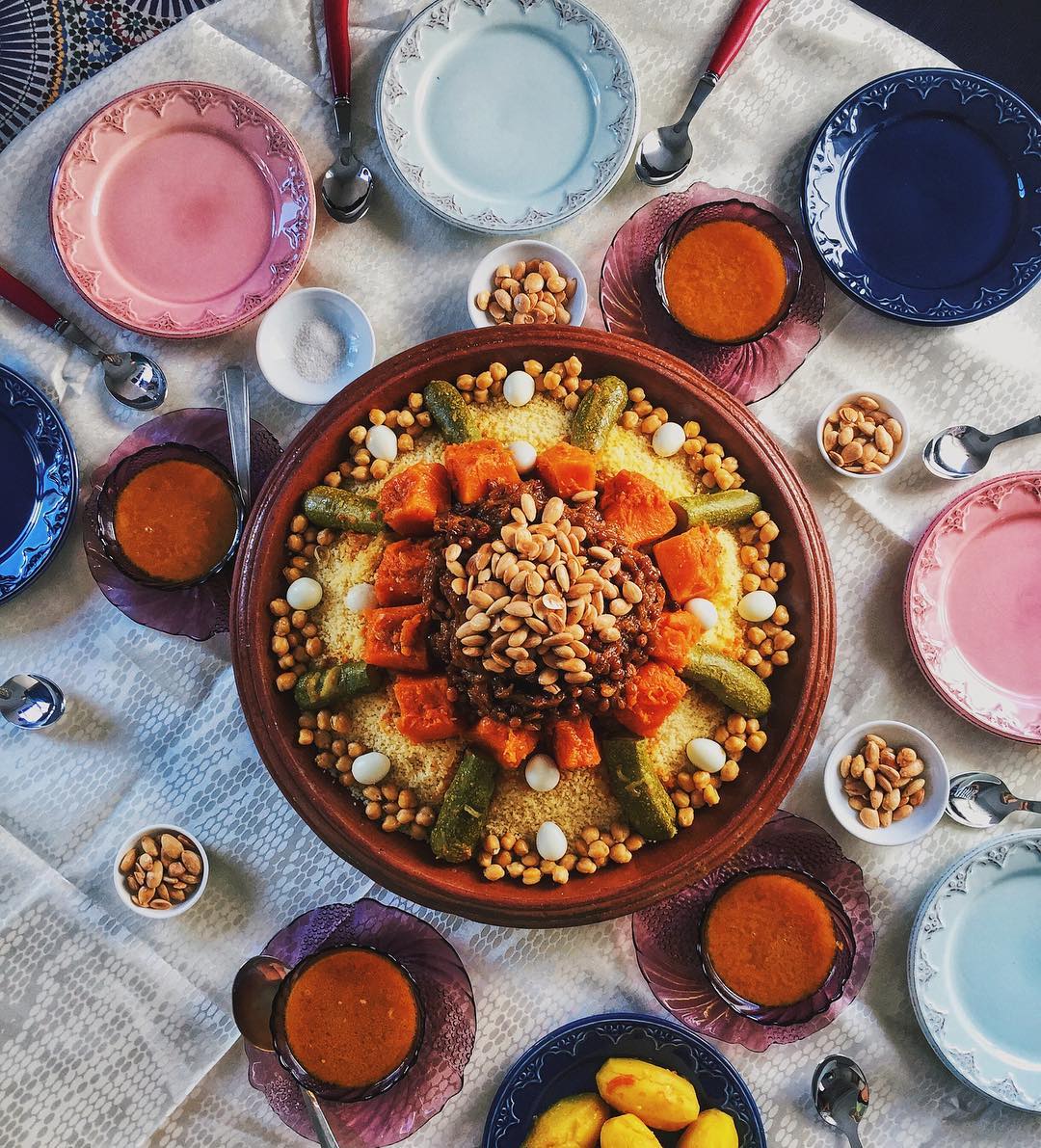 Couscousseksu
🇩🇿 Algeria and 4 moreSteamed semolina granules served with stew or vegetables across North Africa
Main dish, Lunch, Dinner
Couscousseksu
🇩🇿 Algeria and 4 moreSteamed semolina granules served with stew or vegetables across North Africa
Main dish, Lunch, Dinner
 CholentMeatטשאָלנט
🇫🇷 France and 5 moreA slow-cooked Jewish stew of meat, beans, grains and potatoes for the Sabbath
Stew or curry, Lunch
CholentMeatטשאָלנט
🇫🇷 France and 5 moreA slow-cooked Jewish stew of meat, beans, grains and potatoes for the Sabbath
Stew or curry, Lunch
 CachupaKatxupa
🇨🇻 Cape Verde and 1 moreSlow-cooked Cape Verdean stew of corn, beans, and fish or meat
Stew or curry, Breakfast, Lunch
CachupaKatxupa
🇨🇻 Cape Verde and 1 moreSlow-cooked Cape Verdean stew of corn, beans, and fish or meat
Stew or curry, Breakfast, Lunch
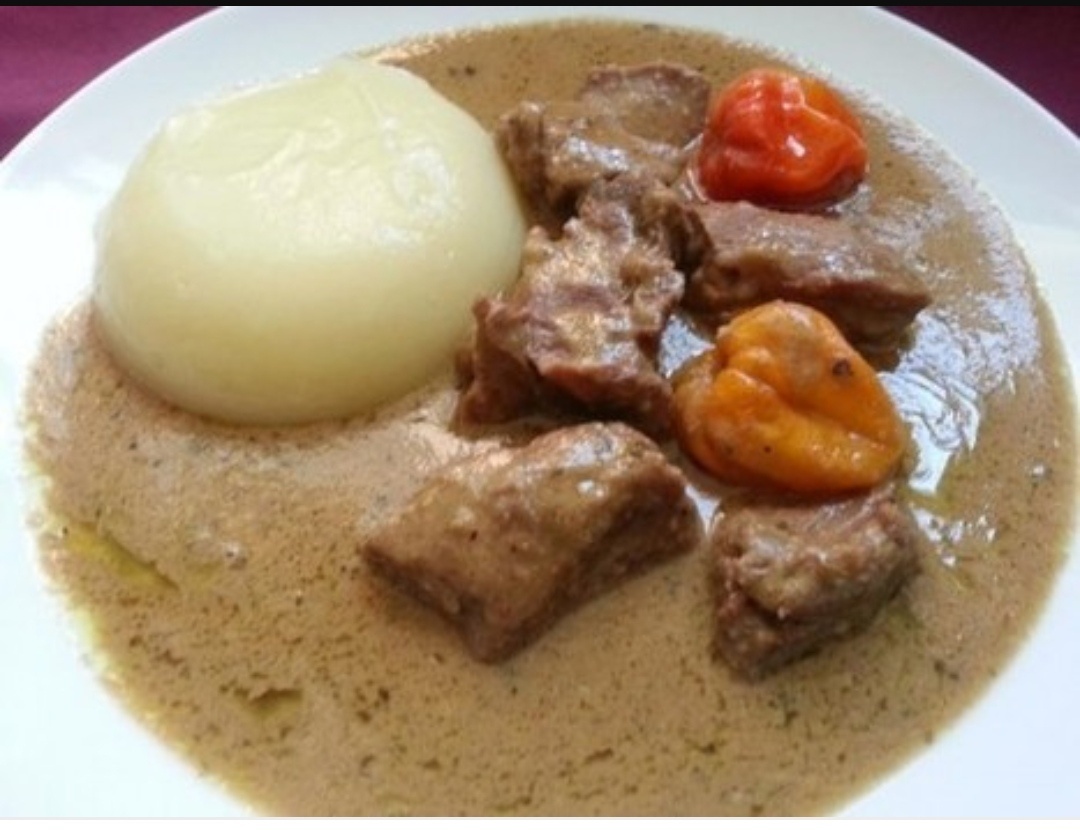 Peanut stew
🇸🇳 Senegal and 5 moreA rich West African stew of meat and vegetables in a spiced peanut sauce
Stew or curry, Lunch, Dinner
Peanut stew
🇸🇳 Senegal and 5 moreA rich West African stew of meat and vegetables in a spiced peanut sauce
Stew or curry, Lunch, Dinner