
Onde-onde
Sweet rice flour balls with palm sugar and coconut, common in Southeast Asia
Onde-onde are small, chewy sweets from Indonesia and neighboring countries, made by shaping glutinous rice flour dough around a core of palm sugar, then rolling the balls in grated coconut. They are usually green from pandan or suji leaf extract, and are enjoyed at room temperature for everyday snacks, ceremonies, and festive occasions.
- Green color comes from pandan or suji leaf extract
- Palm sugar melts inside during cooking
- Coated in grated coconut after boiling
- Served at room temperature for snacks and ceremonies
- Found across Indonesia, Malaysia, Brunei, and Singapore
What is Onde-onde?
Onde-onde are bite-sized sweets made by wrapping a soft dough of glutinous rice flour around a core of palm sugar. The balls are tinted green with pandan or suji leaf extract, giving them a fresh aroma and color. Once cooked, they are coated in grated coconut, which adds a layer of texture. When bitten, the melted palm sugar inside oozes out, creating a sweet contrast to the chewy exterior. These treats are common in markets and at celebrations across Indonesia, Malaysia, Brunei and Singapore.
Where does Onde-onde come from?
The exact beginnings of onde-onde are unclear, as similar sweets have long been made across maritime Southeast Asia. Early written mentions appear in both Malay and Javanese sources from the early 1800s, but the sweet likely predates these records. Its widespread presence in places like Java, Sumatra, Sulawesi, Borneo, and the Malay Peninsula points to a shared regional tradition rather than a single point of origin. Over time, different communities have given it their own names and symbolic meanings.
How is Onde-onde made?
To prepare onde-onde, glutinous rice flour is mixed with water and pandan or suji leaf extract to form a soft, green dough. Small pieces of palm sugar are enclosed within the dough, which is then rolled into balls. These are boiled until the dough is cooked and the sugar inside melts. After boiling, the balls are rolled in freshly grated coconut, which sticks to the surface. Some versions use sweet potato or yam in the dough, or fill the center with ingredients like chocolate or red bean paste.


How and when is Onde-onde eaten?
Onde-onde are typically eaten as a snack, either at home or bought from market stalls. They are served at room temperature and are popular during festive seasons, religious ceremonies, and family gatherings. In some cultures, they are included in offerings or as part of ritual meals. During Ramadan, they are a favorite for breaking the fast. The sweet is often enjoyed with tea or coffee, and is sometimes shared at weddings and other communal events.
Kinds of Onde-onde
Regional differences in onde-onde include changes to the dough and filling. In some areas, sweet potato or yam replaces part of the rice flour. The palm sugar filling may be solid or liquid, depending on local custom. In Malaysia, lighter or darker types of palm sugar are used, and names like buah melaka or kuih kekoh caar reflect these distinctions. Modern versions may use chocolate, cheese, or red bean paste as fillings, and the sweet has inspired cakes and ice creams flavored with pandan, coconut, and palm sugar.
What Onde-onde means
Onde-onde is more than a snack; it carries meaning in many communities. In Bugis-Makassar and Balinese traditions, it is part of ritual offerings and ceremonies. For Malays and Banjars, it is a festive treat, especially during Ramadan. In Java, the sweet’s shape and hidden filling symbolize life’s mysteries and inner goodness. It is also featured in Minangkabau and Peranakan Chinese celebrations. The sweet’s enduring popularity reflects its role in both daily life and special occasions.
When Onde-onde is on the table
Questions people ask about Onde-onde
What is onde-onde made of?
Onde-onde is made from glutinous rice flour, palm sugar, pandan or suji leaf extract for color, water, and grated coconut. The dough is wrapped around a piece of palm sugar, boiled, then rolled in coconut.
Where does onde-onde come from?
Onde-onde is found throughout Indonesia, Malaysia, Brunei, and Singapore. Its origins are not tied to one place, but it is part of a shared Southeast Asian culinary tradition.
How is onde-onde served and eaten?
Onde-onde is served at room temperature, often as a snack or at celebrations. It is eaten by hand, and when bitten, the melted palm sugar inside flows out, mixing with the chewy dough and coconut.
Are there different versions of onde-onde?
Yes, some regions use sweet potato or yam in the dough, or fill the center with chocolate, red bean paste, or cheese. The type of palm sugar and the name may also vary by area.
Is onde-onde suitable for vegans?
Traditional onde-onde uses only plant-based ingredients: rice flour, palm sugar, pandan or suji leaf, water, and coconut, making it vegan.
Good reading and sources
The facts on this page come from the Wikipedia article "Klepon", written by its contributors and used under the CC BY-SA 4.0 licence, and from its Wikidata record (CC0). Thali rewrote the text in its own words, with AI assistance, and compares every page with the article to make sure no passage is copied. It may be reused under the same CC BY-SA 4.0 licence with a link back.
It may contain mistakes, and it is not dietary or allergy advice: recipes differ from cook to cook. If something is wrong, tell us. Last refreshed 2026-10-03.
More from Indonesia
All the food of Indonesia BreadfruitVegan
🇵🇭 Philippines and 4 moreLarge tropical fruit cooked as a starchy staple in many island cuisines
Main dish, Lunch, Dinner
BreadfruitVegan
🇵🇭 Philippines and 4 moreLarge tropical fruit cooked as a starchy staple in many island cuisines
Main dish, Lunch, Dinner
 SharbatVeganشربت
🇮🇷 Iran and 5 moreSweet fruit or flower drink, served chilled or as a syrup
Drink, Snacks
SharbatVeganشربت
🇮🇷 Iran and 5 moreSweet fruit or flower drink, served chilled or as a syrup
Drink, Snacks
 Pastel de nataVegetarian
🇵🇹 Portugal and 4 moreSmall Portuguese tarts with a creamy egg custard in crisp pastry
Sweet or dessert, Snacks, Tea time
Pastel de nataVegetarian
🇵🇹 Portugal and 4 moreSmall Portuguese tarts with a creamy egg custard in crisp pastry
Sweet or dessert, Snacks, Tea time
 TapiocaVegan
🇧🇷 Brazil and 5 moreStarch from cassava root, shaped into pearls, flakes, or powder
Sauce, pickle or ferment
TapiocaVegan
🇧🇷 Brazil and 5 moreStarch from cassava root, shaped into pearls, flakes, or powder
Sauce, pickle or ferment
Its cousins elsewhere
All sweets and desserts Hot chocolate
🇲🇽 Mexico and 5 moreA warm drink made from chocolate or cocoa, milk or water, and sugar
Drink, Breakfast, Snacks
Hot chocolate
🇲🇽 Mexico and 5 moreA warm drink made from chocolate or cocoa, milk or water, and sugar
Drink, Breakfast, Snacks
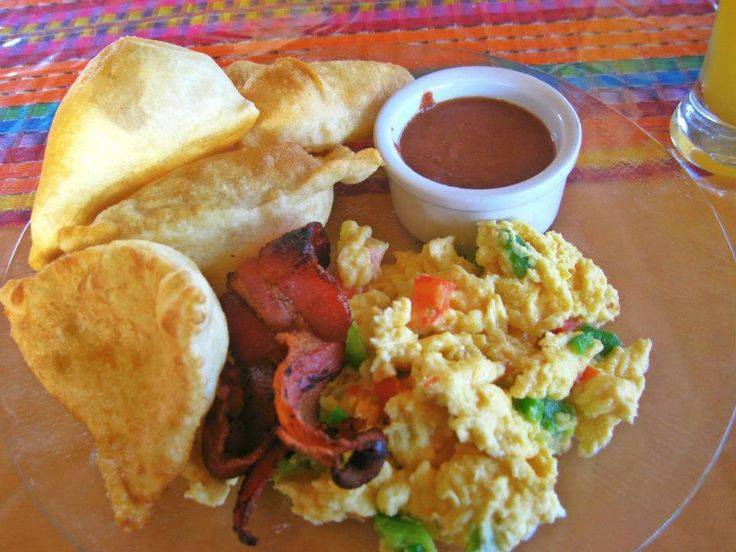 Fry jackVegetarian
🇧🇿 BelizeDeep-fried breakfast dough from Belize, served plain or with sweet or savoury toppings
Bread, Breakfast
Fry jackVegetarian
🇧🇿 BelizeDeep-fried breakfast dough from Belize, served plain or with sweet or savoury toppings
Bread, Breakfast
 SimaVegan
🇫🇮 FinlandFinnish sparkling lemon drink, lightly fermented and sweet
Drink, Snacks
SimaVegan
🇫🇮 FinlandFinnish sparkling lemon drink, lightly fermented and sweet
Drink, Snacks
 Churrochurros
🇪🇸 Spain and 5 moreRidged, deep-fried dough sticks often eaten hot with chocolate or coffee
Sweet or dessert, Breakfast, Snacks
Churrochurros
🇪🇸 Spain and 5 moreRidged, deep-fried dough sticks often eaten hot with chocolate or coffee
Sweet or dessert, Breakfast, Snacks