
Korma
A rich curry of meat or vegetables simmered in yogurt and spices
Korma is a curry from the Indian subcontinent, shaped by Mughal cooking traditions. It features meat or vegetables gently cooked with yogurt and spices to create a thick, aromatic sauce. Korma appears at weddings, religious feasts, and everyday meals across India, Pakistan, and Bangladesh, with local versions found in Indonesia and the UK.
- Korma began in Mughal royal kitchens
- Navratan korma uses nine vegetables or nuts
- Indonesian korma uses coconut milk and tamarind
- British korma is mild and creamy with nuts
- Korma is a key dish at South Asian weddings
What is Korma?
Korma is a curry where meat or vegetables are gently cooked in a sauce made from yogurt, spices, and sometimes nuts or cream. The sauce is thick and smooth, with a mild, aromatic character rather than strong heat. Ghee, a type of clarified butter, is often used to start the cooking. In some versions, almonds or cashews are blended in for richness. The finished dish is usually golden or pale in color, with a subtle fragrance from spices like cardamom and cloves.
Where does Korma come from?
Korma traces its roots to the Mughal Empire's kitchens in the Indian subcontinent. It first appears in cookbooks from the time of Shah Alam in the 17th century. Mughal cooks adapted Persian stews, adding local ingredients like almonds, garlic, and yogurt. Over time, korma spread across India and neighboring regions, with each area introducing its own touches. In the 19th century, British colonial tastes led to further changes, such as the use of different spices and the omission of traditional ingredients like saffron or cream in some versions.
How is Korma made?
To make korma, the main ingredient—often chicken, lamb, or vegetables—is first browned quickly in hot ghee. After this, it is cooked slowly in a covered pot with yogurt, a little water or stock, and a mix of spices. The spices are sometimes fried briefly in oil before being added. In some kitchens, the pot is sealed with dough to trap steam, a method called dum. At the end, cream or butter may be stirred in for extra richness. In Bangladesh, evaporated milk can replace yogurt, while in Indonesia, coconut milk is used instead.


How and when is Korma eaten?
Korma is served hot, often at lunch or dinner. It is a popular choice at weddings, religious celebrations, and large banquets, especially among Muslim communities. In Kashmir and other regions, it appears in festive spreads called wazwan. It is commonly eaten with breads such as sheermal, a saffron-flavored flatbread, or with rice. In Awadh, a silver leaf garnish is traditional, while in New Delhi, jaggery is sometimes served alongside in winter.
Kinds of Korma
There are many versions of korma. Navratan korma is a vegetarian style with nine kinds of vegetables, sometimes with paneer or nuts. In Indonesia, korma is made with coconut milk and tamarind, giving it a different flavor. British curry houses serve a mild, creamy korma with coconut and nuts, often using chicken. Each region adapts the dish to local tastes and available ingredients.
What Korma means
Korma holds a special place at South Asian weddings and religious gatherings, especially during Ramadan. It is part of the traditional wazwan feast in Kashmir and is sent as a gift dish in social customs. In the UK, chicken korma is among the most ordered curries. The dish reflects both Mughal heritage and the ability of Indian cuisine to adapt and thrive in new places.
When Korma is on the table
Questions people ask about Korma
What is korma made of?
Korma is prepared with meat or vegetables cooked in a sauce of yogurt, spices, and sometimes nuts or cream. Ghee is often used for frying, and the dish may include almonds, onions, and other aromatic ingredients.
Where did korma originate?
Korma comes from the Indian subcontinent, with its origins in the Mughal Empire's royal kitchens. It later spread to regions like Pakistan, Bangladesh, and beyond.
Is korma always made with meat?
No, korma can be made with meat, such as chicken or lamb, or with vegetables. There are vegetarian versions like navratan korma, which uses a mix of vegetables and sometimes paneer or nuts.
How spicy is korma?
Korma is known for its mild, aromatic flavor rather than strong heat. The spices used create a fragrant sauce, but it is generally less spicy than many other curries.
How is korma served?
Korma is usually served hot, accompanied by rice or breads like sheermal. It appears at both everyday meals and special occasions such as weddings and religious feasts.
Good reading and sources
The facts on this page come from the Wikipedia article "Korma", written by its contributors and used under the CC BY-SA 4.0 licence, and from its Wikidata record (CC0). Thali rewrote the text in its own words, with AI assistance, and compares every page with the article to make sure no passage is copied. It may be reused under the same CC BY-SA 4.0 licence with a link back.
It may contain mistakes, and it is not dietary or allergy advice: recipes differ from cook to cook. If something is wrong, tell us. Last refreshed 2026-10-03.
More from India
All the food of India Kebabكَبَاب
🇹🇷 Turkey and 5 moreGrilled or roasted meat, often on skewers, found across the Middle East and beyond
Main dish, Lunch, Dinner
Kebabكَبَاب
🇹🇷 Turkey and 5 moreGrilled or roasted meat, often on skewers, found across the Middle East and beyond
Main dish, Lunch, Dinner
 Biryani
🇮🇳 India and 5 moreRice and spiced meat or vegetables layered and cooked together
Main dish, Lunch, Dinner
Biryani
🇮🇳 India and 5 moreRice and spiced meat or vegetables layered and cooked together
Main dish, Lunch, Dinner
 French toast
🇫🇷 France and 5 moreBread soaked in egg and milk, pan-fried and served sweet or savoury
Main dish, Breakfast, Snacks
French toast
🇫🇷 France and 5 moreBread soaked in egg and milk, pan-fried and served sweet or savoury
Main dish, Breakfast, Snacks
 Fish and chipsFish or seafood
🇬🇧 United Kingdom and 8 moreBattered fried fish served hot with thick-cut chips
Main dish, Lunch, Dinner
Fish and chipsFish or seafood
🇬🇧 United Kingdom and 8 moreBattered fried fish served hot with thick-cut chips
Main dish, Lunch, Dinner
Its cousins elsewhere
All stews and curries Chicken tikka masalaMeat
🇬🇧 United Kingdom and 4 moreRoasted marinated chicken in a creamy, spiced tomato-based sauce
Main dish, Lunch, Dinner
Wat
🇪🇹 Ethiopia and 1 moreEthiopian and Eritrean stew thickened with onions and spiced butter
Stew or curry, Lunch, Dinner
Chicken tikka masalaMeat
🇬🇧 United Kingdom and 4 moreRoasted marinated chicken in a creamy, spiced tomato-based sauce
Main dish, Lunch, Dinner
Wat
🇪🇹 Ethiopia and 1 moreEthiopian and Eritrean stew thickened with onions and spiced butter
Stew or curry, Lunch, Dinner
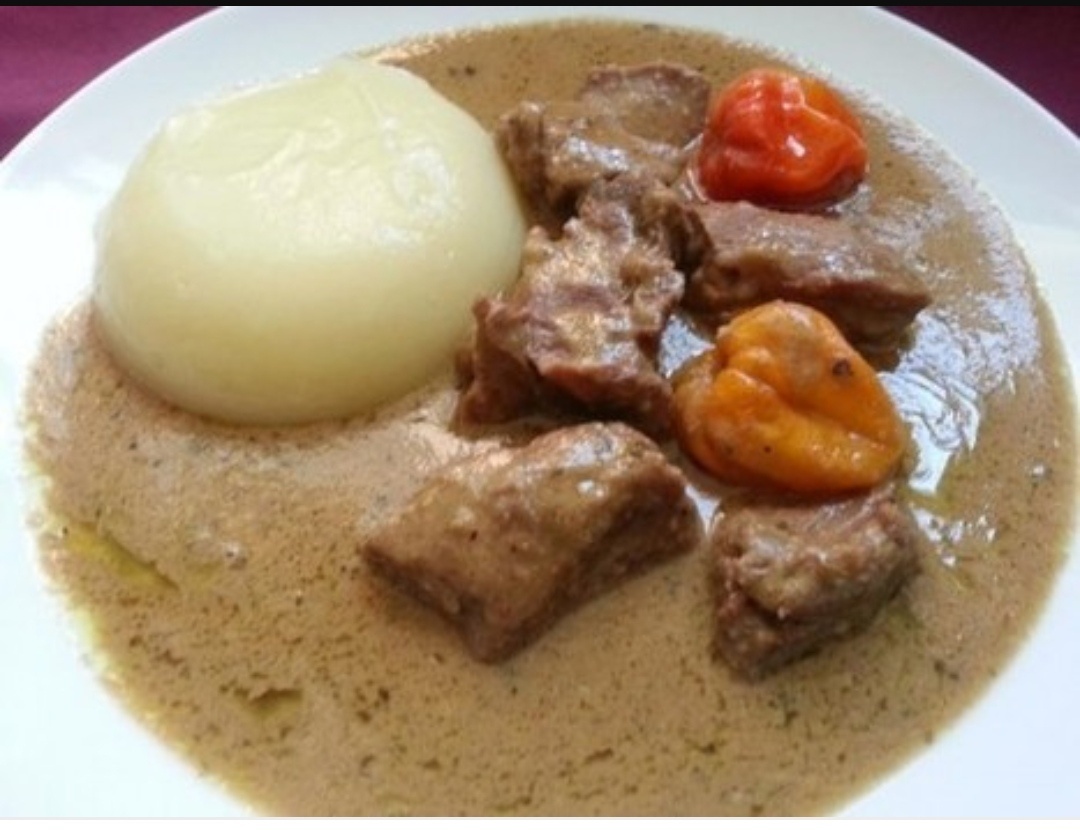 Peanut stew
🇸🇳 Senegal and 5 moreA rich West African stew of meat and vegetables in a spiced peanut sauce
Stew or curry, Lunch, Dinner
Peanut stew
🇸🇳 Senegal and 5 moreA rich West African stew of meat and vegetables in a spiced peanut sauce
Stew or curry, Lunch, Dinner
 BigosMeat
🇵🇱 Poland and 5 morePolish stew of mixed meats, sauerkraut and cabbage, simmered with spices
Stew or curry, Breakfast, Dinner
BigosMeat
🇵🇱 Poland and 5 morePolish stew of mixed meats, sauerkraut and cabbage, simmered with spices
Stew or curry, Breakfast, Dinner