
Märzen
A Bavarian lager brewed in spring and served at Oktoberfest
Märzen is a lager beer from Bavaria, Germany, with a medium to full body and a color that ranges from pale to dark brown. Traditionally brewed in March and stored until autumn, it was the classic beer of Munich's Oktoberfest. Austrian Märzen is lighter and the most popular beer style in Austria.
- Traditionally brewed in March and stored until autumn
- Served at Munich’s Oktoberfest festival
- Austrian Märzen is the country’s most popular beer style
- EU law protects the name Oktoberfestbier for Munich-brewed Märzen
- Alcohol content is typically 5.1–6.0%
What is Märzen?
Märzen is a type of lager beer first brewed in Bavaria. It can be pale, amber, or dark brown, and usually has a medium to full body. The taste is often sweeter and less hoppy than a typical pale lager, with a malt-forward flavor. Alcohol content is typically between 5.1 and 6.0 percent. Austrian Märzen is lighter in both color and flavor, sometimes using caramel malts for added sweetness. In Austria, it is the most common beer style.
Where does Märzen come from?
Märzen originated in Bavaria, likely before the 16th century. A 1553 Bavarian law restricted brewing to cooler months, so beers like Märzen were made in March with enough strength to last through summer. Stored in cellars with ice and straw, Märzen would be ready to serve by autumn, especially at Oktoberfest in Munich. The beer was originally dark, full-bodied, and bitter.
How is Märzen made?
Märzen is brewed with barley malt, hops, water, and yeast. Traditionally, it was made in March with moderate hopping and slightly higher alcohol to help preserve it over the summer. After brewing, it was lagered (cold-stored) in cellars until autumn. Austrian Märzen uses similar ingredients but is lighter, sometimes with caramel malt for sweetness.


How and when is Märzen eaten?
Märzen is most famously served at Munich’s Oktoberfest, where it is poured in large mugs and enjoyed in a festive setting. In Austria, it is a popular everyday beer, available throughout the year. It is typically served cold. The beer is often enjoyed with traditional Bavarian or Austrian foods, especially during festivals.
Kinds of Märzen
In Germany, Märzen is now less common and mainly found in the south, often linked to Oktoberfest. Austrian Märzen is lighter and more similar to Helles or Export beers. The Czech Republic and Lithuania also produce Märzen-style beers under local names. Some breweries outside Germany and Austria make their own versions for seasonal or festival occasions.
What Märzen means
Märzen is closely tied to Oktoberfest, the world’s largest beer festival in Munich. Only Märzen brewed in Munich can be called Oktoberfestbier in the EU. In Austria, Märzen is the everyday beer of choice. The beer’s seasonal origins and connection to festivals give it a special place in Bavarian and Austrian culture.
When Märzen is on the table
Questions people ask about Märzen
What is Märzen made of?
Märzen is brewed from barley malt, hops, water, and yeast. Austrian versions may use caramel malts for a sweeter taste.
Where does Märzen come from?
Märzen originated in Bavaria, Germany, before the 16th century. It is also widely brewed and consumed in Austria.
What does Märzen taste like?
Märzen usually has a medium to full body with a malt-forward, slightly sweet flavor and less hop bitterness than pale lagers.
When is Märzen typically served?
Märzen was traditionally brewed in March and served in autumn, especially at Oktoberfest. In Austria, it is available year-round.
Is Märzen the same as Oktoberfestbier?
Oktoberfestbier is a protected name for Märzen brewed in Munich and served at Oktoberfest. Other Märzen beers cannot use this name in the EU.
Good reading and sources
The facts on this page come from the Wikipedia article "Märzen", written by its contributors and used under the CC BY-SA 4.0 licence, and from its Wikidata record (CC0). Thali rewrote the text in its own words, with AI assistance, and compares every page with the article to make sure no passage is copied. It may be reused under the same CC BY-SA 4.0 licence with a link back.
It may contain mistakes, and it is not dietary or allergy advice: recipes differ from cook to cook. If something is wrong, tell us. Last refreshed 2026-10-03.
More from Germany
All the food of Germany Mulled wineGlühwein
🇬🇧 United Kingdom and 5 moreRed wine heated with spices and fruit, served hot at Christmas and winter gatherings
Drink, Tea time, Dinner
Mulled wineGlühwein
🇬🇧 United Kingdom and 5 moreRed wine heated with spices and fruit, served hot at Christmas and winter gatherings
Drink, Tea time, Dinner
 Soured milkVegetarian
🇷🇺 Russia and 5 moreMilk thickened and preserved by natural fermentation with wild bacteria
Sauce, pickle or ferment
Soured milkVegetarian
🇷🇺 Russia and 5 moreMilk thickened and preserved by natural fermentation with wild bacteria
Sauce, pickle or ferment
 KölschVegan
🇩🇪 GermanyPale, top-fermented beer from Cologne, served in slender glasses
Drink
KölschVegan
🇩🇪 GermanyPale, top-fermented beer from Cologne, served in slender glasses
Drink
Its cousins elsewhere
All drinks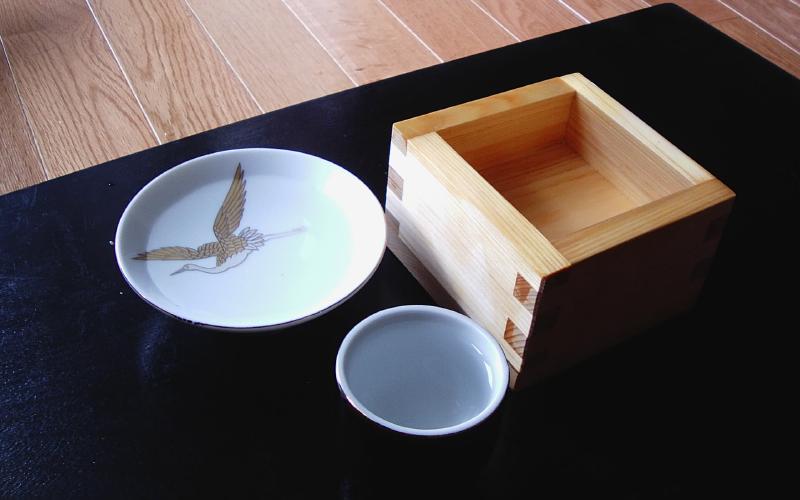 SakeVegan酒
🇯🇵 JapanJapanese alcoholic drink brewed from polished rice and kōji mold
Drink
SakeVegan酒
🇯🇵 JapanJapanese alcoholic drink brewed from polished rice and kōji mold
Drink
 KvassVeganквас
🇷🇺 Russia and 5 moreA tangy, slightly sweet fermented drink made from rye bread or flour
Drink
KvassVeganквас
🇷🇺 Russia and 5 moreA tangy, slightly sweet fermented drink made from rye bread or flour
Drink
 SiwaVeganሰዋ
🇪🇹 Ethiopia and 1 moreHome-brewed Ethiopian and Eritrean beer made from toasted bread and gesho leaves
Drink
SiwaVeganሰዋ
🇪🇹 Ethiopia and 1 moreHome-brewed Ethiopian and Eritrean beer made from toasted bread and gesho leaves
Drink
 SatoVeganสาโท
🇹🇭 ThailandFermented rice drink from northeastern Thailand, often shared from a communal bowl or jar
Drink
SatoVeganสาโท
🇹🇭 ThailandFermented rice drink from northeastern Thailand, often shared from a communal bowl or jar
Drink