
Nilaga
Philippine soup of boiled beef or pork with vegetables
Nilaga is a Filipino soup or stew made by simmering beef or pork with vegetables like potatoes, cabbage, and string beans. The dish is served hot, often with white rice and condiments such as fish sauce, soy sauce, chilis, and calamansi on the side.
- Nilaga means 'boiled' in Tagalog
- Made with beef or pork and a mix of vegetables
- Served hot with rice and condiments on the side
- Common vegetables include potatoes, cabbage, and string beans
What is Nilaga?
Nilaga is a clear soup or stew from the Philippines, made by boiling cuts of beef or pork with a mix of vegetables. Common additions include potatoes, cabbage, string beans, sweet corn, and bok choy. The broth is light but savory, often seasoned with onions, garlic, and whole black peppercorns. The meat is cooked until tender, and the vegetables are added towards the end to keep their shape and color. Nilaga is usually served hot, with its mild, comforting flavors complemented by condiments on the side.
Where does Nilaga come from?
Nilaga comes from the Philippines and is especially associated with the Tagalog region. Its name means 'boiled' in Tagalog, reflecting its simple preparation method. The dish is part of everyday Filipino home cooking, with no single inventor or date of origin. Nilaga is related to other local soups and stews like bulalo and lauya, but is distinct for using a broth made from meaty and fatty cuts rather than bones and marrow.
How is Nilaga made?
To make nilaga, cooks start by simmering beef or pork cuts such as sirloin, belly, ribs, or brisket in water. Aromatics like onions, garlic, and whole peppercorns are added, along with salt and sometimes fish sauce or bouillon cubes for extra flavor. After the meat becomes tender, vegetables like potatoes, cabbage, and string beans are added. Other vegetables such as carrots, corn, or saba bananas may also be included. The dish is cooked until the vegetables are just done.


How and when is Nilaga eaten?
Nilaga is typically eaten for lunch or dinner as a main dish. It is served hot, often with steamed white rice. On the side, diners may add soy sauce, fish sauce (patis), chilis, and calamansi (a local citrus fruit) to taste. The dish is enjoyed both on its own and as part of a larger Filipino meal, and is valued for its warmth and simplicity.
Kinds of Nilaga
Nilaga can be made with either beef (nilagang baka) or pork (nilagang baboy). The choice of vegetables varies by region and household, with additions like carrots, calabaza, chayote, or saba bananas. Some cooks enrich the broth with lemongrass, ginger, or bay leaves. While chicken or seafood versions exist, these are usually called tinola. Nilaga is also distinct from bulalo, which uses bone marrow cuts.
What Nilaga means
Nilaga is a staple of Filipino home cooking and is commonly served as a comfort food. It is not tied to any particular festival or religious occasion, but is eaten as an everyday meal. The dish reflects the Filipino preference for hearty, communal soups, and is often shared at family tables. Its straightforward preparation and adaptability make it a favorite across regions.
Questions people ask about Nilaga
What is nilaga made of?
Nilaga is made by boiling beef or pork with vegetables such as potatoes, cabbage, string beans, and sweet corn. The broth is seasoned with onions, garlic, and peppercorns.
Where does nilaga come from?
Nilaga is a traditional dish from the Philippines, especially associated with the Tagalog region.
How is nilaga served?
Nilaga is served hot, often with steamed white rice. Diners can add soy sauce, fish sauce, chilis, and calamansi to taste.
What are common vegetables in nilaga?
Typical vegetables include potatoes, cabbage, string beans, sweet corn, and bok choy. Other vegetables like carrots or saba bananas may also be used.
Is nilaga eaten for any special occasion?
Nilaga is an everyday dish in the Philippines and is not tied to any specific festival or religious event.
Good reading and sources
The facts on this page come from the Wikipedia article "Nilaga", written by its contributors and used under the CC BY-SA 4.0 licence, and from its Wikidata record (CC0). Thali rewrote the text in its own words, with AI assistance, and compares every page with the article to make sure no passage is copied. It may be reused under the same CC BY-SA 4.0 licence with a link back.
It may contain mistakes, and it is not dietary or allergy advice: recipes differ from cook to cook. If something is wrong, tell us. Last refreshed 2026-10-03.
More from the Philippines
All the food of the Philippines Laing
🇵🇭 PhilippinesTaro leaves and meat or seafood simmered in spiced coconut milk
Stew or curry, Lunch, Dinner
Laing
🇵🇭 PhilippinesTaro leaves and meat or seafood simmered in spiced coconut milk
Stew or curry, Lunch, Dinner
 Oxtail stewMeat
🇮🇹 Italy and 4 moreStew made with oxtail, found in many world cuisines
Stew or curry, Lunch, Dinner
Oxtail stewMeat
🇮🇹 Italy and 4 moreStew made with oxtail, found in many world cuisines
Stew or curry, Lunch, Dinner
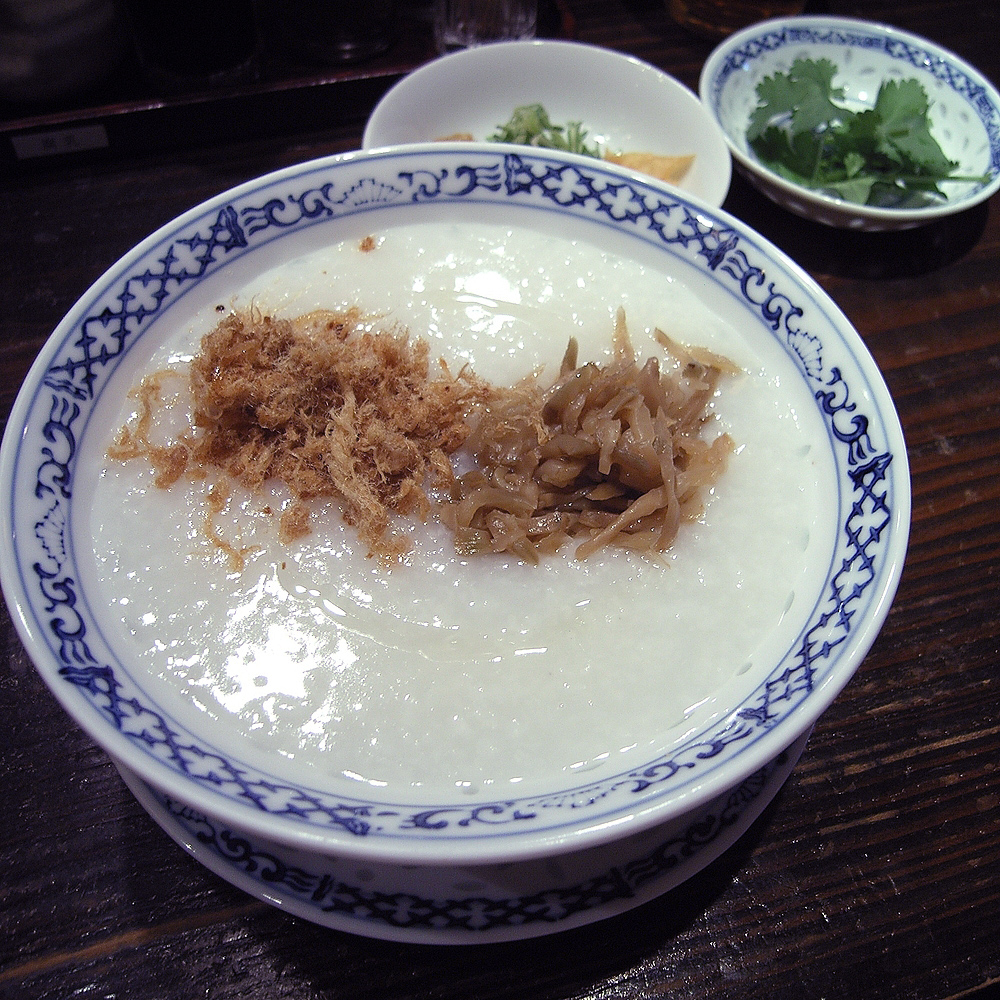 Congee粥
🇨🇳 China and 5 moreRice simmered in water to make a soft, comforting porridge
Main dish, Breakfast, Dinner
Congee粥
🇨🇳 China and 5 moreRice simmered in water to make a soft, comforting porridge
Main dish, Breakfast, Dinner
 Chicken soupMeat
🇺🇸 United States and 4 moreA hot soup of chicken simmered with vegetables, noodles or grains
Soup, Lunch, Dinner
Chicken soupMeat
🇺🇸 United States and 4 moreA hot soup of chicken simmered with vegetables, noodles or grains
Soup, Lunch, Dinner
Its cousins elsewhere
All soups GoulashMeatgulyás
🇭🇺 Hungary and 5 moreA paprika-spiced meat and vegetable soup from Hungary
Soup, Lunch, Dinner
GoulashMeatgulyás
🇭🇺 Hungary and 5 moreA paprika-spiced meat and vegetable soup from Hungary
Soup, Lunch, Dinner
 Pot-au-feu
🇫🇷 FranceFrench boiled meat and vegetable stew served in two courses
Stew or curry, Lunch, Dinner
Pot-au-feu
🇫🇷 FranceFrench boiled meat and vegetable stew served in two courses
Stew or curry, Lunch, Dinner
 Borscht
🇺🇦 Ukraine and 5 moreA sour soup of beetroot and vegetables, served hot or cold across Eastern Europe
Soup, Lunch, Dinner
Borscht
🇺🇦 Ukraine and 5 moreA sour soup of beetroot and vegetables, served hot or cold across Eastern Europe
Soup, Lunch, Dinner
 BouillabaisseFish or seafood
🇫🇷 FranceA Marseille fish stew with local seafood, herbs, and saffron broth
Stew or curry, Lunch, Dinner
BouillabaisseFish or seafood
🇫🇷 FranceA Marseille fish stew with local seafood, herbs, and saffron broth
Stew or curry, Lunch, Dinner