
Pastis
French anise spirit often mixed with water and served cold
Pastis is a strong anise-flavoured spirit from France, especially linked to Marseille and Provence. Made with star anise, liquorice root, and sugar, it is usually diluted with water before drinking. Pastis is most popular as a cold apéritif on warm days and is a familiar part of southern French life.
- Pastis is a favourite apéritif in southern France.
- It turns cloudy when mixed with water.
- First sold in 1932 after absinthe was banned.
- Made with star anise and liquorice root.
- Over 130 million litres are sold in France each year.
What is Pastis?
Pastis is a clear, golden spirit with a strong aroma and taste of anise, a spice with a sweet, herbal flavour. It is made from star anise, liquorice root, sugar, alcohol, and sometimes caramel for colour. When water is added, pastis turns from clear yellow to a cloudy, pale yellow due to the oils in the anise. This drink is usually enjoyed cold, especially in the heat, and is most often served as an apéritif before meals.
Where does Pastis come from?
Pastis first appeared in France in 1932, introduced by Paul Ricard after absinthe was banned. Its roots are in the Mediterranean tradition of anise spirits, which includes drinks like ouzo and sambuca. The name comes from Occitan, meaning a blend or mixture. Pastis quickly became popular in Marseille and nearby regions, filling the gap left by absinthe and fitting into the local culture of southern France.
How is Pastis made?
Modern pastis is produced by blending alcohol with flavour extracts from star anise and liquorice root, along with sugar and caramel colouring. While early versions used whole herbs, most pastis today is made with prepared essences. The spirit is bottled at a high strength, usually between 40 and 45 percent alcohol by volume. It is not distilled with wormwood, unlike absinthe.
How and when is Pastis eaten?
Pastis is rarely drunk neat. Instead, it is poured into a glass and diluted with cold water, usually at a ratio of five parts water to one part spirit. This causes the drink to turn cloudy. Some people add ice after the water, but many prefer it just with cool water. Pastis is mostly enjoyed as a refreshing drink before meals, especially outdoors in warm weather.
Kinds of Pastis
There are several well-known brands of pastis, such as Ricard, Pernod, and Pastis 51. In Marseille, it is sometimes called Pastaga. While the basic formula is similar, some brands may use slightly different blends of anise and liquorice, or add other herbs for extra flavour. Pastis de Marseille is a specific style with a higher minimum alcohol content.
What Pastis means
Pastis is a symbol of southern French culture, especially in Marseille and Provence. It is closely linked to leisurely afternoons, games like pétanque, and social gatherings. The drink is a staple in French cafés and bars, with over 130 million litres sold each year. Its cloudy appearance when mixed is part of its charm and ritual.
Questions people ask about Pastis
What is pastis made from?
Pastis is made with star anise, liquorice root, sugar, alcohol, and caramel colouring. The anise gives it a sweet, herbal flavour, while liquorice adds depth.
Where does pastis come from?
Pastis comes from France, especially the city of Marseille and the Provence region. It became popular in the 20th century after absinthe was banned.
How is pastis served?
Pastis is usually served by diluting it with cold water, which causes it to turn cloudy. It is rarely drunk neat and is often enjoyed as a cold apéritif.
Is pastis the same as absinthe?
No, pastis and absinthe are different. Pastis does not contain wormwood and is typically sweeter, with a lower alcohol content. It uses star anise and liquorice root for flavour.
Why does pastis turn cloudy with water?
When water is added, the oils from the anise become insoluble and form tiny droplets, making the drink appear milky. This is called the louche or ouzo effect.
Good reading and sources
The facts on this page come from the Wikipedia article "Pastis", written by its contributors and used under the CC BY-SA 4.0 licence, and from its Wikidata record (CC0). Thali rewrote the text in its own words, with AI assistance, and compares every page with the article to make sure no passage is copied. It may be reused under the same CC BY-SA 4.0 licence with a link back.
It may contain mistakes, and it is not dietary or allergy advice: recipes differ from cook to cook. If something is wrong, tell us. Last refreshed 2026-10-03.
More from France
All the food of France WineVegan
🇬🇪 Georgia and 5 moreAlcoholic drink made by fermenting grape juice in many styles and colors
Drink
WineVegan
🇬🇪 Georgia and 5 moreAlcoholic drink made by fermenting grape juice in many styles and colors
Drink
 Ice cream
🇺🇸 United States and 5 moreA frozen dessert made from sweetened, flavoured milk or cream
Sweet or dessert, Snacks
Ice cream
🇺🇸 United States and 5 moreA frozen dessert made from sweetened, flavoured milk or cream
Sweet or dessert, Snacks
 ChampagneVegan
🇫🇷 FranceSparkling wine made only in France’s Champagne region using traditional bottle fermentation
Drink
ChampagneVegan
🇫🇷 FranceSparkling wine made only in France’s Champagne region using traditional bottle fermentation
Drink
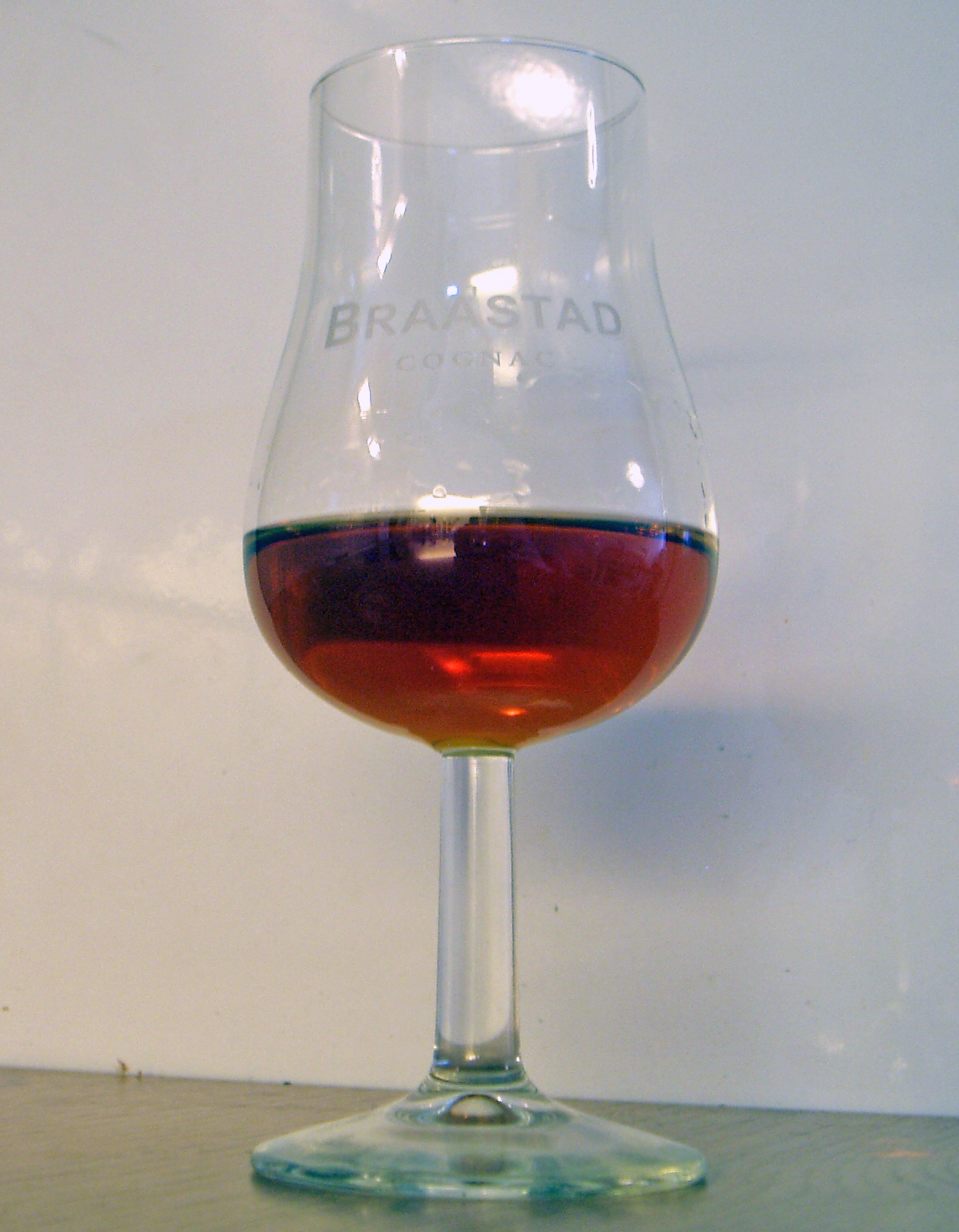 CognacVegan
🇫🇷 FranceFrench brandy distilled from local white grapes and aged in oak casks
Drink
CognacVegan
🇫🇷 FranceFrench brandy distilled from local white grapes and aged in oak casks
Drink
Its cousins elsewhere
All drinks TeaVegan茶
🇨🇳 China and 5 moreA drink made by soaking tea leaves in hot or cold water
Drink
TeaVegan茶
🇨🇳 China and 5 moreA drink made by soaking tea leaves in hot or cold water
Drink
 Hot chocolate
🇲🇽 Mexico and 5 moreA warm drink made from chocolate or cocoa, milk or water, and sugar
Drink, Breakfast, Snacks
Hot chocolate
🇲🇽 Mexico and 5 moreA warm drink made from chocolate or cocoa, milk or water, and sugar
Drink, Breakfast, Snacks
 Turkish coffeeVeganTürk kahvesi
🇹🇷 Turkey and 5 moreUnfiltered coffee brewed in a small pot and served with its fine grounds
Drink, Snacks
Turkish coffeeVeganTürk kahvesi
🇹🇷 Turkey and 5 moreUnfiltered coffee brewed in a small pot and served with its fine grounds
Drink, Snacks
 Mojito
🇨🇺 Cuba and 5 moreCuban cocktail of white rum, lime, mint, sugar and soda water over ice
Drink
Mojito
🇨🇺 Cuba and 5 moreCuban cocktail of white rum, lime, mint, sugar and soda water over ice
Drink