
Pla ra
Fermented fish seasoning from Thailand with a strong aroma and salty-sour taste
Pla ra is a traditional Thai condiment made by fermenting fish with salt and either rice bran or roasted rice flour for several months. It is known for its pungent smell and is used to add salty and sour flavors to dishes, especially in central and northeastern Thailand. Pla ra is eaten raw or as a component in sauces and dips, often alongside rice and vegetables.
- Fermented for at least six months with salt and rice bran or roasted rice flour
- Has a powerful, distinctive aroma and salty-sour taste
- Central Thai pla ra is yellow and soft; northeastern is darker and stronger
- Used in sauces like nam phrik pla ra, often with vegetables and rice
What is Pla ra?
Pla ra is a seasoning made by fermenting freshwater fish with salt and either rice bran or roasted rice flour. The result is a thick, intensely aromatic paste or liquid, with a flavor that is both salty and tangy. The smell is very strong and can be off-putting to some. Its color and texture vary: some versions are yellow and soft, others are dark and more liquid, depending on the ingredients and method. Pla ra is a staple in Thai cooking, especially in the central and northeastern regions.
Where does Pla ra come from?
Pla ra has a long history in Thailand, dating back to the Ayutthaya Kingdom. French records from the 17th century describe it as a common food among the Siamese, who preferred preserved fish over fresh. The practice of fermenting fish with salt and rice bran or flour developed as a way to preserve fish in the hot climate. Over time, pla ra became a key part of the local diet and is still widely used today.
How is Pla ra made?
To make pla ra, fish are cut into pieces and mixed with salt. The fish is packed tightly in a container, covered with salt water, and sealed for several months. After an initial fermentation, rice bran or roasted rice flour is added for additional flavor and aroma. The mixture is then left to ferment further, sometimes for over half a year. The process can vary, but always involves a long period of controlled fermentation.
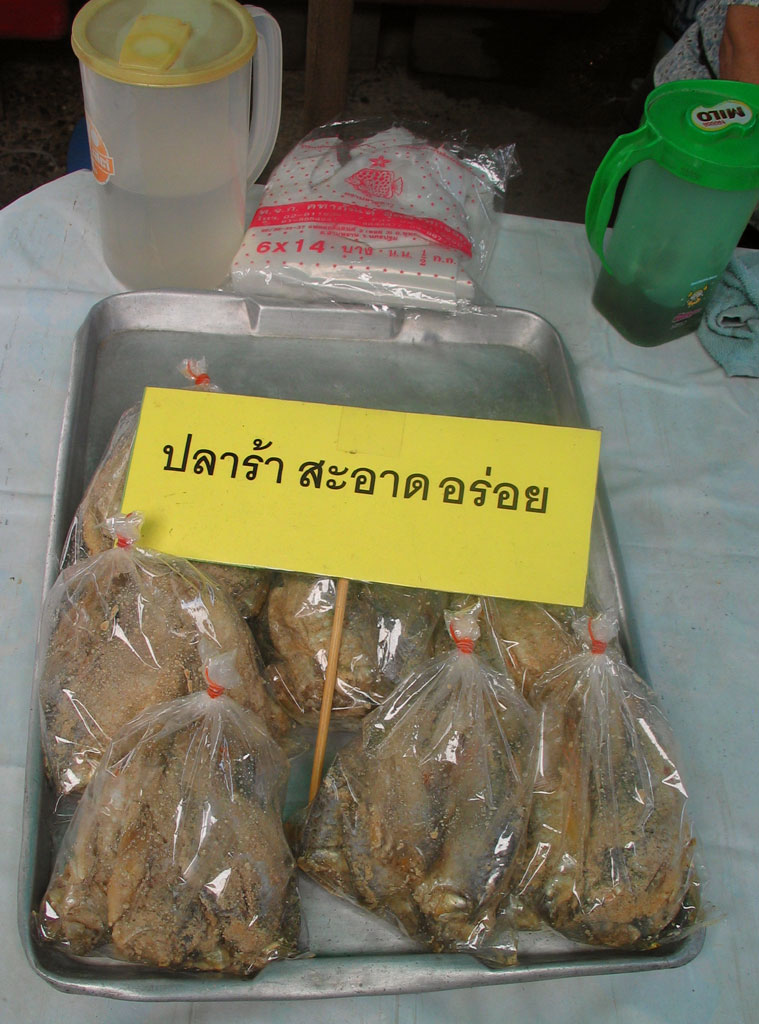

How and when is Pla ra eaten?
Pla ra is used as a condiment or ingredient in various Thai dishes. It can be eaten raw, or mixed into sauces such as nam phrik pla ra, which combines it with roasted chilies, garlic, shallots, and lime juice. These sauces are commonly served with fresh vegetables and rice. In some regions, pla ra is also dried and ground into a powder for seasoning.
Kinds of Pla ra
There are two main types of pla ra, based on the fermenting agent. In central Thailand, roasted rice flour is used, resulting in a yellow paste with a softer texture. In the northeast, rice bran is added, producing a darker, more pungent version. The type of fish used also varies, with snakehead and catfish common in central areas, and smaller fish in the northeast. Some versions use fresh fish, while others use fish that has been allowed to soften or partially break down.
What Pla ra means
Pla ra is deeply rooted in Thai food culture, especially in rural areas where it is a daily staple. It is valued for its strong flavor and ability to enhance simple meals of rice and vegetables. The Thai government has set standards for commercial production to ensure safety and quality. Pla ra is also found in neighboring countries, but it remains a symbol of traditional Thai cooking.
Questions people ask about Pla ra
What is pla ra made from?
Pla ra is made by fermenting freshwater fish with salt and either rice bran or roasted rice flour. The mixture is left to ferment for several months, developing a strong aroma and salty-sour taste.
Where does pla ra come from?
Pla ra originates from Thailand, where it has been a traditional food since at least the Ayutthaya Kingdom. It is especially common in central and northeastern regions.
How is pla ra used in cooking?
Pla ra is used as a seasoning or condiment. It can be eaten raw, mixed into sauces such as nam phrik pla ra, or dried and ground into a powder for use as a flavoring.
What does pla ra taste and smell like?
Pla ra has a very strong, pungent smell that some people find unpleasant. Its taste is salty and slightly sour, depending on the fermentation process.
Are there different types of pla ra?
Yes, central Thai pla ra uses roasted rice flour and is yellow and soft, while northeastern versions use rice bran, resulting in a darker color and stronger aroma.
Good reading and sources
The facts on this page come from the Wikipedia article "Pla ra", written by its contributors and used under the CC BY-SA 4.0 licence, and from its Wikidata record (CC0). Thali rewrote the text in its own words, with AI assistance, and compares every page with the article to make sure no passage is copied. It may be reused under the same CC BY-SA 4.0 licence with a link back.
It may contain mistakes, and it is not dietary or allergy advice: recipes differ from cook to cook. If something is wrong, tell us. Last refreshed 2026-10-03.
More from Thailand
All the food of Thailand TapiocaVegan
🇧🇷 Brazil and 5 moreStarch from cassava root, shaped into pearls, flakes, or powder
Sauce, pickle or ferment
TapiocaVegan
🇧🇷 Brazil and 5 moreStarch from cassava root, shaped into pearls, flakes, or powder
Sauce, pickle or ferment
 Nam phrikน้ำพริก
🇹🇭 ThailandThai spicy chili paste pounded with garlic, shallot, and lime juice
Sauce, pickle or ferment
Nam phrikน้ำพริก
🇹🇭 ThailandThai spicy chili paste pounded with garlic, shallot, and lime juice
Sauce, pickle or ferment
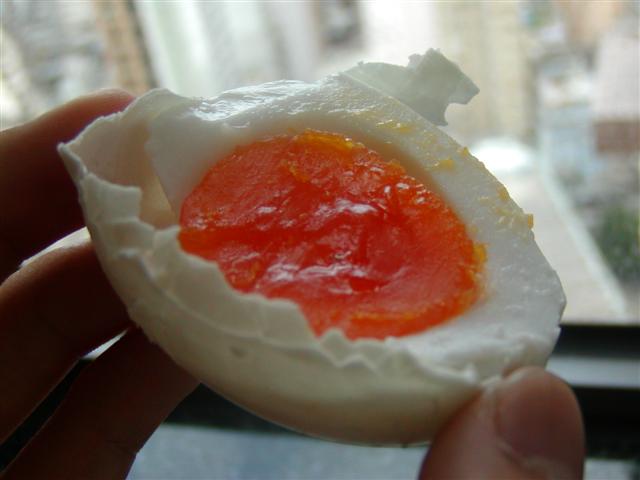 Salted duck egg
🇨🇳 China and 3 moreDuck eggs preserved in salt, prized for their rich, orange-red yolks
Sauce, pickle or ferment, Breakfast, Lunch
Salted duck egg
🇨🇳 China and 3 moreDuck eggs preserved in salt, prized for their rich, orange-red yolks
Sauce, pickle or ferment, Breakfast, Lunch
 LahpetVeganလက်ဖက်
🇲🇲 Myanmar and 1 moreFermented tea leaves served as a salad or ceremonial snack in Myanmar
Salad or side, Snacks, Lunch
LahpetVeganလက်ဖက်
🇲🇲 Myanmar and 1 moreFermented tea leaves served as a salad or ceremonial snack in Myanmar
Salad or side, Snacks, Lunch
Its cousins elsewhere
All sauces, pickles and ferments SauerkrautVegan
🇩🇪 Germany and 5 moreFinely shredded cabbage preserved by natural fermentation in salt
Sauce, pickle or ferment, Lunch, Dinner
SauerkrautVegan
🇩🇪 Germany and 5 moreFinely shredded cabbage preserved by natural fermentation in salt
Sauce, pickle or ferment, Lunch, Dinner
 GuacamoleVegan
🇲🇽 Mexico and 1 moreAvocado mashed with lime, salt, and herbs, served as a dip or spread
Sauce, pickle or ferment, Snacks, Lunch
GuacamoleVegan
🇲🇽 Mexico and 1 moreAvocado mashed with lime, salt, and herbs, served as a dip or spread
Sauce, pickle or ferment, Snacks, Lunch
 TzatzikiVegetarianτζατζίκι
🇬🇷 Greece and 5 moreStrained yogurt mixed with cucumber, garlic and herbs, served cold as a dip or sauce
Sauce, pickle or ferment, Lunch, Dinner
TzatzikiVegetarianτζατζίκι
🇬🇷 Greece and 5 moreStrained yogurt mixed with cucumber, garlic and herbs, served cold as a dip or sauce
Sauce, pickle or ferment, Lunch, Dinner
 Pickled cucumberVegan
🇺🇸 United States and 5 moreCucumbers preserved in brine or vinegar, enjoyed worldwide in many styles
Sauce, pickle or ferment, Lunch, Dinner
Pickled cucumberVegan
🇺🇸 United States and 5 moreCucumbers preserved in brine or vinegar, enjoyed worldwide in many styles
Sauce, pickle or ferment, Lunch, Dinner