
Port wine
In its own language: vinho do Porto
Sweet, fortified wine from Portugal’s Douro Valley, aged in barrels or bottles
Port wine is a fortified wine from northern Portugal’s Douro Valley, known for its rich sweetness and higher alcohol. It is made by adding grape spirit to stop fermentation, preserving natural sugars. Most often served as a dessert wine, port comes in red and white styles, with several types aged in wood or glass.
- Port wine is made only in Portugal’s Douro Valley
- It is fortified by adding grape spirit during fermentation
- Port comes in red, tawny, and white styles
- Only Portuguese wines can be labelled 'port' in the EU and US
- Port is often served as a dessert wine or apéritif
What is Port wine?
Port wine is a sweet, fortified wine made in Portugal’s Douro Valley. It is usually deep red, though there are golden, tawny, and white varieties. The wine is rich and often sweet, with intense fruit flavors and a higher alcohol content than regular wine. Port is made from a blend of grape varieties, with red ports using grapes like Touriga Nacional and Touriga Francesa, and white ports using white grapes such as Gouveio and Malvasia Fina. The drink can be smooth or more robust, depending on how long and where it is aged.
Where does Port wine come from?
Port wine comes from the Douro region of northern Portugal. Its name comes from the city of Porto, where the wine was shipped for export. The method of fortifying wine with grape spirit began in the late 17th century, gaining popularity in England after trade agreements made it easier to import Portuguese wines. The Douro Valley was officially demarcated as a wine region in 1756, making it one of the oldest protected wine regions in the world. British, Dutch, German, and Portuguese families have all played a role in the port trade.
How is Port wine made?
Port is made by fermenting grapes grown in the Douro Valley, then adding a neutral grape spirit (aguardente) to stop fermentation early. This preserves some of the natural sugar and raises the alcohol content. The wine is then aged, either in barrels or bottles, which affects its color and taste. Ruby ports are aged briefly in tanks to keep their bright color, while tawny ports spend years in barrels, developing nutty flavors and lighter hues. White ports are made from white grapes but follow a similar process.

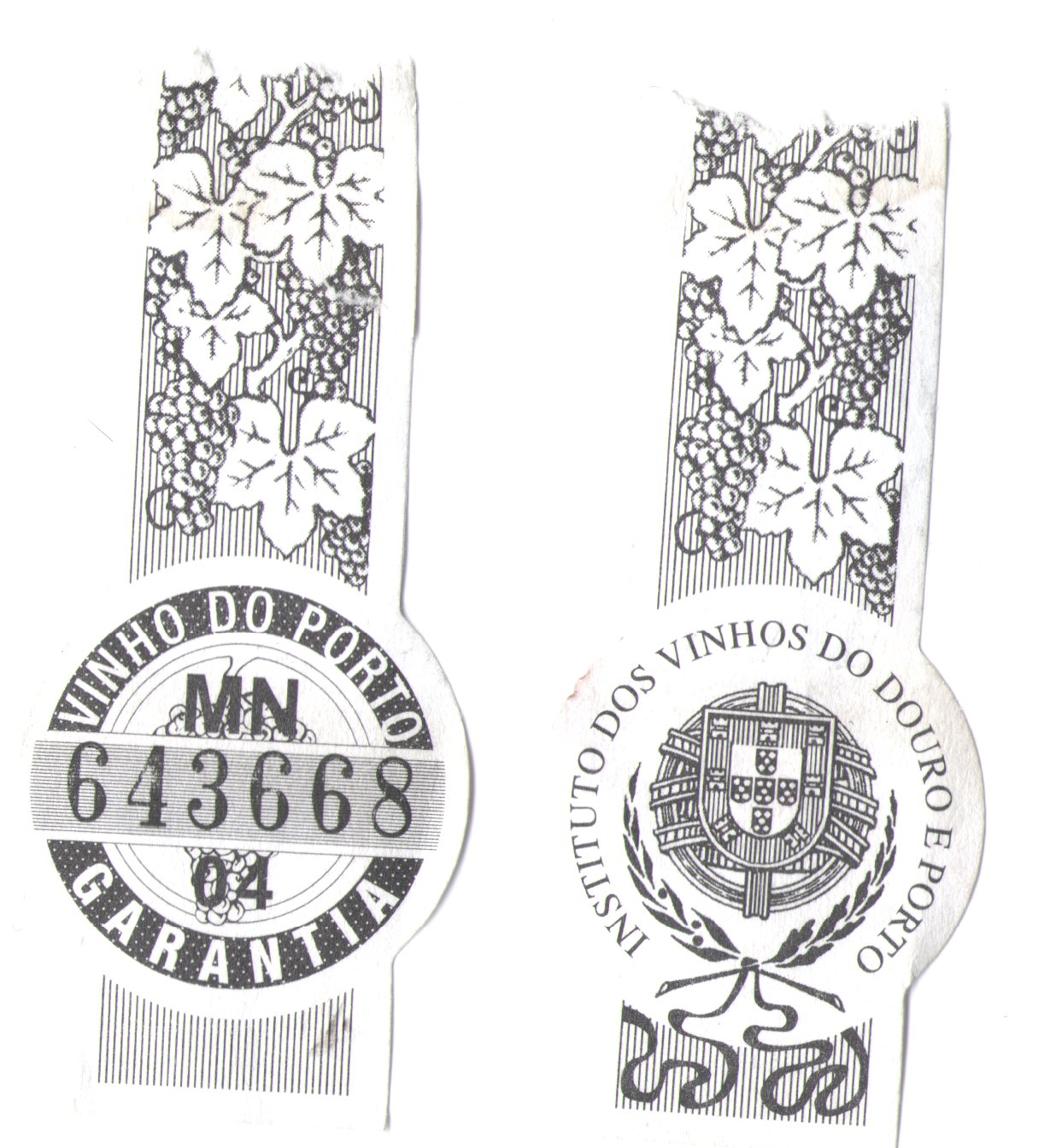


How and when is Port wine eaten?
Port wine is most often served after meals, especially with dessert, cheese, nuts, or chocolate. In English-speaking countries, it is a classic dessert wine, while in continental Europe, it is also enjoyed as an apéritif before meals. It can be served chilled or at room temperature, depending on the style. Tawny and white ports are often served cold, while ruby and vintage ports are usually served slightly warmer.
Kinds of Port wine
There are many types of port, mainly divided into those aged in bottles and those aged in barrels. Ruby ports are young and fruity, while tawny ports are aged longer and have nutty, caramel notes. Vintage ports are made from the best grapes of a single year and aged in bottles. White ports use white grape varieties and can be dry or sweet. Some regions outside Portugal make similar fortified wines, but only those from Portugal can be called port in the EU and US.
What Port wine means
Port wine is a symbol of Portuguese heritage and is protected by law as a product of the Douro region. Its production and export have shaped the history and economy of northern Portugal. The traditional flat-bottom boats, barcos rabelos, once carried port down the Douro River to Porto, and are now used in races and festivals. Port’s strong ties to British merchants are reflected in many of the famous brand names.
Questions people ask about Port wine
What is port wine made of?
Port wine is made from grapes grown in Portugal’s Douro Valley. The main ingredients are grapes and a neutral grape spirit, which is added to stop fermentation and preserve sweetness.
Where does port wine come from?
Port wine comes from the Douro Valley in northern Portugal. Its name comes from the city of Porto, where the wine was historically shipped for export.
How is port wine different from regular wine?
Port wine is fortified, meaning grape spirit is added during fermentation, which stops the process early and keeps more natural sugar. This results in a sweeter, stronger wine with higher alcohol.
What are the main types of port?
The main types are ruby (young and fruity), tawny (aged in barrels with nutty flavors), vintage (from a single year and aged in bottles), and white port (made from white grapes).
When is port wine usually served?
Port is often served after meals as a dessert wine, especially with cheese, nuts, or chocolate. In some places, it is also enjoyed before meals as an apéritif.
Good reading and sources
The facts on this page come from the Wikipedia article "Port wine", written by its contributors and used under the CC BY-SA 4.0 licence, and from its Wikidata record (CC0). Thali rewrote the text in its own words, with AI assistance, and compares every page with the article to make sure no passage is copied. It may be reused under the same CC BY-SA 4.0 licence with a link back.
It may contain mistakes, and it is not dietary or allergy advice: recipes differ from cook to cook. If something is wrong, tell us. Last refreshed 2026-10-03.
More from Portugal
All the food of Portugal Sangriasangría
🇪🇸 Spain and 1 moreRed wine mixed with fruit and served cold, from Spain and Portugal
Drink
Sangriasangría
🇪🇸 Spain and 1 moreRed wine mixed with fruit and served cold, from Spain and Portugal
Drink
 Vinho VerdeVegan
🇵🇹 PortugalYoung, slightly sparkling wine from northern Portugal, mostly white and fresh
Drink
Vinho VerdeVegan
🇵🇹 PortugalYoung, slightly sparkling wine from northern Portugal, mostly white and fresh
Drink
 JeropigaVegan
🇵🇹 Portugal and 1 morePortuguese sweet fortified drink made by adding aguardente to grape must
Drink
JeropigaVegan
🇵🇹 Portugal and 1 morePortuguese sweet fortified drink made by adding aguardente to grape must
Drink
 OrujoVegan
🇪🇸 Spain and 1 moreStrong, clear pomace spirit distilled from grape residue in northern Spain
Drink
OrujoVegan
🇪🇸 Spain and 1 moreStrong, clear pomace spirit distilled from grape residue in northern Spain
Drink
Its cousins elsewhere
All drinks WineVegan
🇬🇪 Georgia and 5 moreAlcoholic drink made by fermenting grape juice in many styles and colors
Drink
WineVegan
🇬🇪 Georgia and 5 moreAlcoholic drink made by fermenting grape juice in many styles and colors
Drink
 RakıVegan
🇹🇷 TurkeyTurkish spirit distilled from grapes and aniseed, served with water and meze
Drink, Dinner, Supper
RakıVegan
🇹🇷 TurkeyTurkish spirit distilled from grapes and aniseed, served with water and meze
Drink, Dinner, Supper
 CoffeeVegan
🇾🇪 Yemen and 5 moreA dark, bitter drink made by brewing roasted coffee beans
Drink, Breakfast, Snacks
CoffeeVegan
🇾🇪 Yemen and 5 moreA dark, bitter drink made by brewing roasted coffee beans
Drink, Breakfast, Snacks
 TeaVegan茶
🇨🇳 China and 5 moreA drink made by soaking tea leaves in hot or cold water
Drink
TeaVegan茶
🇨🇳 China and 5 moreA drink made by soaking tea leaves in hot or cold water
Drink