![Rakı (pronounced [ɾaˈkɯ]) is the most popular alcoholic drink in Turkey. It is considered as the national alcoholic beverage of Turkey. It's an anis spirit.](https://thumb.wikimedia.org/wikipedia/commons/thumb/0/04/Rak%C4%B1.jpg/1280px-Rak%C4%B1.jpg)
Rakı
Turkish spirit distilled from grapes and aniseed, served with water and meze
Rakı is a clear, anise-flavoured spirit from Turkey, made by distilling grape pomace and infusing it with aniseed. It is often enjoyed with water, which turns it milky-white, and is a staple at social dinners featuring meze and seafood. Rakı holds a special place in Turkish culture and is protected as a unique national drink.
- Turns milky-white when mixed with water
- Protected as a Turkish geographical indication since 2009
- Traditionally served with meze and seafood
- Made by distilling grape pomace and aniseed
- Alcohol content is typically 40–50%
What is Rakı?
Rakı is a strong alcoholic drink from Turkey, made by double distillation of grape pomace, which is the leftover skins and pulp from winemaking. Aniseed is added for its distinctive licorice-like aroma and taste. The clear spirit is usually mixed with water, which causes it to turn a cloudy white. Rakı is typically served in small glasses and is known for its bold, herbal scent and warming effect.
Where does Rakı come from?
The earliest records of rakı in Turkish literature date back over 500 years, with mentions in poetry and travel accounts from the Ottoman period. While its exact beginnings are unclear, rakı was first described by the Ottoman explorer Evliya Çelebi in the 17th century. The drink became widespread in Turkey and across former Ottoman lands, with each region developing its own traditions and names for similar spirits. In modern times, rakı is recognized as a uniquely Turkish product, protected by law.
How is Rakı made?
To make rakı, grape pomace is distilled to create a base spirit called suma. This is then redistilled with aniseed in copper stills, sometimes with the addition of other fruits like figs or dates. The resulting spirit is diluted and sweetened, then rested for at least a month to let the flavors come together. The final drink is bottled at a high alcohol content, usually between 40% and 50%.

How and when is Rakı eaten?
Rakı is most often enjoyed as part of a shared meal, especially at gatherings known as rakı sofrası. It is served with meze, which are small plates of appetizers, and pairs well with seafood, grilled meats, cheeses, and fresh fruit like melon. The drink is almost always diluted with water and sometimes ice, which gives it a cloudy look. Toasts and table rituals are common, and the drink is seen as a symbol of hospitality and friendship.
Kinds of Rakı
While most rakı is made from grapes, some versions use figs, especially in southern Turkey. There are also differences in production methods, such as using fresh grapes versus raisins. Brands like Yeni Rakı and Tekirdağ Rakısı are well known, each with its own flavor profile. In other countries, similar spirits go by names like rakia or tsikoudia, but Turkish rakı is always flavored with anise.
What Rakı means
Rakı is deeply woven into Turkish social life and is considered the national drink. It is legally protected as a product unique to Turkey, made only from local grapes and anise. The drink is associated with long, convivial dinners and is linked to famous figures in Turkish history, including Atatürk. Its milky-white appearance when mixed with water has earned it the nickname 'lion's milk,' symbolizing strength and camaraderie.
Questions people ask about Rakı
What is rakı made from?
Rakı is made by distilling grape pomace, which is the leftover skins and pulp from winemaking, and then redistilling it with aniseed for flavor. Some types also use figs or dates.
Where does rakı come from?
Rakı originates from Turkey, where it is considered the national drink. It has a long history in Turkish culture and is also known in other regions that were once part of the Ottoman Empire.
How is rakı usually served?
Rakı is typically served mixed with water, which turns it cloudy white, and often with ice. It is enjoyed with small plates of food called meze, especially seafood and grilled dishes.
What does rakı taste like?
Rakı has a strong, herbal flavor dominated by aniseed, which gives it a licorice-like aroma and taste. The drink is smooth but potent, with a warming finish.
Is rakı only made from grapes?
While most rakı is made from grapes, some versions use figs or dates, especially in certain regions of Turkey. The main requirement is that it is flavored with aniseed.
Good reading and sources
The facts on this page come from the Wikipedia article "Rakı", written by its contributors and used under the CC BY-SA 4.0 licence, and from its Wikidata record (CC0). Thali rewrote the text in its own words, with AI assistance, and compares every page with the article to make sure no passage is copied. It may be reused under the same CC BY-SA 4.0 licence with a link back.
It may contain mistakes, and it is not dietary or allergy advice: recipes differ from cook to cook. If something is wrong, tell us. Last refreshed 2026-10-03.
More from Turkey
All the food of Turkey TeaVegan茶
🇨🇳 China and 5 moreA drink made by soaking tea leaves in hot or cold water
Drink
TeaVegan茶
🇨🇳 China and 5 moreA drink made by soaking tea leaves in hot or cold water
Drink
 Turkish coffeeVeganTürk kahvesi
🇹🇷 Turkey and 5 moreUnfiltered coffee brewed in a small pot and served with its fine grounds
Drink, Snacks
Turkish coffeeVeganTürk kahvesi
🇹🇷 Turkey and 5 moreUnfiltered coffee brewed in a small pot and served with its fine grounds
Drink, Snacks
 AyranVegetarian
🇹🇷 Turkey and 5 moreChilled yogurt drink mixed with water and salt, popular in Turkey and beyond
Drink, Breakfast, Lunch
AyranVegetarian
🇹🇷 Turkey and 5 moreChilled yogurt drink mixed with water and salt, popular in Turkey and beyond
Drink, Breakfast, Lunch
 Kefir
🇷🇺 Russia and 5 moreA tangy, fermented milk drink made with kefir grains
Drink, Breakfast, Lunch
Kefir
🇷🇺 Russia and 5 moreA tangy, fermented milk drink made with kefir grains
Drink, Breakfast, Lunch
Its cousins elsewhere
All drinks Port wineVeganvinho do Porto
🇵🇹 PortugalSweet, fortified wine from Portugal’s Douro Valley, aged in barrels or bottles
Drink, Tea time, Dinner
Port wineVeganvinho do Porto
🇵🇹 PortugalSweet, fortified wine from Portugal’s Douro Valley, aged in barrels or bottles
Drink, Tea time, Dinner
 Vinho VerdeVegan
🇵🇹 PortugalYoung, slightly sparkling wine from northern Portugal, mostly white and fresh
Drink
Vinho VerdeVegan
🇵🇹 PortugalYoung, slightly sparkling wine from northern Portugal, mostly white and fresh
Drink
 OuzoVeganούζο
🇬🇷 Greece and 1 moreGreek anise-flavored spirit, often served with water and meze
Drink, Snacks
OuzoVeganούζο
🇬🇷 Greece and 1 moreGreek anise-flavored spirit, often served with water and meze
Drink, Snacks
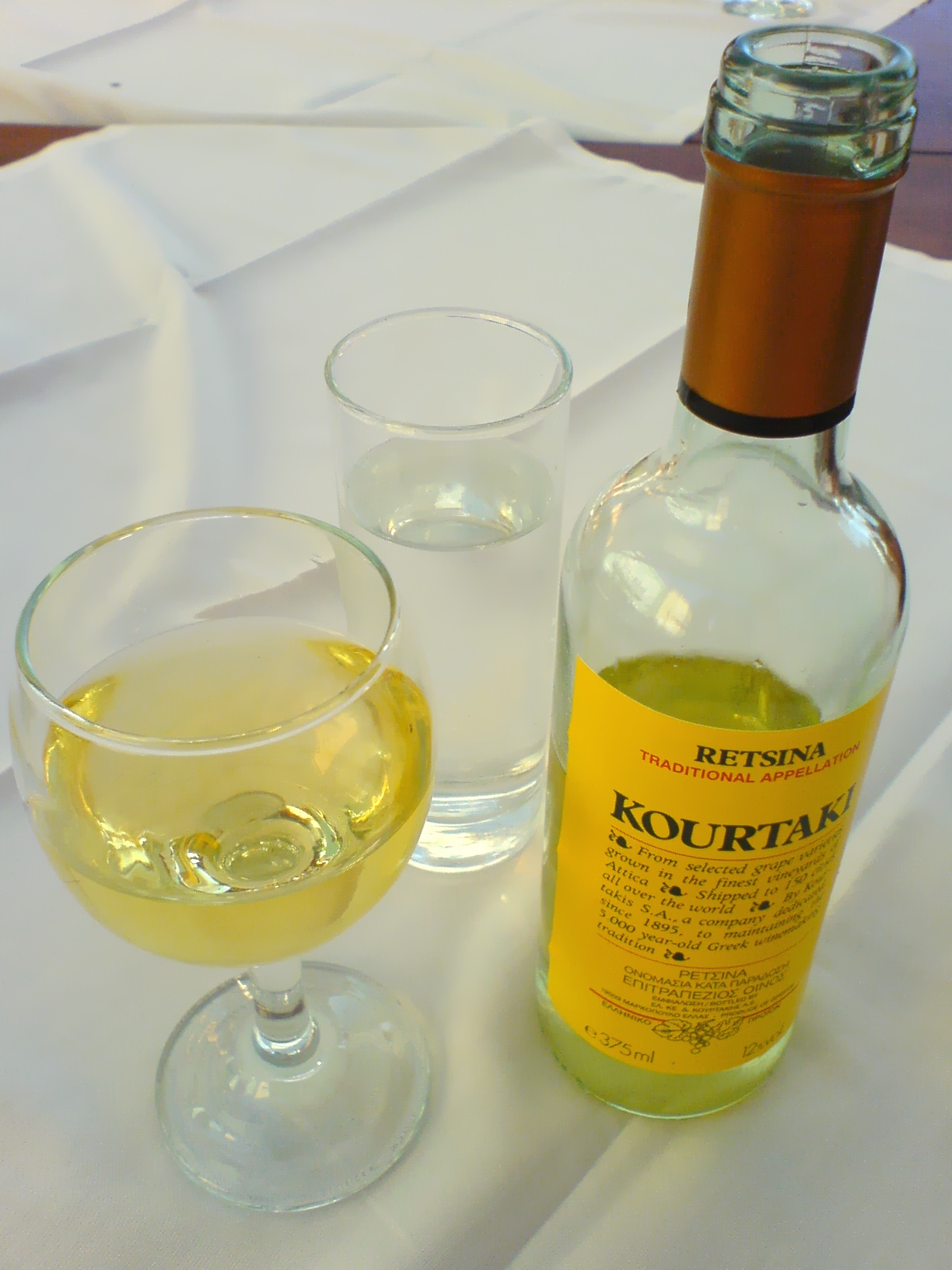 RetsinaVeganρετσίνα
🇬🇷 Greece and 1 moreGreek white or rosé wine flavored with pine resin
Drink
RetsinaVeganρετσίνα
🇬🇷 Greece and 1 moreGreek white or rosé wine flavored with pine resin
Drink