
Rat na
In its own language: ราดหน้า
Wide rice noodles topped with a thick, savory sauce and meat or tofu
Rat na is a noodle dish from Thailand and Laos, made by stir-frying wide rice noodles and topping them with a glossy sauce thickened with starch. The sauce covers meat, seafood, or tofu, along with leafy greens like gai lan. It is eaten hot, often at street stalls, and seasoned at the table with vinegar, chili, and sugar.
- Topped with a thick sauce made from stock and fermented soy beans
- Usually made with wide rice noodles, but other noodles are sometimes used
- Gai lan is the traditional green, but broccoli can be substituted
- Commonly sold by street vendors in Thailand and Laos
- Diners season it themselves with vinegar, chili, and sugar
What is Rat na?
Rat na is a noodle meal where broad, flat rice noodles are cooked and then topped with a thick, savory sauce. The sauce is glossy and smooth, made by thickening stock with starch and flavored with fermented soy beans, soy sauce, and fish sauce. Meat such as chicken, pork, beef, or seafood is used, or sometimes tofu for a vegetarian version. Gai lan, a leafy Chinese green, is a key vegetable, though broccoli or broccolini can be used if gai lan is not available. Garlic and white pepper add aroma and mild heat. The dish is served hot, with the sauce poured over the noodles just before eating.
Where does Rat na come from?
Rat na traces its roots to southern China, brought to Thailand by Teochew migrants from the Chaoshan area. Over time, it became a familiar part of Thai and Lao street food, adapting to local tastes and ingredients. In Laos, the dish is prepared in much the same way, sometimes with the addition of straw mushrooms and using broccoli in place of gai lan. The name means 'topping' in Thai, referring to the sauce poured over the noodles.
How is Rat na made?
To make rat na, wide rice noodles are stir-fried until slightly browned. Separately, a sauce is prepared by simmering stock with fermented soy beans, then thickening it with tapioca or cornstarch. Meat, seafood, or tofu is cooked in the sauce along with garlic and greens like gai lan. The hot sauce is then poured over the noodles. At the table, diners often add sugar, fish sauce, vinegar-soaked chilies, or dried chili flakes to taste.

How and when is Rat na eaten?
Rat na is a common choice for lunch or dinner, especially from street vendors in Thailand and Laos. It is served hot, often in a shallow bowl or plate, with the sauce soaking into the noodles. Diners can adjust the flavor with condiments provided at the table, such as pickled chilies, sugar, and extra fish sauce. The dish is filling and enjoyed as a main meal, eaten with chopsticks or a fork and spoon.
Kinds of Rat na
Some versions use thin rice noodles or crispy deep-fried egg noodles instead of the usual wide rice noodles. When egg noodles are used, the sauce is poured on top to soften them. In places where gai lan is hard to find, cooks substitute broccoli or broccolini. Lao versions may include straw mushrooms. The protein can be varied, with chicken, pork, beef, seafood, or tofu all common.
What Rat na means
Rat na is a staple of street food culture in both Thailand and Laos, valued for its comforting texture and customizable flavors. It is not tied to any specific festival or religious occasion, but is part of everyday eating. The dish reflects the influence of Chinese migration on Southeast Asian food, blending Chinese techniques with local ingredients and tastes.
Questions people ask about Rat na
What is rat na made of?
Rat na is made with wide rice noodles, meat or tofu, leafy greens like gai lan, and a sauce thickened with starch and flavored with fermented soy beans, soy sauce, and fish sauce.
Where does rat na come from?
Rat na originated in southern China and was brought to Thailand by Teochew migrants. It is now popular in both Thailand and Laos.
What kind of noodles are used in rat na?
The dish typically uses wide, flat rice noodles, though thin rice noodles or crispy egg noodles can also be used in some versions.
Is rat na always made with meat?
No, rat na can be made with chicken, pork, beef, seafood, or tofu, so both meat and vegetarian versions exist.
How is rat na usually eaten?
It is served hot as a main meal, often from street vendors, and diners add condiments like vinegar, chili, and sugar to suit their taste.
Good reading and sources
The facts on this page come from the Wikipedia article "Rat na", written by its contributors and used under the CC BY-SA 4.0 licence, and from its Wikidata record (CC0). Thali rewrote the text in its own words, with AI assistance, and compares every page with the article to make sure no passage is copied. It may be reused under the same CC BY-SA 4.0 licence with a link back.
It may contain mistakes, and it is not dietary or allergy advice: recipes differ from cook to cook. If something is wrong, tell us. Last refreshed 2026-10-03.
More from Thailand
All the food of Thailand Roti canaiரொட்டி சென்னை
🇲🇾 Malaysia and 5 moreUnleavened flatbread tossed thin and cooked until crisp, served with curry or dal
Bread, Breakfast, Snacks
Roti canaiரொட்டி சென்னை
🇲🇾 Malaysia and 5 moreUnleavened flatbread tossed thin and cooked until crisp, served with curry or dal
Bread, Breakfast, Snacks
 KabochaVeganカボチャ
🇯🇵 Japan and 5 moreA sweet, dense winter squash with edible skin, used in Japanese and Asian cooking
Main dish, Lunch, Dinner
KabochaVeganカボチャ
🇯🇵 Japan and 5 moreA sweet, dense winter squash with edible skin, used in Japanese and Asian cooking
Main dish, Lunch, Dinner
 Thingyan riceFish or seafoodသင်္ကြန်ထမင်း
🇲🇲 Myanmar and 1 moreRice in scented water, served cold with fried dried fish for the Burmese New Year
Main dish, Lunch, Dinner
Thingyan riceFish or seafoodသင်္ကြန်ထမင်း
🇲🇲 Myanmar and 1 moreRice in scented water, served cold with fried dried fish for the Burmese New Year
Main dish, Lunch, Dinner
Its cousins elsewhere
All main dishes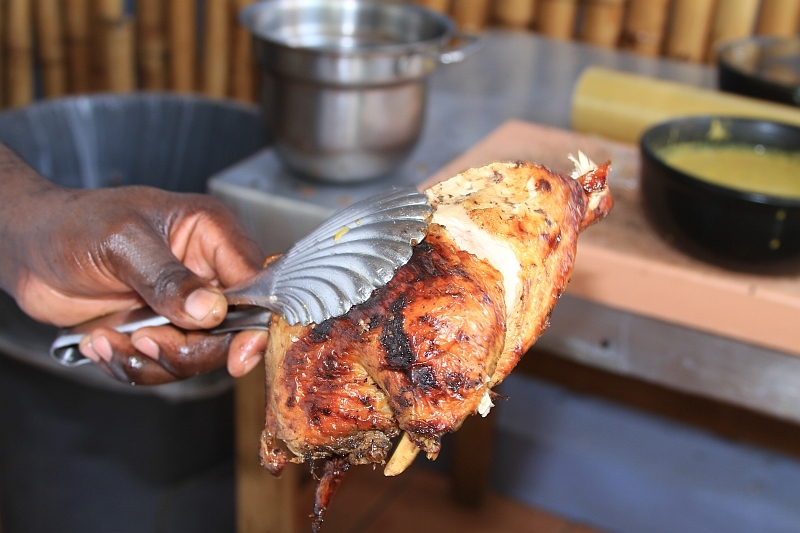 Jerk
🇯🇲 Jamaica and 5 moreMeat marinated with hot spices and smoked over pimento wood
Main dish, Lunch, Dinner
Jerk
🇯🇲 Jamaica and 5 moreMeat marinated with hot spices and smoked over pimento wood
Main dish, Lunch, Dinner
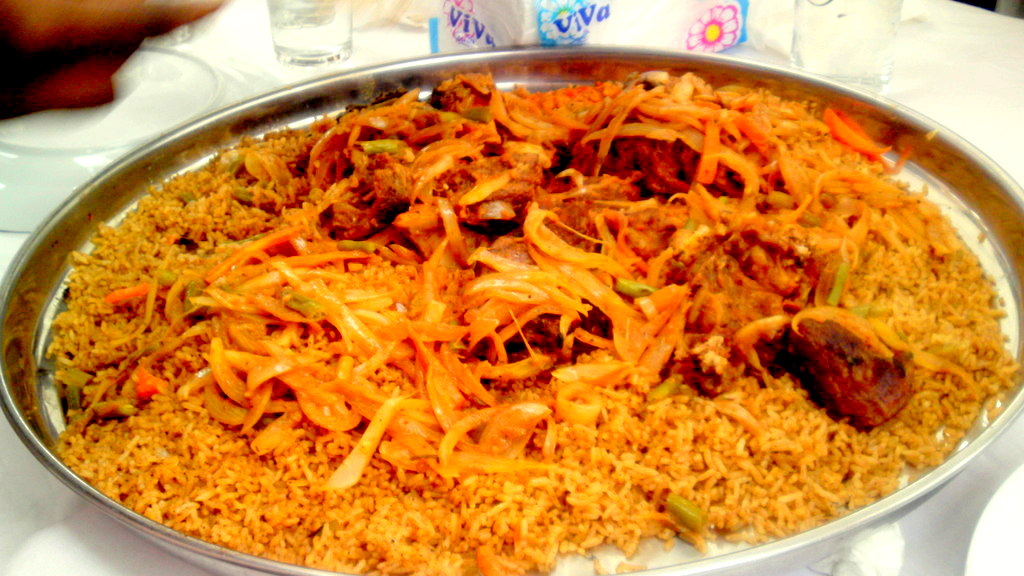 Riz grasMeat
🇧🇫 Burkina Faso and 4 moreWest African rice cooked with meat and vegetables, served hot
Main dish, Lunch, Dinner
Riz grasMeat
🇧🇫 Burkina Faso and 4 moreWest African rice cooked with meat and vegetables, served hot
Main dish, Lunch, Dinner
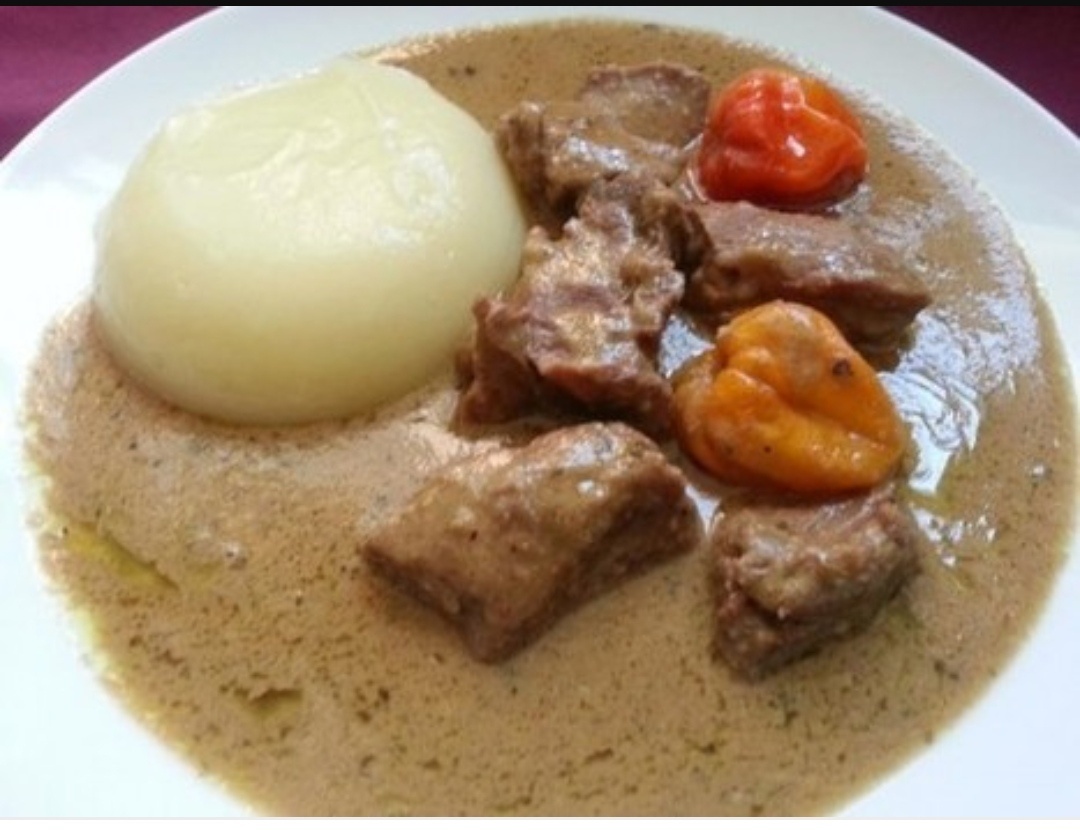 Peanut stew
🇸🇳 Senegal and 5 moreA rich West African stew of meat and vegetables in a spiced peanut sauce
Stew or curry, Lunch, Dinner
Peanut stew
🇸🇳 Senegal and 5 moreA rich West African stew of meat and vegetables in a spiced peanut sauce
Stew or curry, Lunch, Dinner
 Pâté
🇫🇷 France and 5 moreA smooth or coarse spread made from minced meat, liver, or vegetables
Sauce, pickle or ferment
Pâté
🇫🇷 France and 5 moreA smooth or coarse spread made from minced meat, liver, or vegetables
Sauce, pickle or ferment