
Mole
A thick, complex Mexican sauce made with chilis, nuts, spices and sometimes chocolate
Mole is a traditional Mexican sauce and marinade, known for its deep flavor and thick texture. It is made from a blend of chili peppers, nuts, spices, and sometimes chocolate, with many regional varieties across Mexico. Mole is most often served over meats like turkey or chicken and is a staple at celebrations and special occasions.
- Mole has over 50 regional varieties across Mexico
- Classic mole poblano uses around 20 ingredients
- Oaxaca is known as 'the land of the seven moles'
- San Pedro Atocpan produces most of Mexico City's mole
- Mole is both a sauce and a marinade
What is Mole?
Mole is a rich, thick sauce from Mexico, made by blending several kinds of dried chili peppers with nuts, seeds, spices, and sometimes fruit or chocolate. The sauce can be deep red, brown, black, or green, depending on the ingredients and region. Its flavor is layered and complex, often smoky, earthy, and slightly sweet, with a velvety texture. Mole is usually served over meats such as turkey, chicken, or pork, and is a central part of many Mexican celebrations.
Where does Mole come from?
Mole has roots in pre-Hispanic Mexico, where sauces called mōlli were made from ground chili peppers and other local ingredients. The best-known moles come from Puebla and Oaxaca, each with their own regional styles. Legends tell of nuns in Puebla creating mole by combining what little they had to serve an important guest, but the true origins are a blend of indigenous and colonial influences. Over time, mole became a symbol of Mexico's mixed heritage, using ingredients from across the world.
How is Mole made?
Making mole is a lengthy process. Dried chilis are roasted, along with nuts, seeds, spices, and sometimes bread or tortillas. These are ground into a fine paste, often by hand or at a local mill. The paste is simmered with broth or water until thick and fragrant. Chocolate, if used, is added at the end. Each family or region may have its own recipe, with some moles using over 20 ingredients. The sauce is usually made in large batches for special occasions.


How and when is Mole eaten?
Mole is most often served as a sauce over meats, especially turkey and chicken, but also pork or lamb. It is a main dish at lunches, dinners, and festive gatherings, accompanied by rice, beans, and tortillas. Leftover mole can be used in tamales or poured over eggs. In Mexico, mole is a dish for both everyday meals and major celebrations, including weddings and festivals. It is rarely eaten alone and is always paired with other foods.
Kinds of Mole
There are many types of mole, including mole poblano (dark red-brown, from Puebla), mole negro (black, from Oaxaca), mole rojo (red), and mole verde (green, made with pumpkin seeds and green chilis). Oaxaca is famous for its 'seven moles', each with unique flavors and colors. Other regions have their own versions, such as chimole in Yucatán and Belize, and mole almendrado from San Pedro Atocpan. Ingredients and preparation methods vary widely by region and family.
What Mole means
Mole is deeply woven into Mexican culture. It is a dish for celebrations, weddings, and festivals, and is often made in large quantities for communal events. In places like San Pedro Atocpan, mole production is a major part of local life and economy. Mole poblano is sometimes called Mexico's national dish. The making of mole is a family tradition, with recipes and techniques passed down through generations.
Questions people ask about Mole
What is mole made of?
Mole is made from a blend of dried chili peppers, nuts, spices, and sometimes fruit or chocolate. Other common ingredients include seeds, garlic, onion, and tomatoes. The exact mix varies by region and family.
Where does mole come from?
Mole comes from Mexico, with the most famous versions originating in the regions of Puebla and Oaxaca. It has roots in pre-Hispanic cooking and evolved with the addition of ingredients from Europe and beyond.
Is chocolate always used in mole?
Chocolate is not always used in mole. While some varieties, like mole poblano and mole negro, may include chocolate for depth and color, many other types do not use it at all.
How is mole served?
Mole is usually served as a sauce over meats such as turkey, chicken, or pork. It is often accompanied by rice, beans, and tortillas, and is a centerpiece at festive meals and family gatherings.
Are there different types of mole?
Yes, there are many types of mole, including mole poblano, mole negro, mole rojo, and mole verde. Each region and family may have its own recipe, with different ingredients and flavors.
Good reading and sources
- Holy moleThe Guardian, Article
- There's no shame in making mole from premade pastes. Here are some tipsLos Angeles Times, Article
The facts on this page come from the Wikipedia article "Mole (sauce)", written by its contributors and used under the CC BY-SA 4.0 licence, and from its Wikidata record (CC0). Thali rewrote the text in its own words, with AI assistance, and compares every page with the article to make sure no passage is copied. It may be reused under the same CC BY-SA 4.0 licence with a link back.
It may contain mistakes, and it is not dietary or allergy advice: recipes differ from cook to cook. If something is wrong, tell us. Last refreshed 2026-10-03.
More from Mexico
All the food of Mexico GuacamoleVegan
🇲🇽 Mexico and 1 moreAvocado mashed with lime, salt, and herbs, served as a dip or spread
Sauce, pickle or ferment, Snacks, Lunch
GuacamoleVegan
🇲🇽 Mexico and 1 moreAvocado mashed with lime, salt, and herbs, served as a dip or spread
Sauce, pickle or ferment, Snacks, Lunch
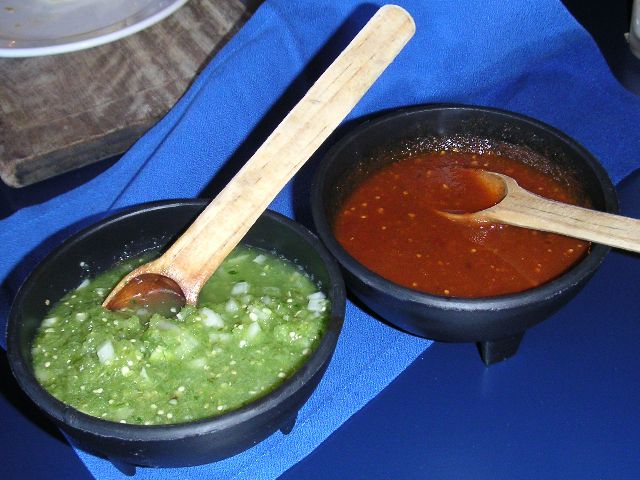 SalsaVegan
🇲🇽 Mexico and 1 moreMexican table sauces made with chili, tomato, and onion, served as condiments or dips
Sauce, pickle or ferment
SalsaVegan
🇲🇽 Mexico and 1 moreMexican table sauces made with chili, tomato, and onion, served as condiments or dips
Sauce, pickle or ferment
 Pico de galloVegan
🇲🇽 MexicoChopped tomato, onion, chili and cilantro salad served as a fresh salsa
Salad or side
Pico de galloVegan
🇲🇽 MexicoChopped tomato, onion, chili and cilantro salad served as a fresh salsa
Salad or side
 Adobo
🇪🇸 Spain and 5 moreA marinade or sauce of paprika, garlic, salt, vinegar and spices from Iberia
Sauce, pickle or ferment
Adobo
🇪🇸 Spain and 5 moreA marinade or sauce of paprika, garlic, salt, vinegar and spices from Iberia
Sauce, pickle or ferment
Its cousins elsewhere
All sauces, pickles and ferments BhangVeganभांग
🇮🇳 IndiaCannabis leaf paste used in drinks and sweets, central to Indian spring festivals
Drink, Snacks
BhangVeganभांग
🇮🇳 IndiaCannabis leaf paste used in drinks and sweets, central to Indian spring festivals
Drink, Snacks
 Imam BayıldıVeganİmam bayıldı
🇹🇷 Turkey and 5 moreAubergine stuffed with onion, garlic and tomato, simmered in olive oil
Main dish, Lunch, Dinner
Imam BayıldıVeganİmam bayıldı
🇹🇷 Turkey and 5 moreAubergine stuffed with onion, garlic and tomato, simmered in olive oil
Main dish, Lunch, Dinner
 Arrabbiata sauceVegan
🇮🇹 ItalySpicy Italian tomato sauce with garlic and chili from Rome
Sauce, pickle or ferment, Lunch, Dinner
Arrabbiata sauceVegan
🇮🇹 ItalySpicy Italian tomato sauce with garlic and chili from Rome
Sauce, pickle or ferment, Lunch, Dinner
 ChakalakaVegan
🇿🇦 South Africa and 1 moreSpicy South African vegetable relish often served with bread or pap
Sauce, pickle or ferment, Lunch, Dinner
ChakalakaVegan
🇿🇦 South Africa and 1 moreSpicy South African vegetable relish often served with bread or pap
Sauce, pickle or ferment, Lunch, Dinner