
Satay
In its own language: ꦱꦠꦺ
Grilled skewers of seasoned meat or seafood, often served with peanut sauce
Satay is a dish from Indonesia and Malaysia made of marinated meat, seafood, or sometimes vegetables, threaded onto sticks and grilled over charcoal. It is usually served hot with a peanut-based sauce, rice cakes, and fresh or pickled vegetables. Satay is enjoyed at street stalls, markets, and celebrations throughout Southeast Asia.
- Satay is grilled on skewers over charcoal
- Peanut sauce is the most common accompaniment
- Popular in Indonesia, Malaysia, Singapore, and Thailand
- Can be made with chicken, beef, goat, fish, or seafood
- Often served with rice cakes and pickled vegetables
What is Satay?
Satay is made by threading small pieces of seasoned meat, seafood, or sometimes vegetables onto thin sticks, usually bamboo, and grilling them over a charcoal fire. The skewers are often served with a thick, nutty peanut sauce, and may come with rice cakes, slices of cucumber, or pickled vegetables. The dish can be made with chicken, beef, goat, pork, or fish, and the taste varies from sweet and spicy to savory, depending on the marinade and sauce. The skewers are typically smoky from the grill and coated in a rich, aromatic sauce.
Where does Satay come from?
Satay developed in Indonesia and Malaysia, shaped by influences from Middle Eastern kebabs, South Asian grilling, and Chinese methods of skewering meat. These techniques blended in busy trading centers, where cooks adapted them with local spices like lemongrass, turmeric, and galangal. The use of peanuts in the sauce came later, after they were introduced from the Americas. Over time, satay spread from coastal towns to inland regions, becoming a common street food and a dish for gatherings and festivals.
How is Satay made?
To make satay, cooks cut meat or seafood into bite-sized pieces and marinate them with spices, sometimes including sweet soy sauce, turmeric, or coconut milk. The pieces are then threaded onto sticks and grilled over hot charcoal, which gives them a smoky flavor. The finished skewers are served with a sauce, most often made from ground peanuts, and may be accompanied by rice cakes or pickled vegetables. Some versions use lemongrass stalks instead of bamboo for extra aroma.


How and when is Satay eaten?
Satay is enjoyed as a main dish, a snack, or as part of a larger meal. It is sold by street vendors, at markets, and in restaurants, and is popular at festivals and family gatherings. People often eat it with their hands, dipping the skewers into sauce and pairing them with rice cakes or fresh vegetables. In some places, it is a favorite evening food, eaten outdoors in lively settings.
Kinds of Satay
Many regions have their own take on satay. In Java, chicken and goat are common, with sweet soy marinades and peanut sauce. Bali has a version with minced meat and coconut, while Sumatra offers satay with spicy turmeric sauce. The Malay Peninsula features beef, chicken, and even fish satay, often served with rice cakes and cucumber. Thailand adapted satay with pork and a tangy cucumber relish. Other countries, like Singapore and the Philippines, have their own styles, shaped by local tastes and ingredients.
What Satay means
Satay is a symbol of national pride in Indonesia and Malaysia, and is a staple of street food culture in Singapore and Thailand. It is served at festivals, night markets, and family events, and has become a way for overseas communities to connect with their heritage. The dish is also found in Suriname, the Netherlands, and South Africa, where it was brought by migrants and adapted into local cuisines. Satay remains a familiar and festive food across Southeast Asia and beyond.
Questions people ask about Satay
What is satay made of?
Satay is made from marinated pieces of meat, seafood, or sometimes vegetables, which are skewered and grilled. Common choices include chicken, beef, goat, pork, or fish, often served with a peanut-based sauce.
Where does satay come from?
Satay originated in Indonesia and Malaysia, shaped by influences from Middle Eastern, South Asian, and Chinese cooking traditions. It spread throughout Southeast Asia and is now enjoyed in many countries.
How is satay usually served?
Satay is typically served hot, straight from the grill, with a side of peanut sauce. It often comes with rice cakes, cucumber slices, or pickled vegetables.
Is satay always made with meat?
While most satay is made with meat or seafood, there are vegetarian versions that use vegetables or tofu, depending on the region and local preferences.
What makes satay different in each country?
Each country and region adapts satay with its own marinades, sauces, and choice of meat or fish. For example, some use sweet soy sauce, others add coconut milk or turmeric, and the sauces and side dishes also vary.
Good reading and sources
- Sate buntel, makanan kesukaan JokowiBBC, Article
- The World of SataySaveur, Article
- How Singapore street food got recognized as a UNESCO treasureNational Geographic, Article
The facts on this page come from the Wikipedia article "Satay", written by its contributors and used under the CC BY-SA 4.0 licence, and from its Wikidata record (CC0). Thali rewrote the text in its own words, with AI assistance, and compares every page with the article to make sure no passage is copied. It may be reused under the same CC BY-SA 4.0 licence with a link back.
It may contain mistakes, and it is not dietary or allergy advice: recipes differ from cook to cook. If something is wrong, tell us. Last refreshed 2026-10-03.
More from Indonesia
All the food of Indonesia Biryani
🇮🇳 India and 5 moreRice and spiced meat or vegetables layered and cooked together
Main dish, Lunch, Dinner
Biryani
🇮🇳 India and 5 moreRice and spiced meat or vegetables layered and cooked together
Main dish, Lunch, Dinner
 Roti canaiரொட்டி சென்னை
🇲🇾 Malaysia and 5 moreUnleavened flatbread tossed thin and cooked until crisp, served with curry or dal
Bread, Breakfast, Snacks
Roti canaiரொட்டி சென்னை
🇲🇾 Malaysia and 5 moreUnleavened flatbread tossed thin and cooked until crisp, served with curry or dal
Bread, Breakfast, Snacks
 BreadfruitVegan
🇵🇭 Philippines and 4 moreLarge tropical fruit cooked as a starchy staple in many island cuisines
Main dish, Lunch, Dinner
BreadfruitVegan
🇵🇭 Philippines and 4 moreLarge tropical fruit cooked as a starchy staple in many island cuisines
Main dish, Lunch, Dinner
Its cousins elsewhere
All main dishes Pâté
🇫🇷 France and 5 moreA smooth or coarse spread made from minced meat, liver, or vegetables
Sauce, pickle or ferment
Pâté
🇫🇷 France and 5 moreA smooth or coarse spread made from minced meat, liver, or vegetables
Sauce, pickle or ferment
 Pastillaبسطيلة
🇲🇦 Morocco and 2 moreNorth African pie with layers of thin pastry and a savory or sweet filling
Main dish, Dinner, Lunch
Pastillaبسطيلة
🇲🇦 Morocco and 2 moreNorth African pie with layers of thin pastry and a savory or sweet filling
Main dish, Dinner, Lunch
 CachupaKatxupa
🇨🇻 Cape Verde and 1 moreSlow-cooked Cape Verdean stew of corn, beans, and fish or meat
Stew or curry, Breakfast, Lunch
CachupaKatxupa
🇨🇻 Cape Verde and 1 moreSlow-cooked Cape Verdean stew of corn, beans, and fish or meat
Stew or curry, Breakfast, Lunch
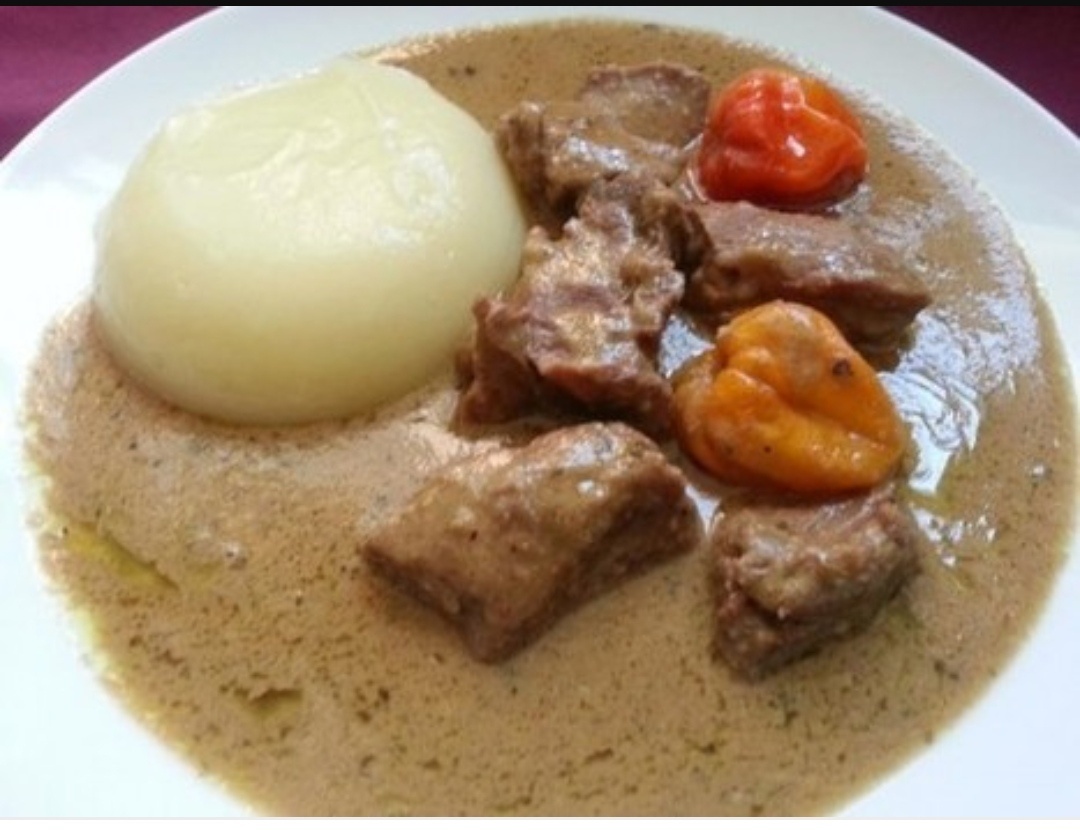 Peanut stew
🇸🇳 Senegal and 5 moreA rich West African stew of meat and vegetables in a spiced peanut sauce
Stew or curry, Lunch, Dinner
Peanut stew
🇸🇳 Senegal and 5 moreA rich West African stew of meat and vegetables in a spiced peanut sauce
Stew or curry, Lunch, Dinner