
Sbiten
Hot honey drink with spices, once Russia’s winter staple
Sbiten is a traditional Eastern Slavic drink made by boiling honey with spices and herbs in water. It was widely enjoyed in Russia, Belarus, and Ukraine, especially in winter, before tea became common. Sbiten can be sweet or spicy, served hot or cold, and sometimes mixed with tea or coffee.
- Made by boiling honey with spices and herbs in water
- Popular in Russia before tea and coffee
- Can be served hot or cold
- Once sold by street vendors from metal pots
- Revived as a sweet syrup in modern times
What is Sbiten?
Sbiten is a sweet and spicy drink made by boiling honey with water, herbs, and spices. Its color is usually a deep purple, and the taste can range from very sweet to quite spicy, depending on the recipe. Sometimes jam is added for extra flavor. Sbiten is most often served hot in winter, but it can also be chilled for summer or used as a syrup in tea or coffee. The aroma is rich with honey and spice.
Where does Sbiten come from?
Sbiten has been part of Eastern Slavic food culture since at least 1128, first appearing in Russian chronicles. It was the most popular hot drink in Russia until tea and coffee arrived in the 19th century. In the 18th century, it was still a common and affordable choice. Peter the Great gave sbiten to workers building St. Petersburg to help them cope with the cold. Sailors drank it with citrus or ginger juice as a remedy for scurvy. After fading from daily life, sbiten returned in the 1990s as a sweet syrup sold in monastery shops.
How is Sbiten made?
To make sbiten, honey is boiled with water and a mix of spices and herbs. Some recipes call for boiling the honey and spices together, while others boil them separately and then combine. Jam can be added for extra flavor. The drink is usually non-alcoholic, but red wine can replace water for an alcoholic version. It may be garnished with mint or cinnamon. Sbiten is simple to prepare compared to other traditional Russian drinks.
How and when is Sbiten eaten?
Sbiten is mainly enjoyed as a warming drink in cold weather, but modern versions are also served cold. It can be drunk on its own or added to tea or coffee for extra sweetness and spice. In the past, it was sold by street vendors who carried metal pots and glasses, serving passersby. Today, it is often found in specialty shops or at markets, especially in Russia.
Kinds of Sbiten
Sbiten recipes vary in the choice and amount of spices, herbs, and jams. Some versions are very sweet, while others are more spicy. It can be made alcoholic by using red wine instead of water. Modern sbiten is sometimes sold as a thick syrup to be diluted or mixed with other drinks. Garnishes like mint or cinnamon are sometimes added.
What Sbiten means
Sbiten was once central to Russian daily life, especially before tea became popular. Street vendors called sbitenshchik played a visible role in cities, and their trade led to the invention of the samovar’s forerunner, the sbitennik. Sbiten has appeared in Russian opera and literature. Its recent revival links it to tradition and nostalgia, and it is now sold in monastery shops and at markets.
Questions people ask about Sbiten
What is sbiten made of?
Sbiten is made by boiling honey with water, spices, and herbs. Some recipes also add jam for extra flavor. The mix can be adjusted to taste, making it sweeter or spicier.
Where does sbiten come from?
Sbiten is a traditional drink from Russia, Belarus, and Ukraine. It has been part of Eastern Slavic cuisine since at least the 12th century.
Is sbiten alcoholic?
Sbiten is usually non-alcoholic, but some recipes use red wine instead of water to make an alcoholic version.
How is sbiten served?
Sbiten is most often served hot in winter, but it can also be served cold in summer or added to tea or coffee. It may be garnished with mint or cinnamon.
What does sbiten taste like?
Sbiten can be very sweet or quite spicy, depending on the recipe. Its main flavors are honey and a mix of spices and herbs.
Good reading and sources
The facts on this page come from the Wikipedia article "Sbiten", written by its contributors and used under the CC BY-SA 4.0 licence, and from its Wikidata record (CC0). Thali rewrote the text in its own words, with AI assistance, and compares every page with the article to make sure no passage is copied. It may be reused under the same CC BY-SA 4.0 licence with a link back.
It may contain mistakes, and it is not dietary or allergy advice: recipes differ from cook to cook. If something is wrong, tell us. Last refreshed 2026-10-03.
More from Russia
All the food of Russia VodkaVeganwódka
🇷🇺 Russia and 5 moreA clear spirit distilled from grains or potatoes, known for its neutral taste
Drink
VodkaVeganwódka
🇷🇺 Russia and 5 moreA clear spirit distilled from grains or potatoes, known for its neutral taste
Drink
 KvassVeganквас
🇷🇺 Russia and 5 moreA tangy, slightly sweet fermented drink made from rye bread or flour
Drink
KvassVeganквас
🇷🇺 Russia and 5 moreA tangy, slightly sweet fermented drink made from rye bread or flour
Drink
 KumisКымыз
🇲🇳 Mongolia and 4 moreFermented mare's milk drink from the Central Asian steppe
Drink
KumisКымыз
🇲🇳 Mongolia and 4 moreFermented mare's milk drink from the Central Asian steppe
Drink
 Kefir
🇷🇺 Russia and 5 moreA tangy, fermented milk drink made with kefir grains
Drink, Breakfast, Lunch
Kefir
🇷🇺 Russia and 5 moreA tangy, fermented milk drink made with kefir grains
Drink, Breakfast, Lunch
Its cousins elsewhere
All drinks KompotVegan
🇵🇱 Poland and 5 moreSweet fruit drink made by simmering fresh or dried fruit in water
Drink
KompotVegan
🇵🇱 Poland and 5 moreSweet fruit drink made by simmering fresh or dried fruit in water
Drink
 Tej
🇪🇹 Ethiopia and 1 moreEthiopian and Eritrean honey wine fermented with gesho leaves
Drink
Tej
🇪🇹 Ethiopia and 1 moreEthiopian and Eritrean honey wine fermented with gesho leaves
Drink
 Hot chocolate
🇲🇽 Mexico and 5 moreA warm drink made from chocolate or cocoa, milk or water, and sugar
Drink, Breakfast, Snacks
Hot chocolate
🇲🇽 Mexico and 5 moreA warm drink made from chocolate or cocoa, milk or water, and sugar
Drink, Breakfast, Snacks
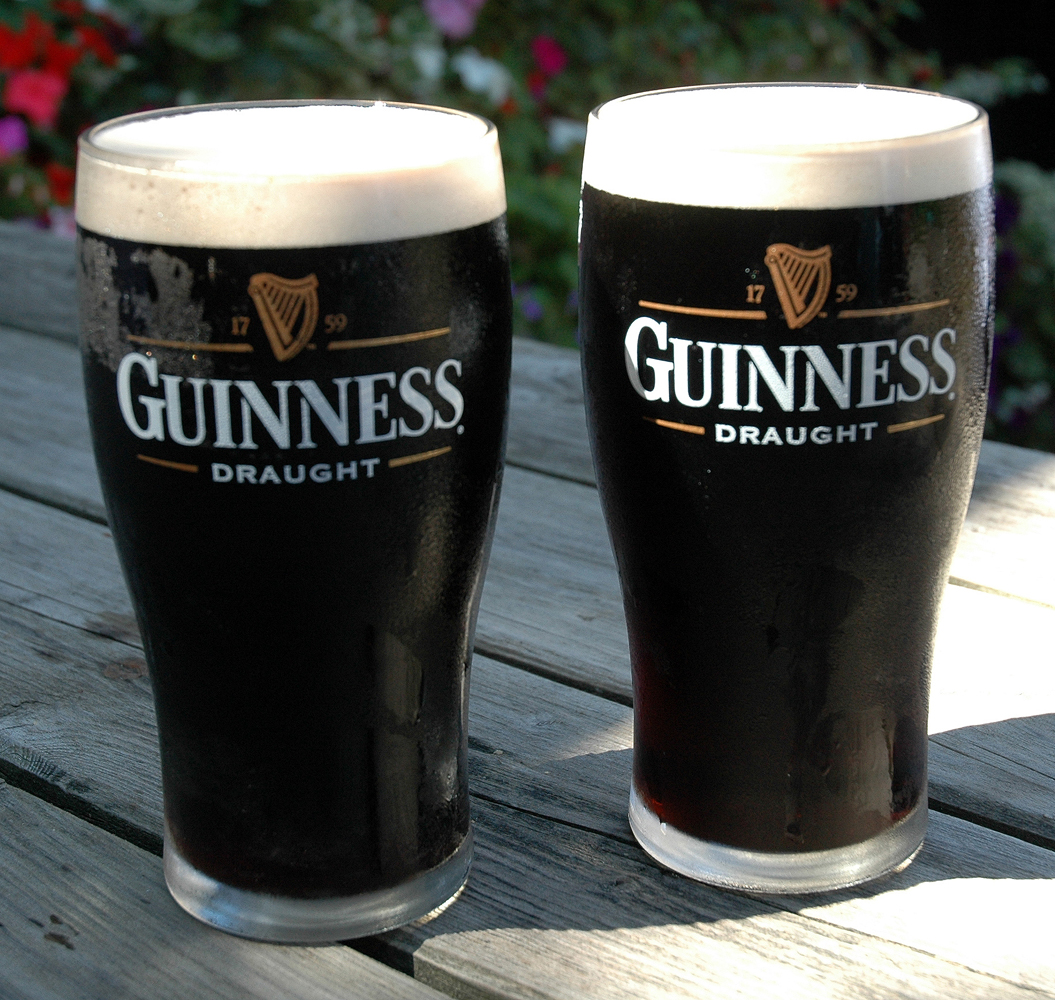 GuinnessVegan
🇮🇪 Ireland and 5 moreA dark Irish stout with a creamy head and dry, roasted flavour
Drink
GuinnessVegan
🇮🇪 Ireland and 5 moreA dark Irish stout with a creamy head and dry, roasted flavour
Drink