
Schnitzel
Thin slices of meat, pounded, breaded and fried until crisp
Schnitzel is a dish of thin meat slices, usually pounded flat, coated in breadcrumbs, and fried. It began in Austria as Wiener schnitzel, made with veal, but today versions with pork, chicken, beef, or turkey are found across Europe and beyond. Schnitzel is typically served hot as a main meal, often with potatoes or salad.
- Wiener schnitzel is made from veal and is a national dish of Austria
- Schnitzel is prepared by pounding meat thin and frying it in breadcrumbs
- Popular versions use pork, chicken, beef, or turkey
- Often served with potatoes, salad, and a slice of lemon
What is Schnitzel?
Schnitzel is a dish made from slices of meat, such as veal, pork, chicken, beef, or turkey, that are pounded thin to tenderize them. The meat is coated in flour, dipped in beaten egg, then covered with breadcrumbs before frying. The result is a crisp, golden crust surrounding juicy meat. It is usually served hot, often with a slice of lemon, potatoes, or salad. The breaded coating gives it a crunchy texture, while the inside remains tender.
Where does Schnitzel come from?
Schnitzel traces its roots to Austria, where Wiener schnitzel, made from veal, became a hallmark of Viennese cooking in the 19th century. The name comes from the German word for 'slice.' Over time, schnitzel spread throughout Central Europe and beyond, with each region adapting the dish to local tastes and available meats. Its similarity to other breaded cutlets, like Italy’s cotoletta alla Milanese, reflects shared culinary traditions in Europe.
How is Schnitzel made?
To make schnitzel, a slice of meat is first pounded with a meat tenderizer until thin. The meat is then dredged in flour, dipped in beaten egg, and coated with breadcrumbs. It is fried in fat until the outside is crisp and golden. The process creates a crunchy exterior while keeping the meat inside moist. In some places, unbreaded versions are also made, sometimes served with sauces.

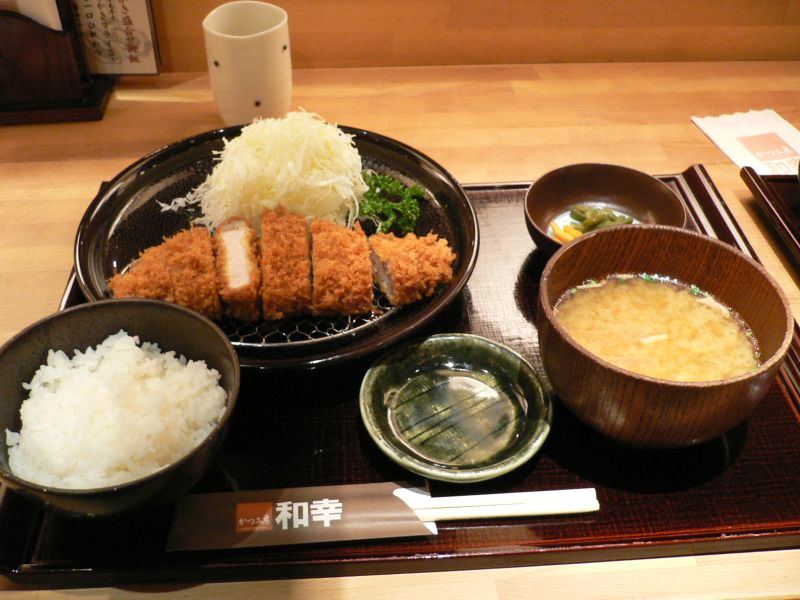


How and when is Schnitzel eaten?
Schnitzel is usually eaten as a main course for lunch or dinner. It is commonly served with potato salad, mashed potatoes, French fries, or a simple green salad. A wedge of lemon is often added for freshness. In some countries, schnitzel is also eaten in a sandwich or with various sauces. It is a popular everyday meal in homes and restaurants, especially in Austria and Germany.
Kinds of Schnitzel
Many countries have their own versions of schnitzel. Wiener schnitzel in Austria must be made with veal, while pork or chicken are common substitutes elsewhere. In Japan, tonkatsu uses pork and panko breadcrumbs. Finland’s Wieninleike is usually pork, topped with lemon, anchovy, and capers. Germany offers versions with mushroom or cream sauces. Some regions fill schnitzel with cheese and ham, as in cordon bleu.
What Schnitzel means
Schnitzel is a symbol of Austrian cuisine and is considered a national dish. Its popularity has made it a staple in Central European cooking, and it appears on menus from casual eateries to fine dining restaurants. In Austria and Germany, there are rules about what can be called Wiener schnitzel. The dish has inspired many local adaptations and is often linked to comfort food and family meals.
Questions people ask about Schnitzel
What is schnitzel made of?
Schnitzel is made from thin slices of meat, such as veal, pork, chicken, beef, or turkey. The meat is pounded, breaded with flour, egg, and breadcrumbs, and then fried.
Where does schnitzel come from?
Schnitzel originated in Austria, especially Vienna, as Wiener schnitzel. It is now popular in many countries, especially in Central Europe.
How is schnitzel served?
Schnitzel is usually served hot as a main dish, often with potatoes, salad, and a slice of lemon. In some places, it is also eaten in sandwiches or with sauces.
What are some common variations of schnitzel?
Common variations include using pork, chicken, beef, or turkey instead of veal. Some versions are filled with cheese and ham, or served with sauces like mushroom or cream.
Is schnitzel always breaded?
Most schnitzels are breaded, but some versions, especially in Austria and Germany, are served unbreaded with sauces.
Good reading and sources
- Encyclopaedia BritannicaArticle
- Does this schnitzel define Vienna?BBC, Article
- BBC - Tees Parmo!BBC, Recipe
The facts on this page come from the Wikipedia article "Schnitzel", written by its contributors and used under the CC BY-SA 4.0 licence, and from its Wikidata record (CC0). Thali rewrote the text in its own words, with AI assistance, and compares every page with the article to make sure no passage is copied. It may be reused under the same CC BY-SA 4.0 licence with a link back.
It may contain mistakes, and it is not dietary or allergy advice: recipes differ from cook to cook. If something is wrong, tell us. Last refreshed 2026-10-03.
More from Austria
All the food of Austria Hot dogMeat
🇺🇸 United States and 2 moreA sausage in a sliced bun, topped with condiments and eaten hot
Street food, Lunch, Dinner
Hot dogMeat
🇺🇸 United States and 2 moreA sausage in a sliced bun, topped with condiments and eaten hot
Street food, Lunch, Dinner
 GoulashMeatgulyás
🇭🇺 Hungary and 5 moreA paprika-spiced meat and vegetable soup from Hungary
Soup, Lunch, Dinner
GoulashMeatgulyás
🇭🇺 Hungary and 5 moreA paprika-spiced meat and vegetable soup from Hungary
Soup, Lunch, Dinner
 Pancake
🇺🇸 United States and 5 moreFlat cakes made from batter, cooked on a griddle or pan and served sweet or savoury
Main dish, Breakfast, Snacks
Pancake
🇺🇸 United States and 5 moreFlat cakes made from batter, cooked on a griddle or pan and served sweet or savoury
Main dish, Breakfast, Snacks
 Doner kebab
🇹🇷 Turkey and 5 moreMeat roasted on a vertical spit, sliced and served in bread or on a plate
Main dish, Lunch, Dinner
Doner kebab
🇹🇷 Turkey and 5 moreMeat roasted on a vertical spit, sliced and served in bread or on a plate
Main dish, Lunch, Dinner
Its cousins elsewhere
All main dishes Gözleme
🇹🇷 TurkeyTurkish flatbread turnover filled with meat, cheese, or vegetables
Main dish, Breakfast, Lunch
Gözleme
🇹🇷 TurkeyTurkish flatbread turnover filled with meat, cheese, or vegetables
Main dish, Breakfast, Lunch
 Biryani
🇮🇳 India and 5 moreRice and spiced meat or vegetables layered and cooked together
Main dish, Lunch, Dinner
Biryani
🇮🇳 India and 5 moreRice and spiced meat or vegetables layered and cooked together
Main dish, Lunch, Dinner
 Pelmeniпельмени
🇷🇺 RussiaRussian dumplings filled with seasoned meat and wrapped in thin dough
Dumpling, Lunch, Dinner
Pelmeniпельмени
🇷🇺 RussiaRussian dumplings filled with seasoned meat and wrapped in thin dough
Dumpling, Lunch, Dinner
 Börek
🇹🇷 Turkey and 5 moreFlaky pastry filled with cheese, meat or vegetables, baked or fried
Pie or savoury pastry, Breakfast, Lunch
Börek
🇹🇷 Turkey and 5 moreFlaky pastry filled with cheese, meat or vegetables, baked or fried
Pie or savoury pastry, Breakfast, Lunch