
Soju
In its own language: 소주
Clear Korean spirit distilled from grains or starches, usually enjoyed neat
Soju is a clear, colorless distilled spirit from Korea, first made from rice and now also from other grains and starches like cassava. Its alcohol content ranges widely, but most modern soju is below 20% ABV and is typically drunk neat. Soju is a staple in Korean social life and is produced in various regions, with Andong soju known for its traditional methods.
- Soju is usually clear and colorless, with a mild flavor.
- Modern soju is often below 20% alcohol by volume.
- Traditional soju was made from rice, but now other starches are common.
- Pouring etiquette is important: never pour your own glass.
- Most soju bottles in Korea are recycled through a deposit system.
What is Soju?
Soju is a clear, colorless spirit from Korea, similar in appearance to vodka but usually lower in alcohol. It was originally made by distilling fermented rice, but now can be made from other grains or starches such as cassava. Modern soju often contains sweeteners and flavorings, and is usually bottled at less than 20% alcohol by volume, though traditional versions can be much stronger. It is typically served in small glasses and consumed neat.
Where does Soju come from?
Soju dates back to the 13th century in Korea, introduced through Mongol contact with Persian distilling methods. Early production centered around Gaegyeong, the capital at the time, and Andong, where Mongol logistics were based. Originally, soju was made from rice, but government restrictions in the 1960s led to the use of other starches. Over time, soju's alcohol content has decreased, and its production has shifted from many small breweries to a few dominant companies.
How is Soju made?
Traditional soju is made by fermenting rice into wine, then distilling it in a cauldron fitted with a special two-story apparatus. The distilled spirit is collected as it condenses. Since the 1960s, much soju has been made by diluting high-proof ethanol from sources like sweet potatoes or tapioca, then mixing it with water, sweeteners, and flavorings. The final product is bottled, often in standardized green bottles for recycling.


How and when is Soju eaten?
Soju is usually drunk neat, poured into small glasses. In Korean custom, the youngest or most junior person pours drinks for elders or superiors, using both hands to show respect. It is considered impolite to pour your own drink. Soju is a common part of social gatherings, meals, and celebrations, and is widely available in restaurants and stores.
Kinds of Soju
There are many types of soju, ranging from traditional, high-proof Andong soju to modern, low-alcohol and fruit-flavored varieties. Some regions have resumed making grain-based soju since the late 1990s. Brands like Hwayo offer soju with a wide range of strengths. Fruit-flavored sojus have become popular since 2015, and bottle colors and designs can vary by brand.
What Soju means
Soju is deeply woven into Korean social life and etiquette, and is the most popular spirit in Korea by volume. Its green bottle is a familiar sight, and a national bottle recycling system has made soju bottles highly reusable. Soju brands and their marketing often reflect regional pride, and the drink is also produced and enjoyed by Korean communities abroad.
Questions people ask about Soju
What is soju made from?
Soju was first distilled from rice, but now can be made from other grains or starches like cassava. Modern versions often include sweeteners, flavorings, and water mixed with distilled ethanol.
Where does soju come from?
Soju originated in Korea during the 13th century, with early production in places like Gaegyeong and Andong. It remains a central part of Korean drinking culture.
How strong is soju?
Soju's alcohol content ranges from about 12.5% to 53% ABV, but most bottles sold today are below 20% ABV. Traditional versions can be much stronger.
How is soju usually served?
Soju is typically served neat in small glasses. Pouring for others, especially elders or superiors, is a key part of Korean drinking etiquette.
Are there different types of soju?
Yes, there are traditional strong sojus, modern diluted versions, and fruit-flavored varieties. Some regions and brands are known for their own styles.
Good reading and sources
- Soju Goes Where Vodka Cannot TreadLos Angeles Times, Article
- How to Party With Soju, Korea’s Most Iconic SpiritBon Appétit, Article
The facts on this page come from the Wikipedia article "Soju", written by its contributors and used under the CC BY-SA 4.0 licence, and from its Wikidata record (CC0). Thali rewrote the text in its own words, with AI assistance, and compares every page with the article to make sure no passage is copied. It may be reused under the same CC BY-SA 4.0 licence with a link back.
It may contain mistakes, and it is not dietary or allergy advice: recipes differ from cook to cook. If something is wrong, tell us. Last refreshed 2026-10-03.
More from South Korea
All the food of South Korea CappuccinoVegetarian
🇮🇹 Italy and 5 moreEspresso with steamed milk and a thick layer of milk foam, served in a small cup
Drink, Breakfast
CappuccinoVegetarian
🇮🇹 Italy and 5 moreEspresso with steamed milk and a thick layer of milk foam, served in a small cup
Drink, Breakfast
 SikhyeVegan식혜
🇰🇷 South KoreaSweet Korean rice drink made by fermenting rice with malt
Drink
SikhyeVegan식혜
🇰🇷 South KoreaSweet Korean rice drink made by fermenting rice with malt
Drink
 MatchaVegan抹茶
🇯🇵 Japan and 2 moreBright green Japanese tea powder made from shade-grown leaves
Drink
MatchaVegan抹茶
🇯🇵 Japan and 2 moreBright green Japanese tea powder made from shade-grown leaves
Drink
 Bingsu빙수
🇰🇷 South KoreaKorean shaved ice dessert with sweet toppings like fruit and red beans
Sweet or dessert, Snacks
Bingsu빙수
🇰🇷 South KoreaKorean shaved ice dessert with sweet toppings like fruit and red beans
Sweet or dessert, Snacks
Its cousins elsewhere
All drinks Chicha
🇵🇪 Peru and 6 moreA traditional Latin American drink made by fermenting maize or other plants
Drink, Snacks
Chicha
🇵🇪 Peru and 6 moreA traditional Latin American drink made by fermenting maize or other plants
Drink, Snacks
 Ice cream
🇺🇸 United States and 5 moreA frozen dessert made from sweetened, flavoured milk or cream
Sweet or dessert, Snacks
Ice cream
🇺🇸 United States and 5 moreA frozen dessert made from sweetened, flavoured milk or cream
Sweet or dessert, Snacks
 Hot chocolate
🇲🇽 Mexico and 5 moreA warm drink made from chocolate or cocoa, milk or water, and sugar
Drink, Breakfast, Snacks
Hot chocolate
🇲🇽 Mexico and 5 moreA warm drink made from chocolate or cocoa, milk or water, and sugar
Drink, Breakfast, Snacks
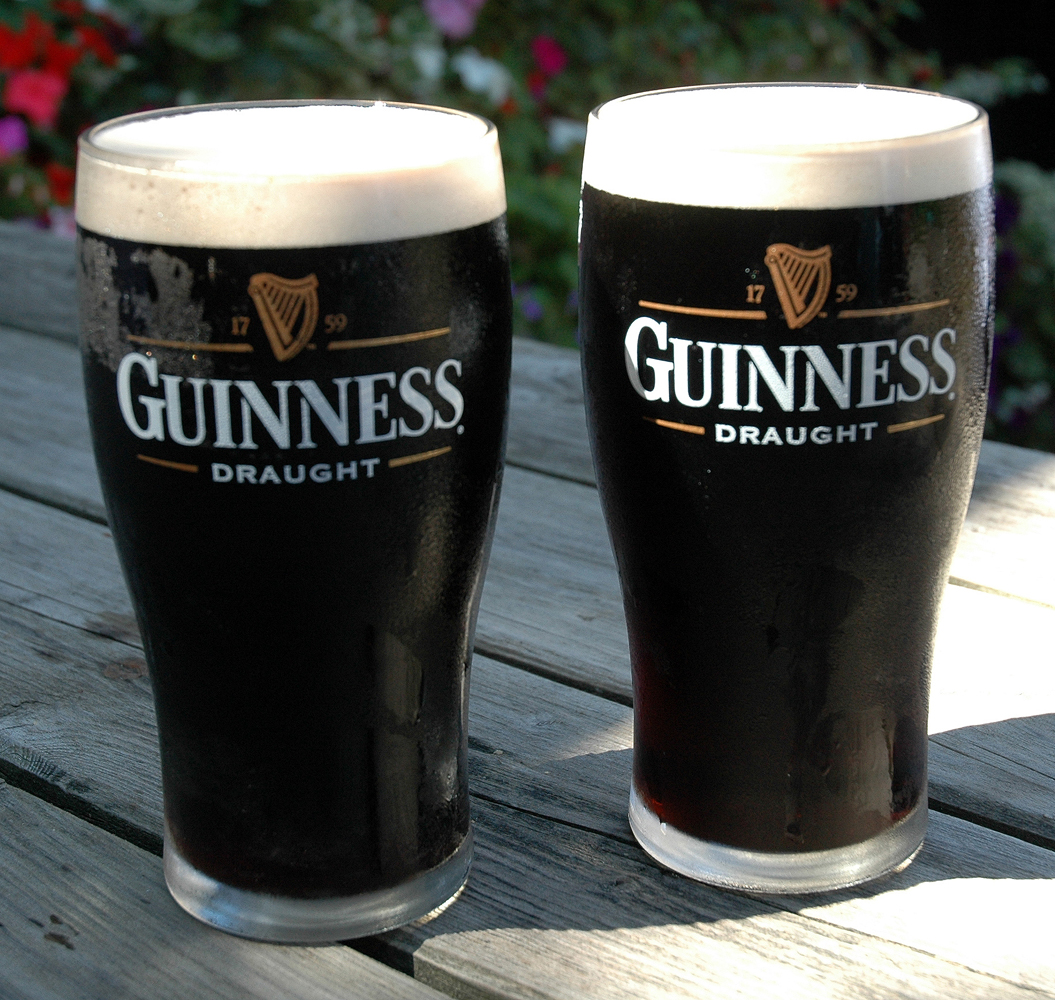 GuinnessVegan
🇮🇪 Ireland and 5 moreA dark Irish stout with a creamy head and dry, roasted flavour
Drink
GuinnessVegan
🇮🇪 Ireland and 5 moreA dark Irish stout with a creamy head and dry, roasted flavour
Drink