
Chicha
A traditional Latin American drink made by fermenting maize or other plants
Chicha is a beverage from Latin America, especially the Andes and Amazon regions, made by fermenting maize or other local plants. It can be alcoholic or non-alcoholic, with many regional versions using ingredients like cassava, quinoa, or fruit. Chicha is often linked to festivals, rituals, and everyday life across countries such as Peru, Bolivia, Colombia, and Chile.
- Chicha can be alcoholic or non-alcoholic, depending on how it's made
- Maize is the main ingredient, but cassava, fruit, and other plants are also used
- Women are traditionally the main makers and sellers of chicha
- Chicha has ceremonial and festive roles in Andean cultures
- There are many regional varieties across Latin America
What is Chicha?
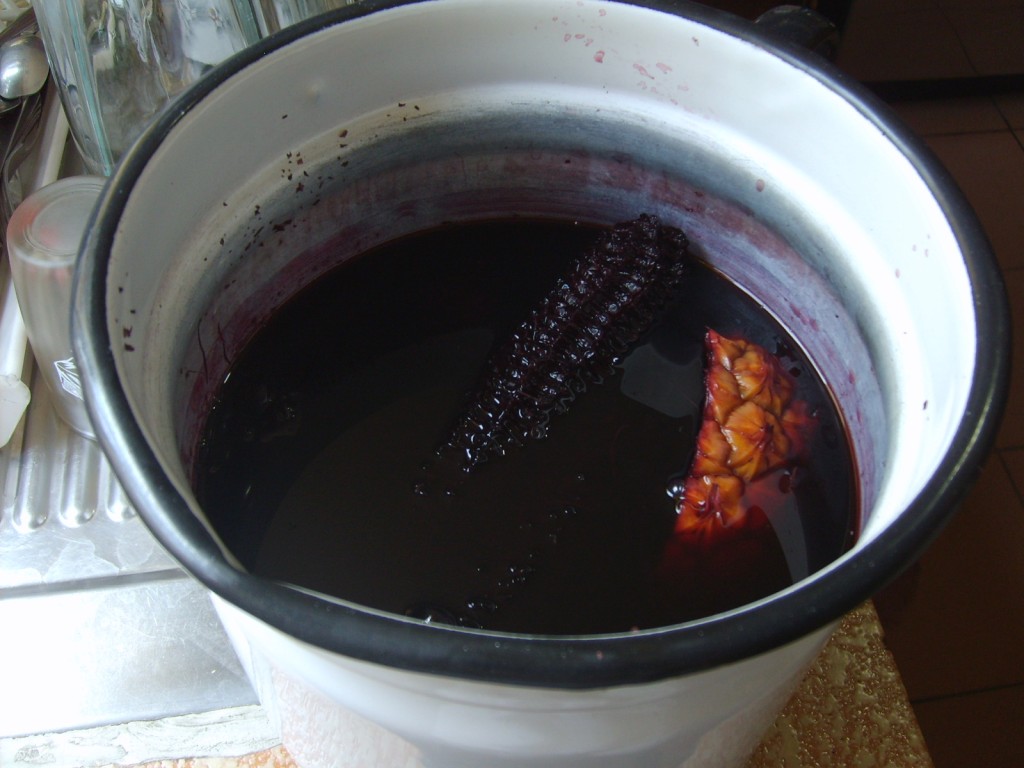
Chicha is a drink with deep roots in Latin America, especially in the Andes and Amazon. Its most common form is a fermented beverage made from maize (corn), but it can also be made from cassava, quinoa, manioc, various fruits, and other local plants. The drink ranges from mildly alcoholic to non-alcoholic, depending on the method and region. Chicha can appear cloudy or brightly colored, especially when made with purple maize or fruit. Its taste varies widely: some versions are sweet and fruity, others are sour or earthy.
Where does Chicha come from?
Chicha has been prepared for thousands of years in the Andes and Amazonia. It played a central role in the Inca Empire, where it was used in ceremonies and rituals. The word 'chicha' may come from several indigenous languages, including Taino, Guna, or Nahuatl, all relating to maize or fermented drinks. Spanish colonists used 'chicha' as a general term for native fermented beverages. Over time, chicha spread across many countries, each developing its own traditions and recipes.
How is Chicha made?
The most traditional chicha, chicha de jora, is made by germinating maize to release sugars, boiling the mixture, and fermenting it for several days in large clay vessels. Some regions use other plants like cassava or fruit. In some cultures, the starch is broken down by chewing the grains and using saliva enzymes before fermentation. Non-alcoholic versions, like chicha morada, are made by boiling purple maize with fruit and spices, then sweetening and serving cold. The process and ingredients vary widely by region.


How and when is Chicha eaten?
Chicha is drunk at festivals, religious ceremonies, and social gatherings, as well as in daily life. It is often served in large glasses or traditional vessels, sometimes straight from the brewing vat. In some places, it is offered to guests as a sign of hospitality. Non-alcoholic chicha is a common refreshment, while stronger versions are reserved for adults or special occasions. In some regions, chicha is also used as an ingredient in local dishes.
Kinds of Chicha
There are many regional types of chicha. In the Andes, maize-based chicha is most common, but in the Amazon, cassava or plantain is used. Chicha morada, made from purple maize and fruit, is popular in Peru and Bolivia. In Chile, chicha can be made from apples or grapes. In Colombia, chicha is often made with panela and maize, while in El Salvador pineapple is added. Some versions are alcoholic, others are not, and each region has its own customs and flavors.
What Chicha means
Chicha is deeply woven into the social and ritual life of many Latin American communities. It has been used in harvest celebrations, religious offerings, and as a symbol of hospitality. In the Inca Empire, chicha was associated with status and power, and drinking it together could seal alliances. Women have traditionally held the main role in making and selling chicha, giving them social and economic influence. Festivals, such as the Yamor in Ecuador, celebrate chicha's cultural importance.
Questions people ask about Chicha
What is chicha made of?
Chicha is most often made from maize (corn), but can also use cassava, quinoa, fruit, manioc, rice, potato, oca, chañar, or peanuts, depending on the region.
Where does chicha come from?
Chicha comes from Latin America, especially the Andes and Amazon regions, with strong traditions in countries like Peru, Bolivia, Colombia, and Chile.
Is chicha always alcoholic?
No, chicha can be either fermented (alcoholic) or non-fermented (non-alcoholic), depending on the recipe and local custom.
How is chicha traditionally made?
Traditional chicha is made by germinating maize, boiling it, and fermenting it in large clay vessels. Some regions use other plants or even chew the grains to aid fermentation.
When is chicha usually drunk?
Chicha is drunk at festivals, religious ceremonies, harvest celebrations, and as a daily refreshment. Its use and strength vary by region and occasion.
Good reading and sources
The facts on this page come from the Wikipedia article "Chicha", written by its contributors and used under the CC BY-SA 4.0 licence, and from its Wikidata record (CC0). Thali rewrote the text in its own words, with AI assistance, and compares every page with the article to make sure no passage is copied. It may be reused under the same CC BY-SA 4.0 licence with a link back.
It may contain mistakes, and it is not dietary or allergy advice: recipes differ from cook to cook. If something is wrong, tell us. Last refreshed 2026-10-03.
More from Peru
All the food of Peru Mojito
🇨🇺 Cuba and 5 moreCuban cocktail of white rum, lime, mint, sugar and soda water over ice
Drink
Mojito
🇨🇺 Cuba and 5 moreCuban cocktail of white rum, lime, mint, sugar and soda water over ice
Drink
 Eggnog
🇺🇸 United States and 5 moreA creamy, sweet drink of milk, eggs, sugar and spirits, served at Christmas
Drink, Snacks
Eggnog
🇺🇸 United States and 5 moreA creamy, sweet drink of milk, eggs, sugar and spirits, served at Christmas
Drink, Snacks
 Pisco Sour
🇵🇪 Peru and 1 moreA shaken cocktail of pisco, citrus, syrup, and egg white from Peru
Drink, Snacks
Pisco Sour
🇵🇪 Peru and 1 moreA shaken cocktail of pisco, citrus, syrup, and egg white from Peru
Drink, Snacks
 AguapanelaVegan
🇨🇴 Colombia and 6 moreSweet drink made by dissolving panela (unrefined cane sugar) in water
Drink
AguapanelaVegan
🇨🇴 Colombia and 6 moreSweet drink made by dissolving panela (unrefined cane sugar) in water
Drink
Its cousins elsewhere
All drinks Lei chaVegan擂茶
🇨🇳 China and 3 moreA Hakka tea-based drink or soup made with ground tea, nuts, seeds and grains
Drink
Lei chaVegan擂茶
🇨🇳 China and 3 moreA Hakka tea-based drink or soup made with ground tea, nuts, seeds and grains
Drink
 SojuVegan소주
🇰🇷 South Korea and 3 moreClear Korean spirit distilled from grains or starches, usually enjoyed neat
Drink
SojuVegan소주
🇰🇷 South Korea and 3 moreClear Korean spirit distilled from grains or starches, usually enjoyed neat
Drink
 MazamorraKaguyjy
🇪🇸 Spain and 10 moreTraditional corn-based dessert or drink found across Spain and Latin America
Drink, Breakfast, Lunch
MazamorraKaguyjy
🇪🇸 Spain and 10 moreTraditional corn-based dessert or drink found across Spain and Latin America
Drink, Breakfast, Lunch
 VodkaVeganwódka
🇷🇺 Russia and 5 moreA clear spirit distilled from grains or potatoes, known for its neutral taste
Drink
VodkaVeganwódka
🇷🇺 Russia and 5 moreA clear spirit distilled from grains or potatoes, known for its neutral taste
Drink