Soup
Liquid dish cooked by simmering meat, vegetables, or grains in broth or milk
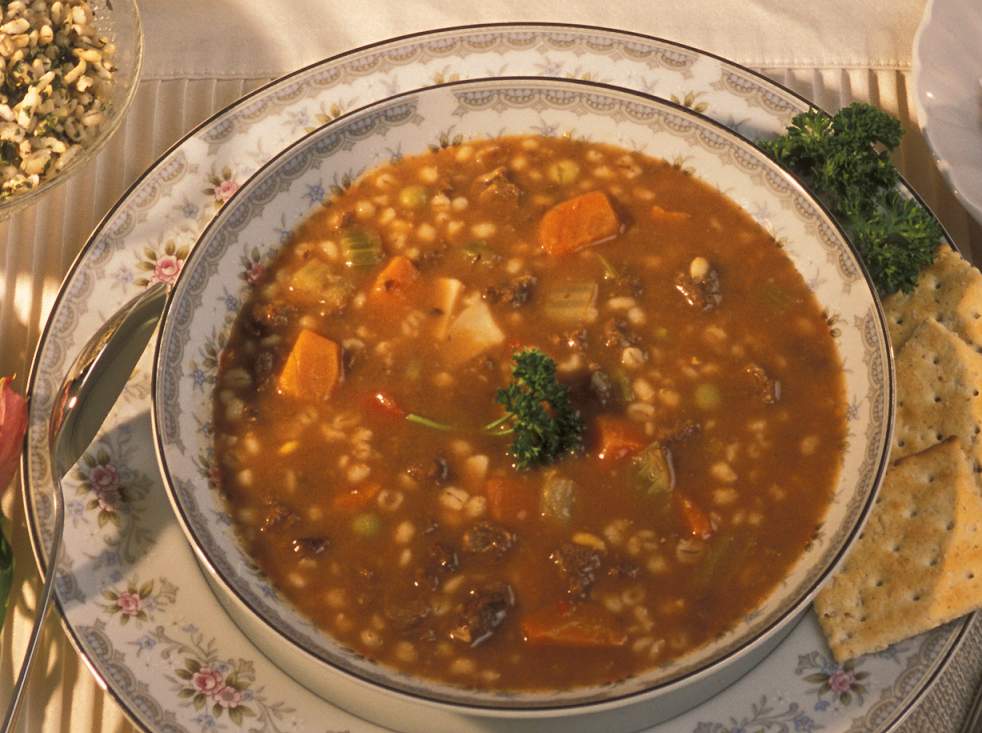
Soup is a versatile liquid dish prepared across the globe by simmering meats, vegetables, or grains in water, stock, or milk. Eaten hot or chilled for breakfast, dinner, or as a restorative late-night snack, it ranges from clear, delicate broths to hearty bowls that nourish peasant households and banquet guests alike.
- The word soup stems from early terms for bread soaked in savoury cooking liquid.
- Archaeologists have found traces of prehistoric bone broths in ancient Egypt and China.
- In Asian households, soup frequently forms part of breakfast rather than only dinner.
- Charitable soup kitchens arose in the sixteenth century to provide hot meals for the needy.
What is Soup?
Soup is a predominantly liquid savoury or sweet dish created by blending or simmering meats, produce, grains, or legumes with broth, milk, or plain water. Its body spans a wide spectrum, stretching from faint, translucent broths to thick, hearty mixtures that almost resemble stews. The Oxford Companion to Food notes that it serves as an umbrella category for savoury liquids, taking in consommés, bisques, and potages. Unlike sauces, which Harold McGee explains are intense seasonings used to accent other foods, soup carries a lighter seasoning profile that allows someone to eat it as a standalone course. It can arrive steaming warm or chilled.
Where does Soup come from?
Broths rank among humanity's earliest culinary innovations, arising once people discovered methods to simmer liquids inside animal skins or tightly woven baskets. Some scholars trace bone-based broths back to Neanderthal groups, with archaeological traces uncovered across ancient Egypt and northern China. Earliest mixtures combined wild grains and herbs. Imperial Roman manuscripts gathered numerous vegetable broths, while fourteenth-century German and French cooking manuals recorded recipes relying on beer, leeks, or poultry boiled with garlic and saffron. The English word originates from medieval terms for dry bread soaked in liquid, an arrangement that slowly gave its name to the simmering broth itself.
How is Soup made?
Cooks prepare soup by infusing water, stock, or milk with varied solid ingredients. Meat cuts, poultry bones, seafood, legumes, and chopped vegetables simmer slowly to release their natural juices and flavours into the surrounding liquid. Aromatics, herbs, and spices add depth during cooking. Some styles rely on simple clear broths skimmed of impurities, whereas others introduce crushed grains, fermented pastes, flour, or dairy to thicken the pot. Certain culinary customs also feature starch bases, steeping torn loaves directly in the bowl or topping the surface with bread rounds and melting cheeses.


How and when is Soup eaten?
Soup fits many table settings and hours of the day. In parts of Asia, thin broths and miso bowls regularly appear at morning breakfast or cap off formal banquets, frequently sipped right from the bowl without utensils. European dining traditions often serve soup as the first course of a multi-dish meal. In nineteenth-century Paris, market workers and late-night revellers gathered at street counters for steaming bowls of onion soup baked under cheese. For rural communities throughout history, dense pots served with dark rye bread constituted an entire sustaining meal.
Kinds of Soup
Preparations differ radically between traditions. Eastern cuisines craft clear noodle broths like Vietnamese pho, herbal chicken soups, and pungent bowls such as Thai tom yum kung or Indian rasam. Japanese miso draws savoury depth from fermented bean paste and seaweed stock. In Europe, varieties extend from Italian minestrone and Finnish summer vegetable bowls to heavy split pea soups enriched with pork. Warm climates feature refreshing chilled options, including Bulgarian and Persian bowls blended from fresh cucumbers, mint, and strained yoghurt.
What Soup means
Beyond everyday nourishment, soup holds deep social importance. Sixteenth-century Middle Eastern towns established charitable kitchens offering free hot bowls to those in need, an initiative later mirrored across Europe and North America during industrial crises and famines. Chinese medicinal traditions historically prescribed steamed rice soups to treat physical ailments. From French onion bowls uniting market workers with theatregoers to community kitchens sustaining the unemployed, soup has long stood as an accessible source of comfort and survival.
Questions people ask about Soup
What is soup made of?
Soup consists primarily of liquid, usually water, stock, or milk, simmered with meats, vegetables, grains, or beans. Cooks season it with herbs and spices, and some traditions incorporate bread, noodles, or fermented pastes like miso.
Where does soup come from?
Soup has prehistoric roots, emerging globally when early humans learned to boil liquids using skins or woven containers. Ancient Egyptian, Chinese, and Roman kitchens all documented early versions, starting with simple herb and grain mixtures.
Can soup be served cold?
Yes. While soup is commonly eaten hot or warm, many cultures prepare chilled versions. Examples include Bulgarian tarator and Persian mast-o khiar, both crafted from cool yoghurt, cucumber, and herbs for refreshing hot-weather dining.
How does soup differ from a stew or sauce?
Soups have a higher proportion of liquid than stews, though hearty varieties blur the boundary. Unlike sauces, which provide concentrated flavour accents for other dishes, soups are moderately seasoned so they can be consumed on their own.
Good reading and sources
The facts on this page come from the Wikipedia article "Soup", written by its contributors and used under the CC BY-SA 4.0 licence, and from its Wikidata record (CC0). EveryThali rewrote the text in its own words, with AI assistance, and compares every page with the article to make sure no passage is copied. It may be reused under the same CC BY-SA 4.0 licence with a link back.
It may contain mistakes, and it is not dietary or allergy advice: recipes differ from cook to cook. If something is wrong, tell us. Last refreshed 2026-10-04.
More from China
All the food of China RamenMeatラーメン
🇯🇵 Japan and 1 moreJapanese noodle soup with Chinese-style wheat noodles in hot broth
Soup, Lunch, Dinner
RamenMeatラーメン
🇯🇵 Japan and 1 moreJapanese noodle soup with Chinese-style wheat noodles in hot broth
Soup, Lunch, Dinner
 Lei chaVegan擂茶
🇨🇳 China and 3 moreA Hakka tea-based drink or soup made with ground tea, nuts, seeds and grains
Drink
Lei chaVegan擂茶
🇨🇳 China and 3 moreA Hakka tea-based drink or soup made with ground tea, nuts, seeds and grains
Drink
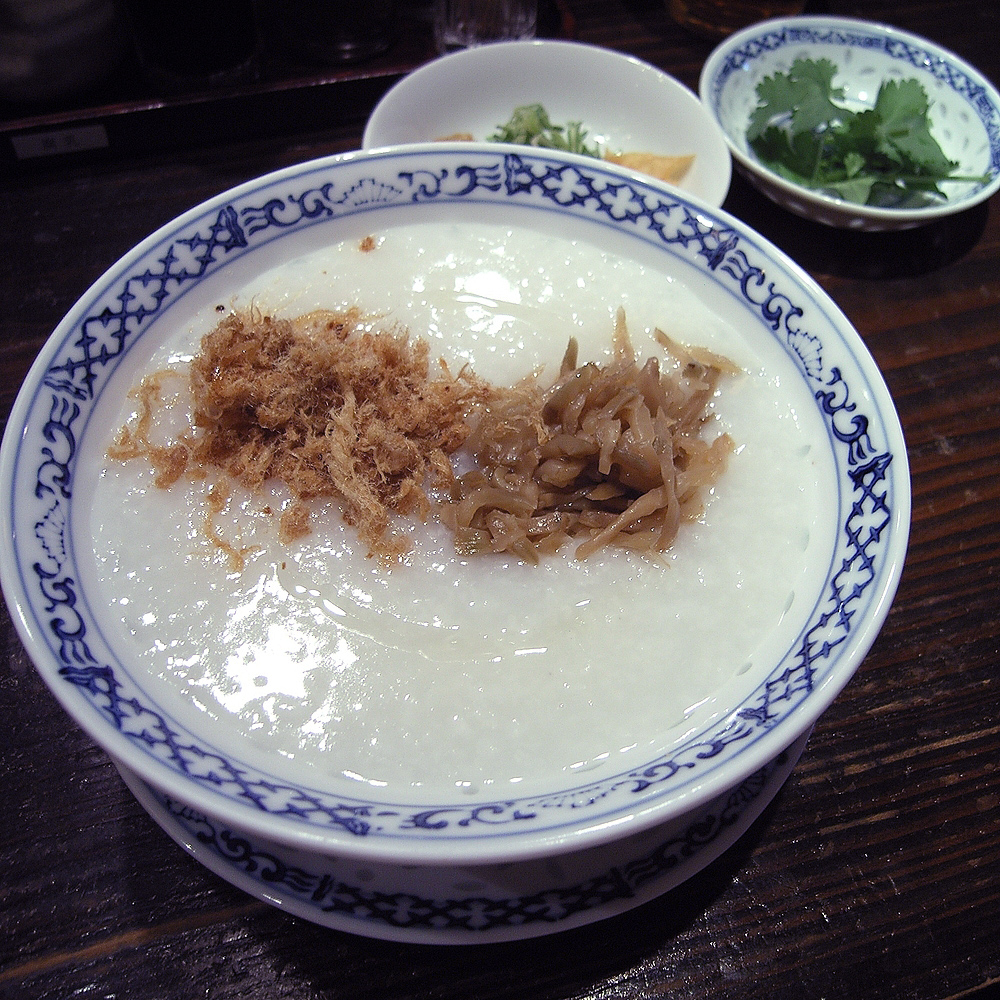 Congee粥
🇨🇳 China and 5 moreRice simmered in water to make a soft, comforting porridge
Main dish, Breakfast, Dinner
Congee粥
🇨🇳 China and 5 moreRice simmered in water to make a soft, comforting porridge
Main dish, Breakfast, Dinner
 Chicken soupMeat
🇺🇸 United States and 4 moreA hot soup of chicken simmered with vegetables, noodles or grains
Soup, Lunch, Dinner
Chicken soupMeat
🇺🇸 United States and 4 moreA hot soup of chicken simmered with vegetables, noodles or grains
Soup, Lunch, Dinner
Its cousins elsewhere
All soups Chorba
🇩🇿 Algeria and 5 moreA family of hearty soups and stews found from North Africa to Central Asia
Soup
Chorba
🇩🇿 Algeria and 5 moreA family of hearty soups and stews found from North Africa to Central Asia
Soup
 Chupe
🇵🇪 Peru and 2 moreA hearty South American stew of meat or seafood, potatoes or yuca, and vegetables
Stew or curry, Lunch, Dinner
Chupe
🇵🇪 Peru and 2 moreA hearty South American stew of meat or seafood, potatoes or yuca, and vegetables
Stew or curry, Lunch, Dinner
 Maraqمرق
🇸🇴 Somalia and 3 moreSomali and Arabian meat or vegetable soup served with rice or bread
Soup, Lunch, Dinner
Maraqمرق
🇸🇴 Somalia and 3 moreSomali and Arabian meat or vegetable soup served with rice or bread
Soup, Lunch, Dinner
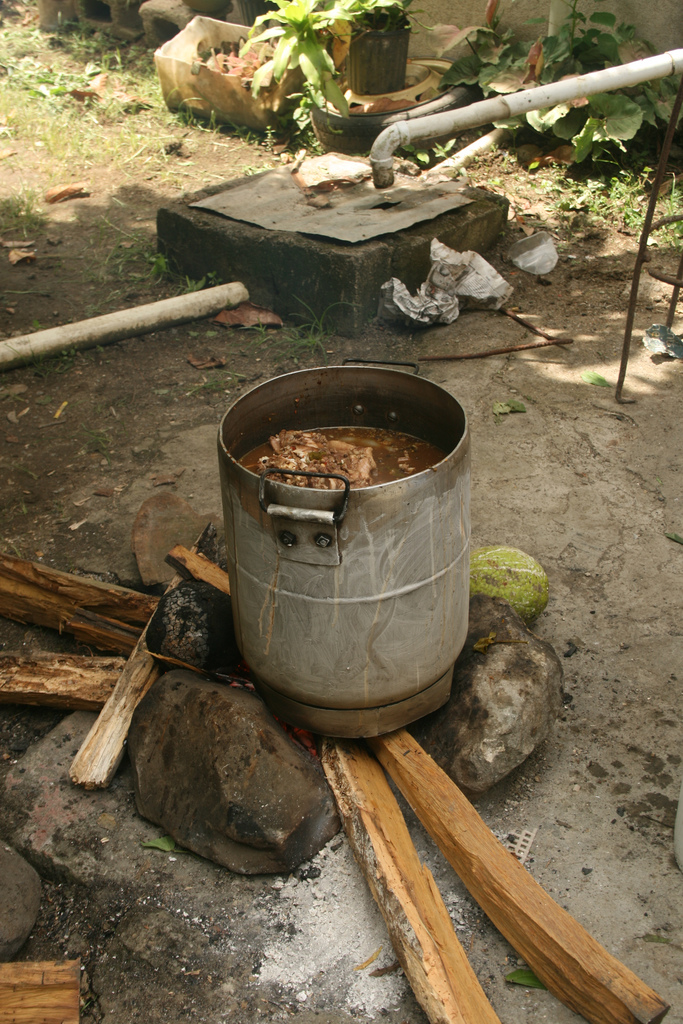 Mannish waterMeat
🇯🇲 JamaicaJamaican goat soup with yam, banana, and dumplings
Soup, Lunch, Dinner
Mannish waterMeat
🇯🇲 JamaicaJamaican goat soup with yam, banana, and dumplings
Soup, Lunch, Dinner