
Tsukemono
In its own language: 漬物
Japanese vegetables preserved in salt, brine, or rice bran
Tsukemono are vegetables from Japan that have been preserved using salt, brine, or rice bran. They are eaten as side dishes, snacks, or garnishes, and are a regular part of Japanese meals and tea ceremonies. Common types include pickled daikon, plum, cucumber, and ginger.
- Tsukemono means 'pickled things' in Japanese.
- Common vegetables used include daikon, cucumber, and plum.
- Pickle presses use heavy stones or screw mechanisms for pressure.
- Served as side dishes, snacks, or garnishes in Japanese meals.
- Some types are ready quickly, while others take longer to mature.
What is Tsukemono?
Tsukemono are Japanese vegetables kept for later use by soaking them in salt, brine, or a layer of rice bran. The vegetables can include daikon radish, cucumber, Chinese cabbage, turnip, ginger, and plums. The result is a range of pickles that can be crisp, tangy, salty, or slightly sweet, depending on the method and ingredients. Some types are brightly colored, while others remain pale and subtle. They are often served in small portions to add contrast and flavor to a meal.
Where does Tsukemono come from?
Tsukemono have long been part of Japanese cooking, with the practice of preserving vegetables dating back centuries. The names for these pickles, such as konomono and oshinko, refer to their aroma and freshness. Over time, the methods and tools for making tsukemono have evolved, but the basic idea of using salt and pressure to keep vegetables has stayed the same. Some varieties are linked to specific regions, like Matsumaezuke from Hokkaidō and nozawana from Nagano.
How is Tsukemono made?
To prepare tsukemono, vegetables are placed in a container with salt or another preserving mixture. A weight, often a heavy stone or a screw-press, is used to press down on the vegetables, helping them release liquid and absorb the flavors. Traditional pickle presses can be made from materials like wood, ceramic, or plastic. Some pickles are ready in a short time, while others take longer to develop their taste and texture. The process can also involve rice bran or vinegar, depending on the type.


![漬物 屋( 京都 中京区 錦小路通 柳馬場 西入ル中魚屋町484、 錦市場 の漬物屋「打田漬物」 [1] 錦小路店 [2] )](https://thumb.wikimedia.org/wikipedia/commons/thumb/d/d2/Tsukemono_shop_by_One_man%27s_perspective_in_Nishiki_Ichiba%2C_Kyoto.jpg/960px-Tsukemono_shop_by_One_man%27s_perspective_in_Nishiki_Ichiba%2C_Kyoto.jpg)

How and when is Tsukemono eaten?
Tsukemono are eaten throughout the day in Japan, often as a side dish with rice or as a snack with drinks. They can also be used as a garnish for dishes like okonomiyaki, takoyaki, or curry. In formal meals such as kaiseki or during tea ceremonies, tsukemono are served as one of several courses. Some types, like gari (pickled ginger), are eaten between bites of sushi to refresh the palate.
Kinds of Tsukemono
There are many types of tsukemono, each with its own ingredients and flavors. Takuan is made from daikon radish, umeboshi from plums, and fukujinzuke combines several vegetables with soy sauce. Some, like rakkyōzuke, use vinegar and mirin for a mild and slightly sweet taste. Regional specialties include bettarazuke in Tokyo and matsumaezuke in Hokkaidō, which can include seafood and seaweed.
What Tsukemono means
Tsukemono are a daily part of Japanese meals and also appear in special settings like tea ceremonies. The names and styles reflect local traditions and language. In international trade, they are classified as preserved vegetables rather than pickles, which affects how they are taxed. Their presence at the table adds color, flavor, and a sense of tradition to Japanese cuisine.
Questions people ask about Tsukemono
What are tsukemono made of?
Tsukemono are made from vegetables such as daikon radish, cucumber, turnip, Chinese cabbage, ginger, and plums. They are preserved using salt, brine, or rice bran, and sometimes with vinegar or soy sauce.
Where do tsukemono come from?
Tsukemono originate from Japan and have been part of Japanese cuisine for centuries. Different regions in Japan have their own special types and methods for making these pickles.
How are tsukemono usually eaten?
They are served as side dishes with rice, as snacks with drinks, or as garnishes for various Japanese foods. Tsukemono are also part of formal meals and tea ceremonies.
Are tsukemono vegan or vegetarian?
Most tsukemono are vegan, as they are made from vegetables and plant-based preserving agents like salt, rice bran, or vinegar. Some regional varieties may include seafood.
What tools are used to make tsukemono?
A pickling container and a weight, such as a heavy stone or a screw-press, are used to press the vegetables and help them absorb the preserving flavors.
Good reading and sources
The facts on this page come from the Wikipedia article "Tsukemono", written by its contributors and used under the CC BY-SA 4.0 licence, and from its Wikidata record (CC0). Thali rewrote the text in its own words, with AI assistance, and compares every page with the article to make sure no passage is copied. It may be reused under the same CC BY-SA 4.0 licence with a link back.
It may contain mistakes, and it is not dietary or allergy advice: recipes differ from cook to cook. If something is wrong, tell us. Last refreshed 2026-10-03.
More from Japan
All the food of Japan Potato saladVegetarianKartoffelsalat
🇦🇹 Austria and 5 moreBoiled potatoes mixed with dressing, herbs, and vegetables, served cold or warm
Salad or side, Lunch, Dinner
Potato saladVegetarianKartoffelsalat
🇦🇹 Austria and 5 moreBoiled potatoes mixed with dressing, herbs, and vegetables, served cold or warm
Salad or side, Lunch, Dinner
 NattoVegan納豆
🇯🇵 JapanSticky, fermented soybeans often eaten with rice at breakfast in Japan
Main dish, Breakfast, Lunch
NattoVegan納豆
🇯🇵 JapanSticky, fermented soybeans often eaten with rice at breakfast in Japan
Main dish, Breakfast, Lunch
 UmeboshiVegan梅干し
🇯🇵 JapanSour, salty pickled ume fruit from Japan, often served with rice
Sauce, pickle or ferment, Breakfast, Lunch
UmeboshiVegan梅干し
🇯🇵 JapanSour, salty pickled ume fruit from Japan, often served with rice
Sauce, pickle or ferment, Breakfast, Lunch
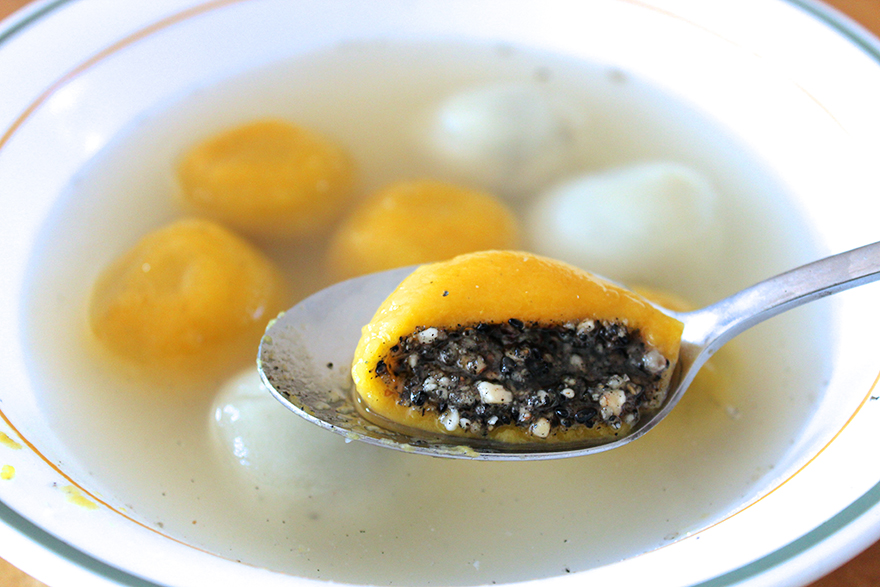 Tangyuan汤圆 / 湯圓
🇨🇳 China and 5 moreGlutinous rice balls, often filled, served in sweet or savory broth
Sweet or dessert, Snacks
Tangyuan汤圆 / 湯圓
🇨🇳 China and 5 moreGlutinous rice balls, often filled, served in sweet or savory broth
Sweet or dessert, Snacks
Its cousins elsewhere
All sauces, pickles and ferments Pickled cucumberVegan
🇺🇸 United States and 5 moreCucumbers preserved in brine or vinegar, enjoyed worldwide in many styles
Sauce, pickle or ferment, Lunch, Dinner
Pickled cucumberVegan
🇺🇸 United States and 5 moreCucumbers preserved in brine or vinegar, enjoyed worldwide in many styles
Sauce, pickle or ferment, Lunch, Dinner
 SauerkrautVegan
🇩🇪 Germany and 5 moreFinely shredded cabbage preserved by natural fermentation in salt
Sauce, pickle or ferment, Lunch, Dinner
SauerkrautVegan
🇩🇪 Germany and 5 moreFinely shredded cabbage preserved by natural fermentation in salt
Sauce, pickle or ferment, Lunch, Dinner
 GuacamoleVegan
🇲🇽 Mexico and 1 moreAvocado mashed with lime, salt, and herbs, served as a dip or spread
Sauce, pickle or ferment, Snacks, Lunch
GuacamoleVegan
🇲🇽 Mexico and 1 moreAvocado mashed with lime, salt, and herbs, served as a dip or spread
Sauce, pickle or ferment, Snacks, Lunch
 TzatzikiVegetarianτζατζίκι
🇬🇷 Greece and 5 moreStrained yogurt mixed with cucumber, garlic and herbs, served cold as a dip or sauce
Sauce, pickle or ferment, Lunch, Dinner
TzatzikiVegetarianτζατζίκι
🇬🇷 Greece and 5 moreStrained yogurt mixed with cucumber, garlic and herbs, served cold as a dip or sauce
Sauce, pickle or ferment, Lunch, Dinner